Trinidad vs Jamaica: Who will win International Reparation Debate finals?

/ Our Today
administrator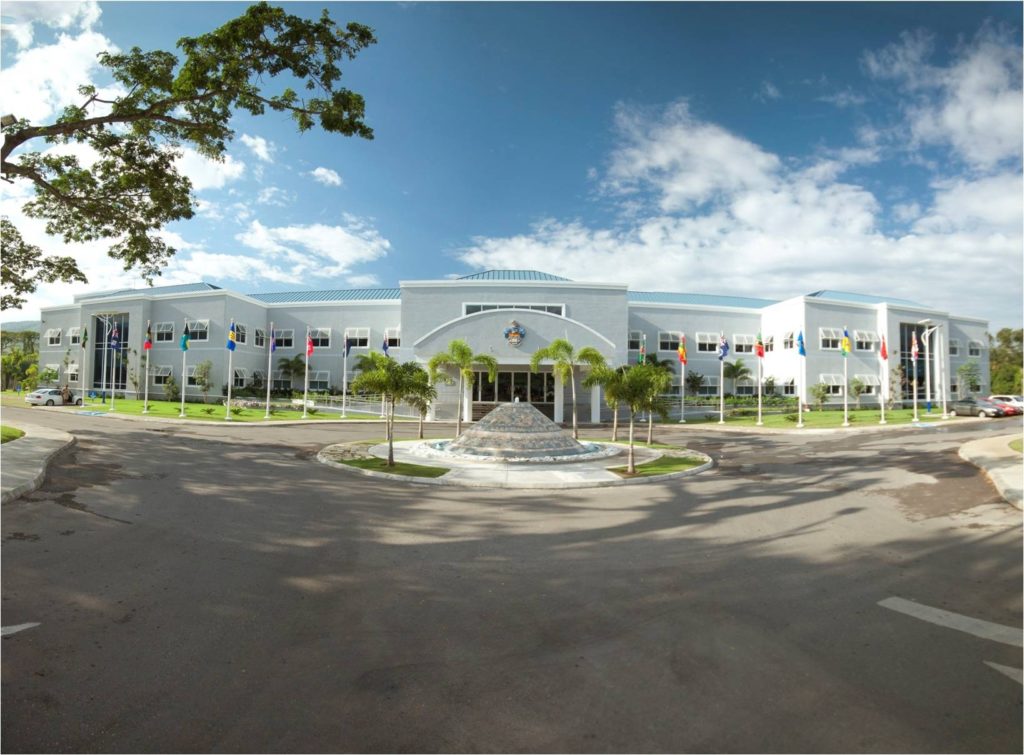
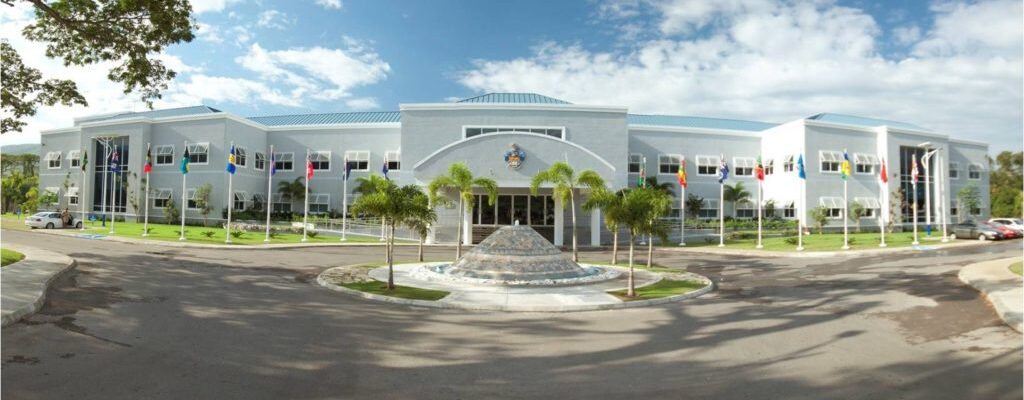
After weeks of fiery debate and nail-biting matchups, the grand finals of the International Reparation Debate Competition will take place today (April 25) at the UWI Regional headquarters in St Andrew.
Vying for the championship title and grand prizes valued at US$5,000 are Julianne Solomon, a student of St. Joseph’s Convent in Trinidad and Jamaica’s Davion Bradford, a student of Clarendon College.
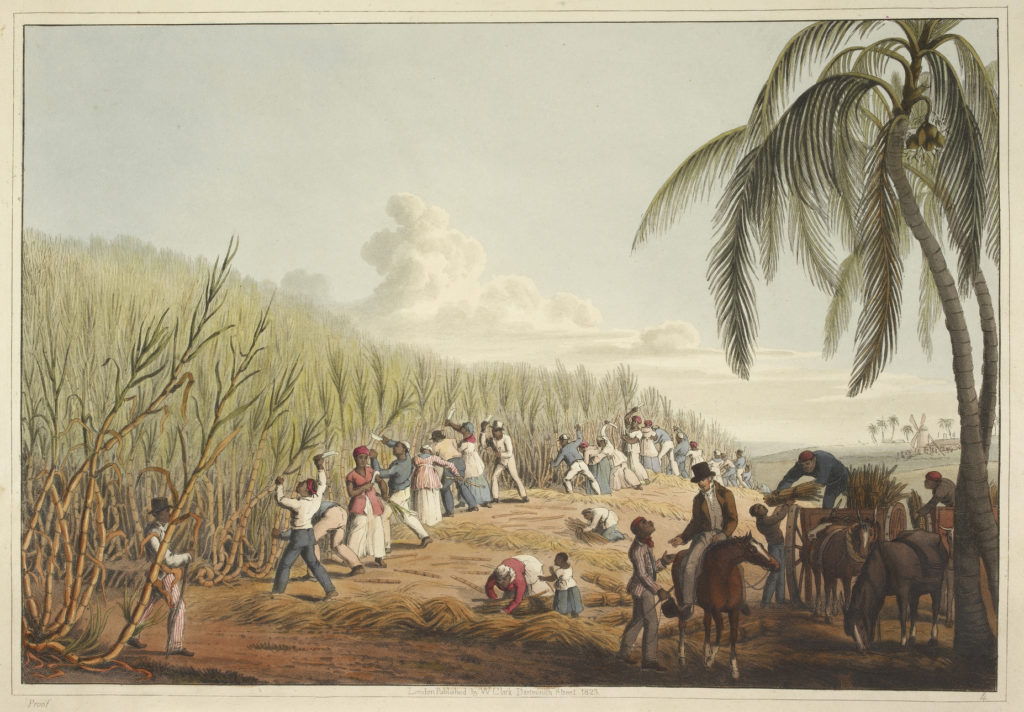
The unprecedented competition brought together 24 secondary schools from across the Caribbean and the United Kingdom, each taking a bold stand on issues surrounding reparatory justice for chattel slavery and colonialism in the Caribbean.
Monetary compensation alone will never be enough to create sustainable long-term wealth, until the economic structures that enforce dependency exploitative lending and financial inequality are dismantled and reformed to ensure true economic sovereignty from former colonies. True justice is not found in payouts, but in systemic change that removes these exploitative economic structures.
— Julianne Solomon, St. Joseph’s Convent, Trinidad and Tobago, finalist in the International Reparation Debate Competition
Schools from Jamaica, Trinidad and Tobago, Guyana, the Bahamas, Curaçao, and the UK engaged in intense heats, quarter-finals, and semi-finals, debating topical and complex questions such as:
- Should descendants of enslavers bear the responsibility of their ancestors for reparation?
- Should reparations be paid through community-based decision-making rather than government action?
- Should CARICOM prioritise economic integration over reparation?
- To what extent should former colonising countries influence the terms and conditions of reparation?
The debates were an inspiring show of youth advocacy and showcased an upcoming generation of critical thinkers committed to shaping a more just and equitable world, with powerful statements such as:
By cancelling Haiti’s foreign debt, we would not only free the country from the shackles of oppression but also acknowledge the historical injustices that have perpetuated poverty and inequality giving Haiti the chance to break free from the cycle of poverty and to forge a new path built on dignity, self-determination and economic sovereignty.
— Davion Bradford, Clarendon College, Jamaica: Finalist in the International Reparation Debate Competition
This finale marks a major milestone in engaging youth in deeper education and advocacy for reparations and justice



Comments