

The Mona campus of the University of the West Indies (UWI) is launching a new course aimed at providing students with a solid foundation in the rapidly growing field of electric mobility.
Beginning in this month of semester two of the academic year 2023-2024, UWI’s Faculty of Science and Technology is offering “Electric Mobility – Fundamentals of EV Technologies” to introduce students to the future of sustainable transportation.
The Department of Physics is piloting the course with funding from the German Federal Ministry for Economic Affairs and Climate Action through its International Climate Initiative.
This is being done in collaboration with the Deutsche Gesellschaft für Internationale Zusammenarbeit through the programme, “Supporting the implementation of NDCs in the Caribbean – transforming the transport and energy sectors towards a low carbon and climate resilient future”.
The course is purposefully designed to immerse students in the extremely relevant and technologically advanced realm of electric mobility.
It is an open elective for all second and third-year UWI students. With the Caribbean, in particular, actively studying ways to reduce the effects of climate change, the introduction of this course is timely and relevant to meeting this ideal.
Course details
With the worldwide imperative to battle climate change and reduce air pollution, the use of electric mobility has arisen as an important component of sustainable practices. Dr Louis-Ray Harris, course coordinator and senior Lecturer in the Department of Physics, has hailed this new course development.
Harris explains, “our goal with Electric Mobility – Fundamentals of EV Technologies (PHYS2800) is to give our students a solid foundation in EV technologies and their implications. As the world evolves towards more sustainable practices, having a solid grasp of electric mobility is critical for our graduates, regardless of their professional prospects.”
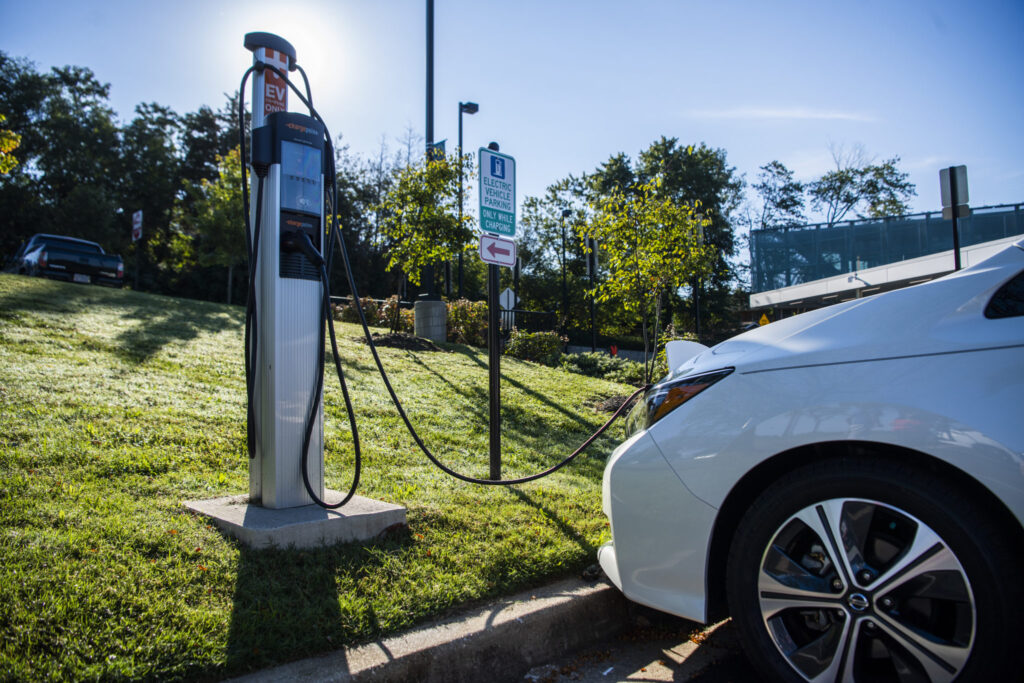
He adds, “this course will be instrumental in preparing them to contribute meaningfully to a more sustainable and technologically advanced future.” The PHYS2800 curriculum covers a wide range of topics including but not limited to, technological advancements in electric mobility, the environmental and societal impact of EVs, strategies and challenges in implementing EV solutions globally, and the application of scientific principles in the design of efficient electric mobility systems.”
The course aims to provide participants with a multifaceted perspective necessary for addressing the challenges and opportunities presented by this evolving industry by investigating the technological underpinnings, environmental implications, economic considerations, and societal impacts of electric vehicles.





Comments