WHO warns of widespread resistance to common antibiotics

/ Our Today
administrator
One in six laboratory-confirmed bacterial infections causing common infections in people worldwide in 2023 were resistant to antibiotic treatments, according to a new World Health Organization (WHO) report launched today (October 13).
Between 2018 and 2023, antibiotic resistance rose in over 40 per cent of the pathogen-antibiotic combinations monitored, with an average annual increase of five–15 per cent.
Data reported to the WHO Global Antimicrobial Resistance and Use Surveillance System (GLASS) from over 100 countries cautions that increasing resistance to essential antibiotics poses a growing threat to global health.
The new global antibiotic resistance surveillance report presents, for the first time, resistance prevalence estimates across 22 antibiotics used to treat infections of the urinary and gastrointestinal tracts, the bloodstream and those used to treat gonorrhoea. The report covers eight common bacterial pathogens – Acinetobacter spp., Escherichia coli, Klebsiella pneumoniae, Neisseria gonorrhoeae, non-typhoidal Salmonella spp., Shigella spp., Staphylococcus aureus and Streptococcus pneumoniae – each linked to one or more of these infections.
What are the risks of antibiotic resistance?
WHO estimates that antibiotic resistance is highest in the WHO South-East Asian and Eastern Mediterranean regions, where one in three reported infections was resistant. In the African region, one in five infections was resistant. Resistance is also more common and worsening in places where health systems lack the capacity to diagnose or treat bacterial pathogens.
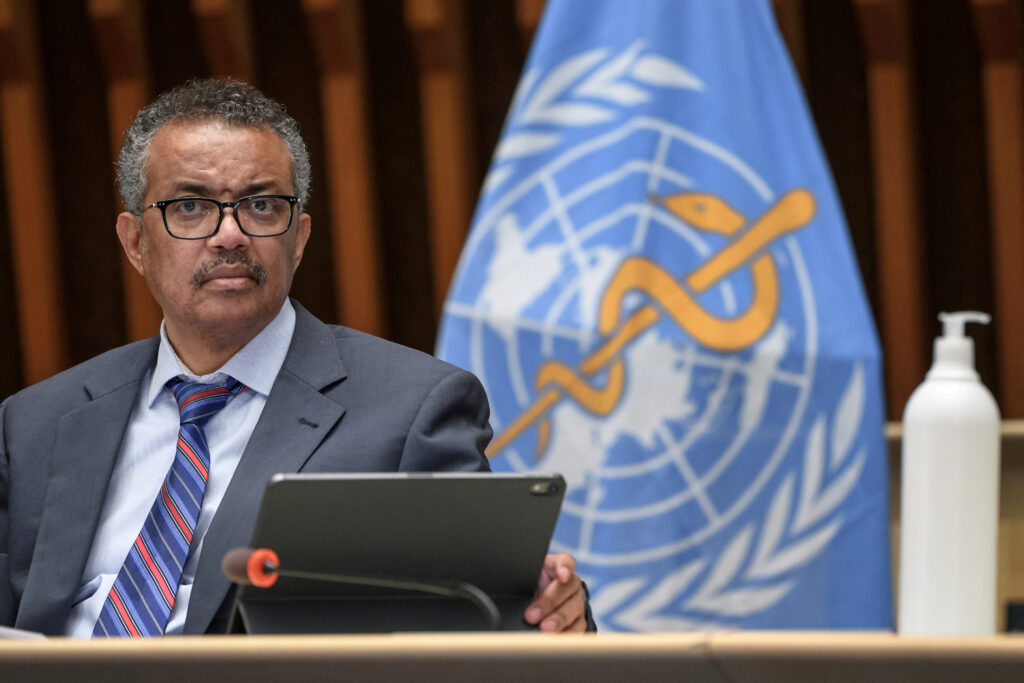
“Antimicrobial resistance is outpacing advances in modern medicine, threatening the health of families worldwide,” said Dr Tedros Adhanom Ghebreyesus, WHO director-general. “As countries strengthen their AMR surveillance systems, we must use antibiotics responsibly and make sure everyone has access to the right medicines, quality-assured diagnostics, and vaccines. Our future also depends on strengthening systems to prevent, diagnose and treat infections and on innovating with next-generation antibiotics and rapid point-of-care molecular tests.”
Gram-negative bacterial pathogens pose greatest threat
The new report notes that drug-resistant gram-negative bacteria are becoming more dangerous worldwide, with the greatest burden falling on countries least equipped to respond.
Among these, E. coli and K. pneumoniae are the leading drug-resistant gram-negative bacteria found in bloodstream infections. These are among the most severe bacterial infections that often result in sepsis, organ failure, and death.
Yet more than 40 per cent of E. coli and over 55 per cent of K. pneumoniae globally are now resistant to third-generation cephalosporins, the first-choice treatment for these infections. In the African region, resistance even exceeds 70 per cent.
Other essential life-saving antibiotics, including carbapenems and fluoroquinolones, are losing effectiveness against E. coli, K. pneumoniae, Salmonella, and Acinetobacter.
Carbapenem resistance, once rare, is becoming more frequent, narrowing treatment options and forcing reliance on last-resort antibiotics. And such antibiotics are costly, difficult to access, and often unavailable in low- and middle-income countries.






Comments