World Rivers Day: No forests, No rivers, No water, No life

/ Our Today
administrator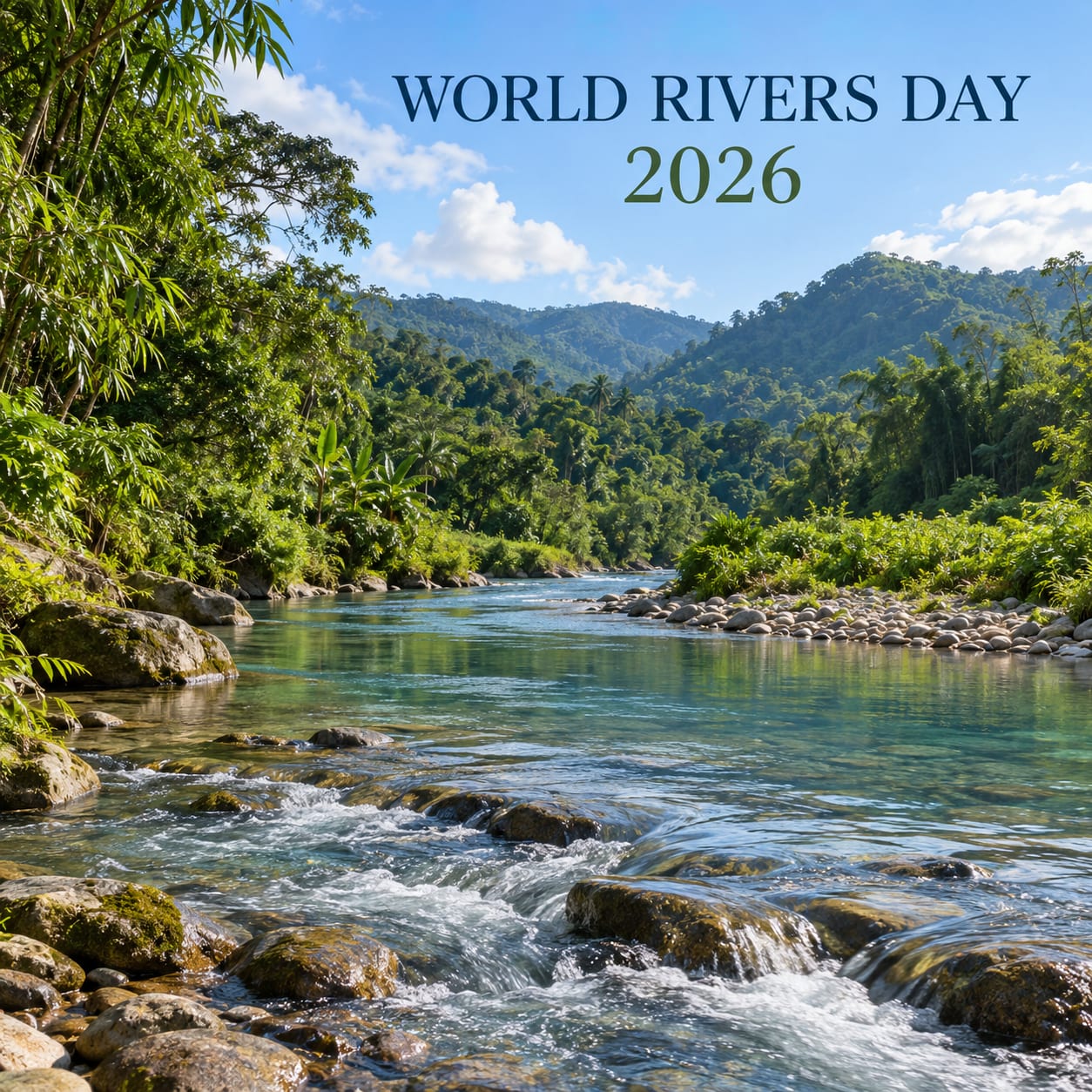
As Jamaica observes World Rivers Day on Sunday, September 27, the Jamaica Environment Trust (JET) is highlighting the connection between healthy forests, healthy rivers and water security, and what ongoing community monitoring is showing about the condition of one of our major rivers, the Rio Cobre. From its headwaters in the Vale of Lluidas as a small stream known as Murmuring Brook, the Rio Cobre flows through St. Catherine before reaching the sea, connecting forests and other parts of its watershed with the communities and ecosystems that depend on it.
The 2026 World Rivers Day theme, “No Forests, No Rivers, No Water, No Life,” is a reminder that rivers do not exist in isolation. Forests and other ecosystems within watersheds help regulate and protect the quality and volume of the water that reaches our rivers.
Through its three-year Rio Cobre Guardians project, funded by the Environmental Foundation of Jamaica, JET has been working with residents and river users to monitor water quality at six locations along the Rio Cobre and its tributaries. Fourteen community members have been trained in basic water quality monitoring, with sampling conducted quarterly and following flooding, fish kills or other incidents of concern.
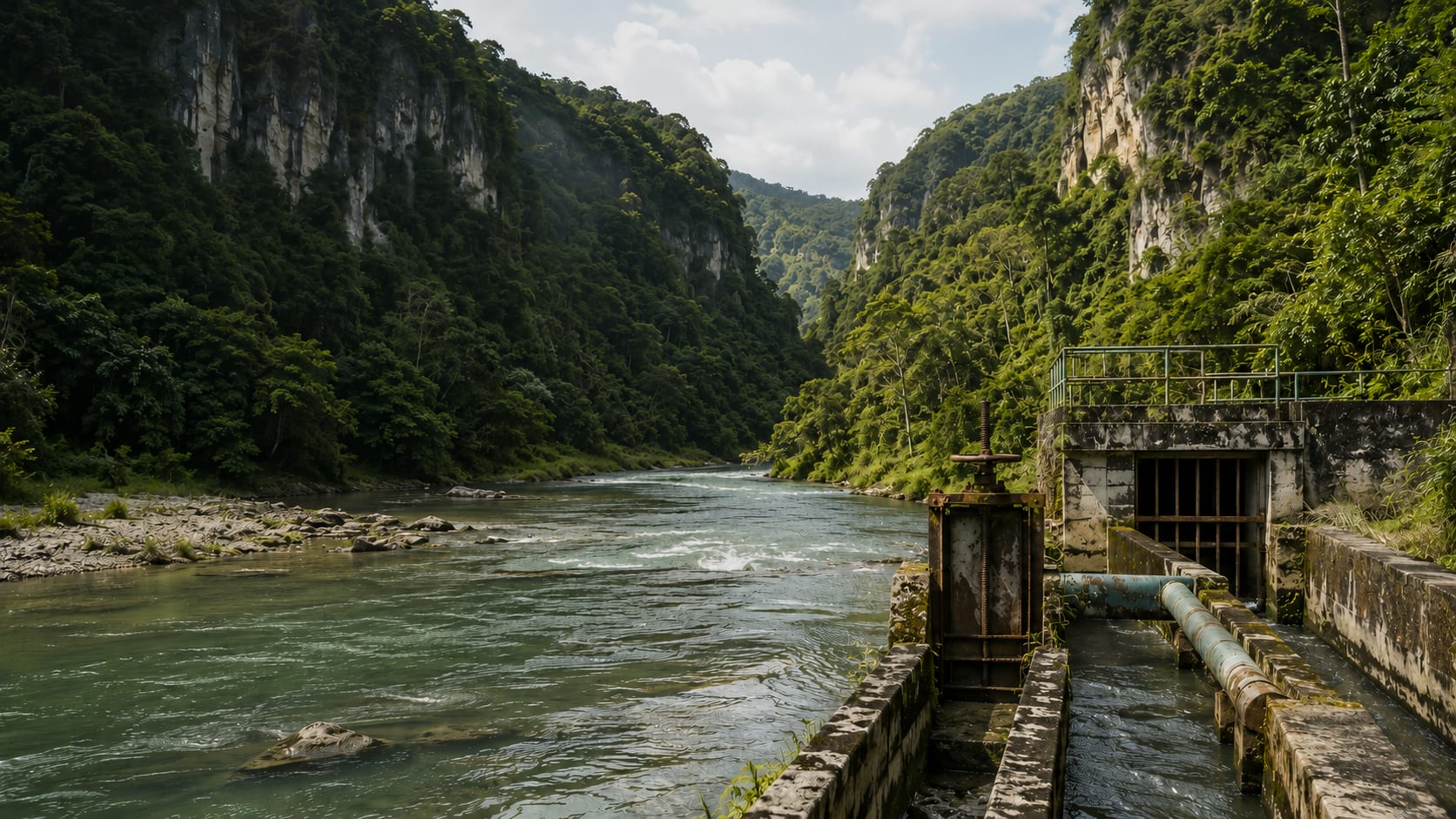
After approximately 18 months of monitoring, persistently elevated sodium and conductivity levels have been recorded at Pleasant Farm Gully near the JPS pumping station and Zephyrton at the downstream end of the Byndloss Gully. These are locations immediately downstream of WINDALCO’s bauxite refining operations. Sodium concentrations at these locations have exceeded the upper limit of the 2025 National Water Quality Standard for fresh water (8 mg/L) by factors of up to 19, with conductivities also exceeding the national standard’s upper limit of 540 uS/cm by factors of up to 2.5. The conductivity data trends clearly follow those for sodium and hence conductivity can be used as an easily measured proxy for sodium.
JET shared its initial findings with the National Environment and Planning Agency (NEPA) in December 2025; similar findings have been observed during subsequent sampling.
“Our results do not, on their own, establish the source of the contamination,” said Dr. Theresa Rodriguez-Moodie, CEO of JET. “But the persistent, elevated readings at monitoring locations immediately downstream of WINDALCO’s operations, compared with our upstream and downstream monitoring locations, warrant investigation. We should not have to wait for another major fish kill before we identify and address the source of the pollution.”
JET’s concerns about the adequacy of monitoring of the Rio Cobre are not new. In June 2023, JET reviewed several years of water quality data collected by the Jamaica Bauxite Institute (JBI) and NEPA and raised concerns about the robustness of the monitoring programme. In response, the Minister of Water, Environment and Climate Change, Hon Matthew Samuda wrote in a letter to JET on July 4, 2023 that “NEPA will, as part of its ongoing review process make required changes to bolster the monitoring programme.” However, more than three years later, JET continues to find elevated sodium and conductivity levels in sections of the river immediately downstream of WINDALCO’s operations.
JET has also raised these findings with the Jamaica Bauxite Institute (JBI), which has noted that the Jamaican freshwater standard used for the above comparisons is voluntary. JET acknowledges the status of the standard used in our analysis. However, the findings are not dependent on that standard alone. NEPA has a draft freshwater quality standard dating from 2009. When JET’s data are assessed against that draft standard, the same trends are evident.
The Rio Cobre is only one river. JET’s community monitoring programme raises a broader question: what is happening in Jamaica’s other rivers, and do we have the monitoring, enforcement and legal framework needed to identify and address pollution?

In March 2024, Prime Minister Andrew Holness instructed NEPA to develop a policy to ban the discharge of waste or effluent into the Rio Cobre. The Prime Minister acknowledged that some facilities currently have permission to discharge to the river and that implementing the policy would require addressing longstanding operations along the river. JET requests an update on the status of this policy and the measures being taken to reduce and ultimately prevent discharges into the river.
“World Rivers Day asks us to think about the whole system – forests, watersheds, rivers and the water that communities depend on,” said Dr. Rodriguez-Moodie. “Protecting our rivers means having the information to understand what is happening in them, the capacity and willingness to enforce the rules when problems are identified, and effective policies and laws to prevent pollution.”
JET is calling on the Government to strengthen national river monitoring, investigate the persistent elevated sodium and conductivity levels identified through the Rio Cobre Guardians project, provide a status update on the proposed policy to prevent waste and effluent discharges into the Rio Cobre and for greater transparency around monitoring and enforcement of all rivers in Jamaica.




Comments