Pamela Redwood | Bullying, Violence and the Lives of Our Students: Jamaica Needs a Reset

/ Our Today
administrator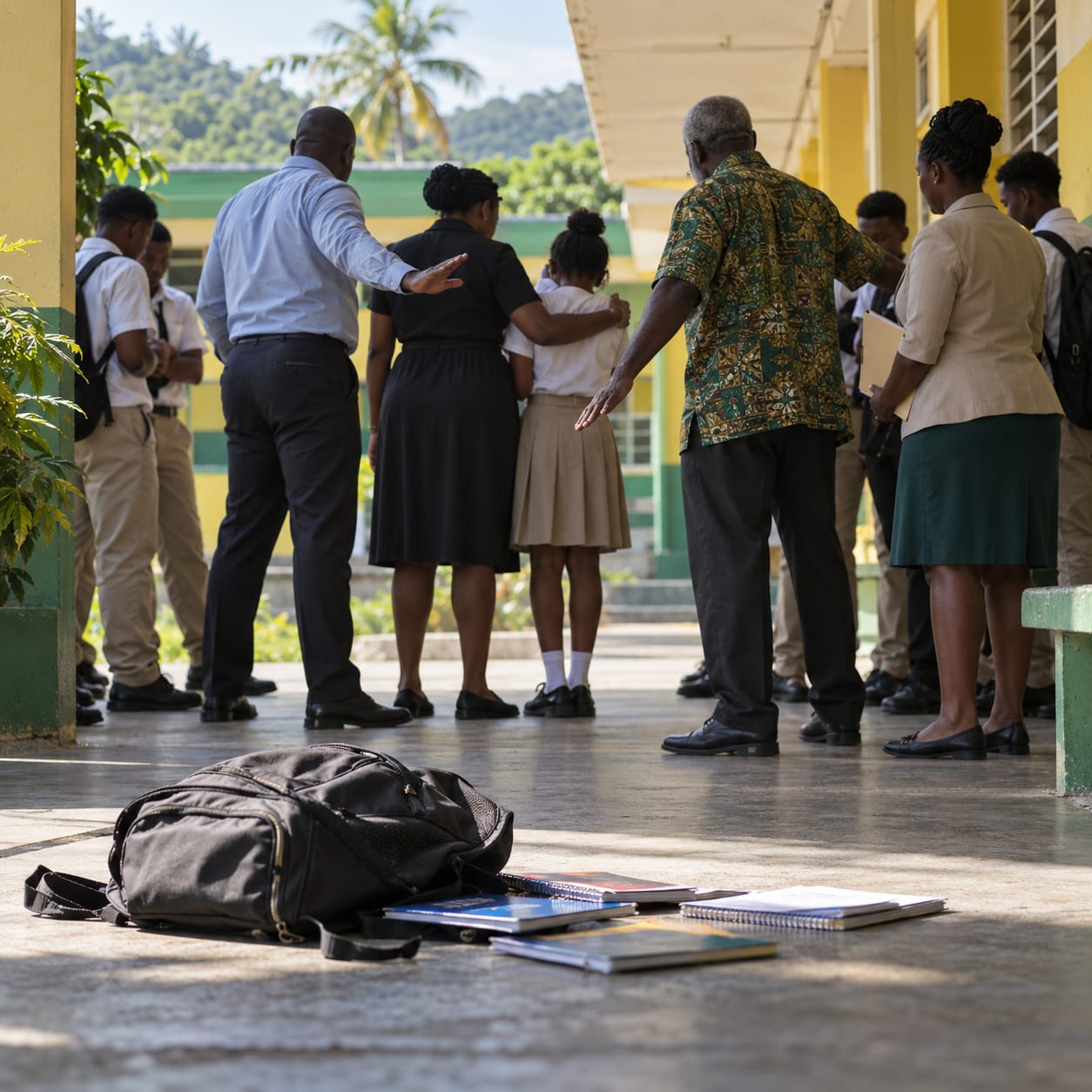
There is a conversation Jamaica urgently needs to have, and it is one that cannot be postponed any longer: bullying, violence and the safety of our students.
No parent wants to receive that phone call.
No parent should ever have to hear that their child has been seriously injured, attacked, or, worse, has lost their life because of violence in or around a school.
Yet, increasingly, we are confronted with stories of bullying, intimidation, fighting and violence among our young people. We cannot continue to treat these incidents as isolated events and simply move on to the next headline. Every incident should force us to ask a deeper question: What is happening to our children, and what have we failed to teach, protect and provide for them?
Jamaica needs a reset.
Our schools need a reset. Our communities need a reset. Our homes need a reset. And, most importantly, the village that was once responsible for raising our children needs to be re-established.
The old saying that it takes a village to raise a child must once again become more than a saying. It must become a national responsibility.
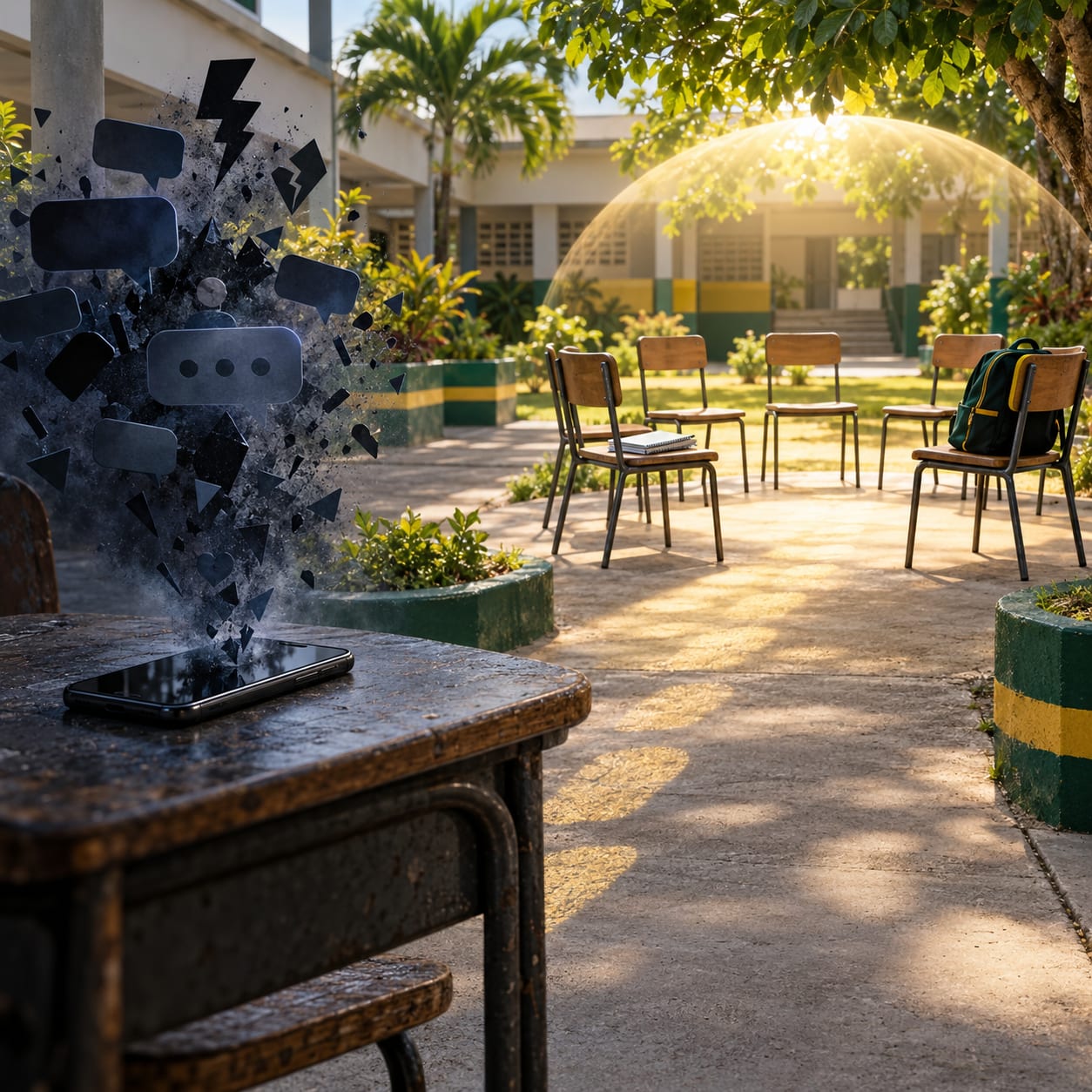
Today’s children are growing up in a world very different from the one many of us knew. They have unprecedented access to the digital world. They see and hear things at an early age that previous generations were shielded from. Social media has changed how children communicate, how they resolve disagreements and, sometimes, how they measure their worth.
Technology itself is not the enemy. But we must recognize that the digital world has, in many ways, displaced meaningful face-to-face conversations.
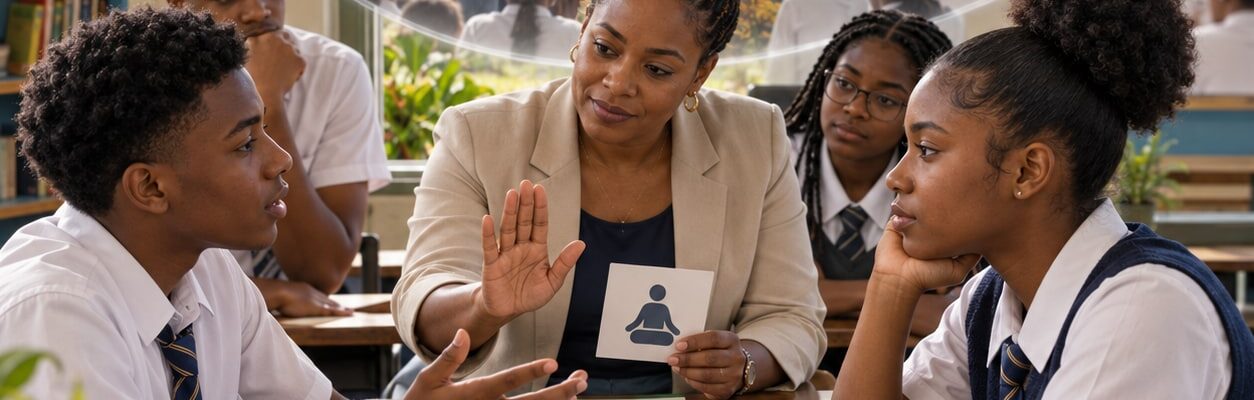
Children need to be taught how to disagree without destroying each other. They need to understand that conflict does not have to end in violence. They need to learn how to walk away, how to seek help, how to communicate their anger and frustration, and how to resolve disputes without reaching for a weapon or using their fists.
Unfortunately, violence has increasingly become normalised in parts of our society.
A disagreement becomes a fight. A fight becomes retaliation. Retaliation becomes another tragedy. And after the funeral, the country moves on until the next young life is lost.
We cannot continue moving on.
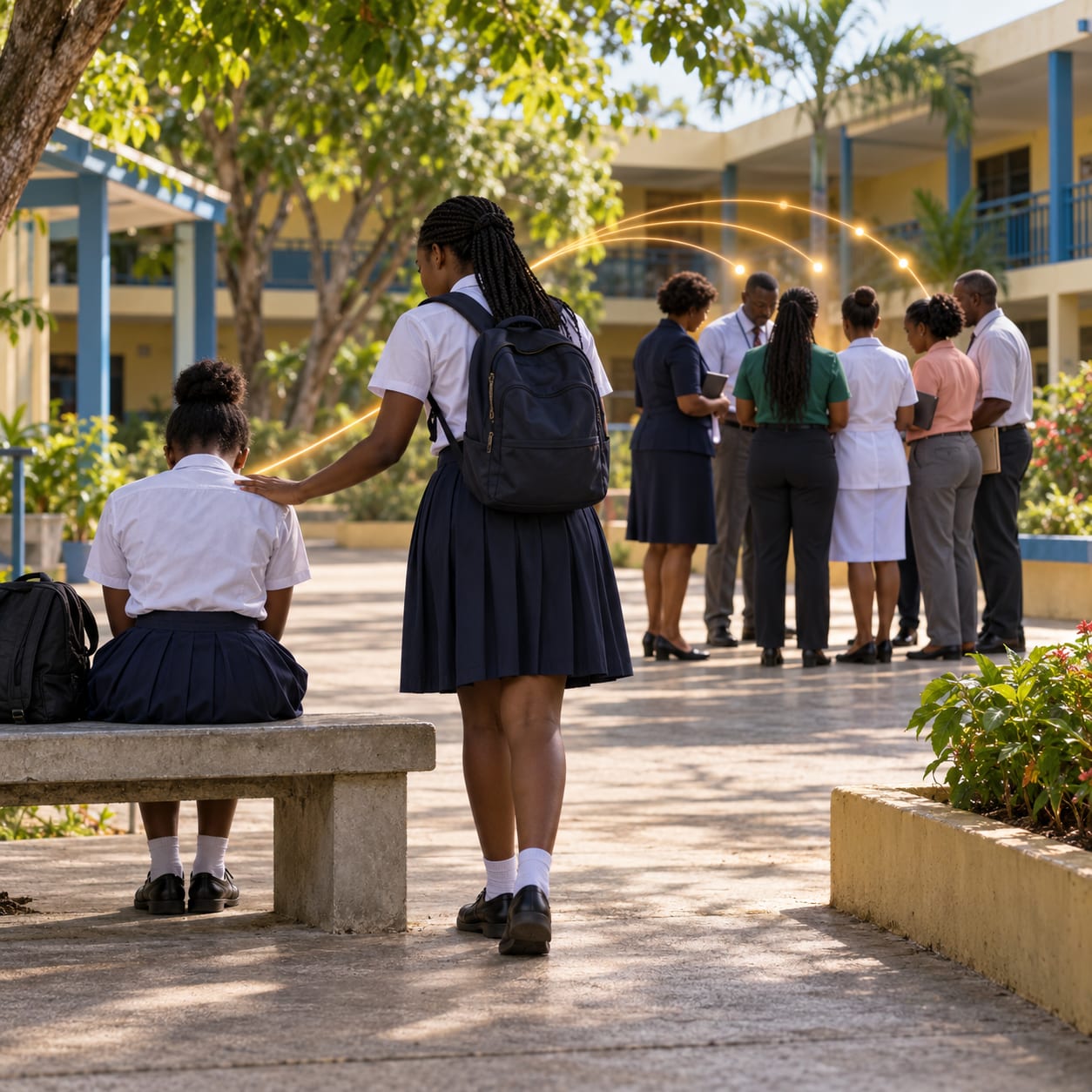
Bullying must also be taken seriously. It is not simply “children being children.” Persistent humiliation, intimidation, threats, harassment and exclusion can have devastating consequences for a child’s emotional and psychological well-being. Schools must have systems that identify bullying early, intervene appropriately and protect both the victim and other students.
This is where the professionals must be at the table.
We need educators, psychologists, psychiatrists, social workers, counsellors, emergency physicians, nurses, law-enforcement professionals, child-protection specialists and other relevant professionals working together to develop a comprehensive national response.
We cannot expect teachers alone to solve problems that extend far beyond the classroom.
We also need to look seriously at student government.
Student councils and student leaders should not exist merely to organize school events or represent students at ceremonial functions. They can become an important part of the solution.
Student leaders should receive appropriate training in conflict resolution, peer support, identifying bullying, recognizing warning signs and knowing when and how to seek professional assistance.
Students often see and hear what adults do not. A young person may confide in another student long before they speak to a teacher, parent or counsellor. Properly trained student leaders could become an important early-warning and peer-support mechanism, with clear boundaries and professional supervision.
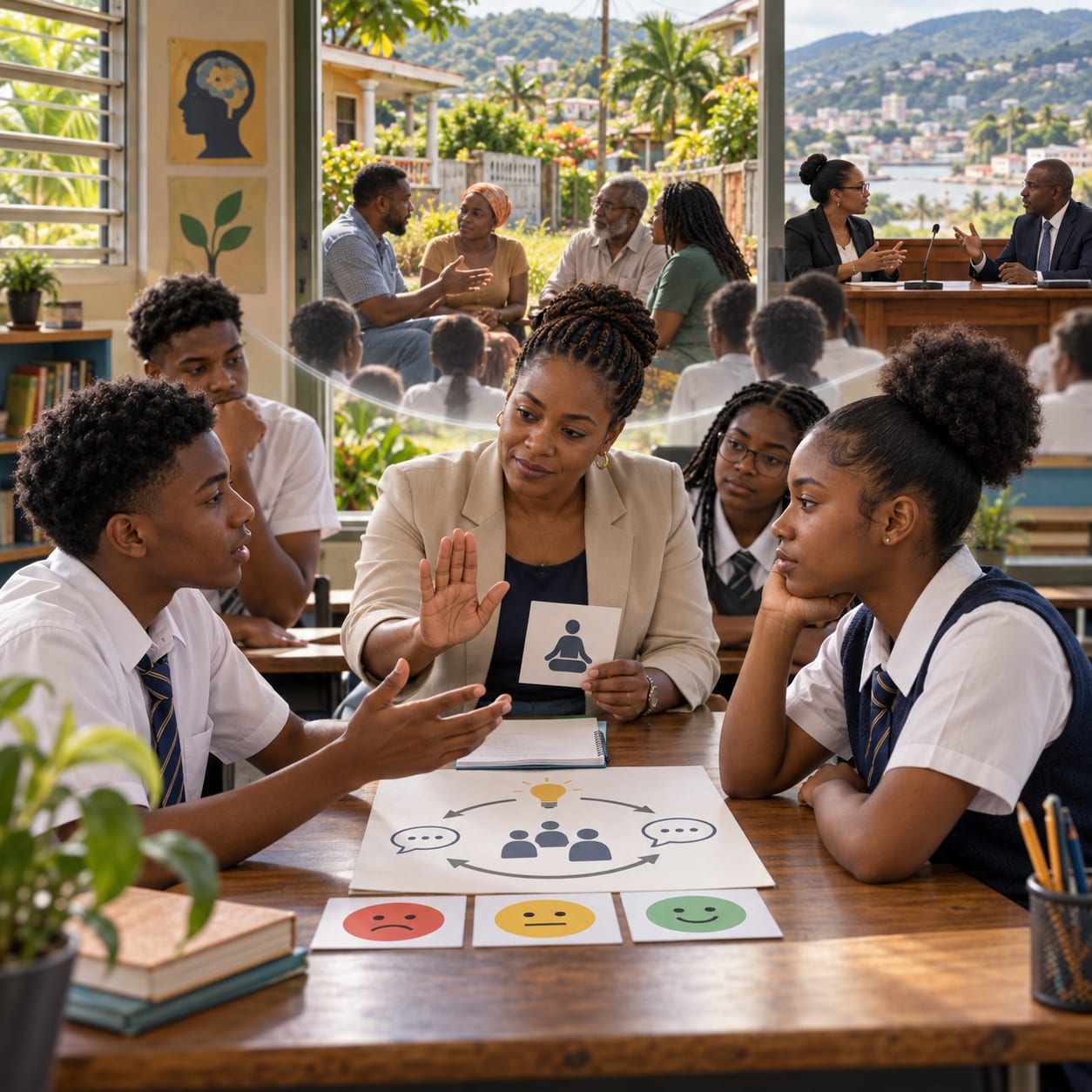
I would also argue that conflict resolution should be incorporated into the school curriculum as a practical life skill.
Our children should leave school knowing mathematics, science and history, but they should also know how to manage anger, communicate during disagreement, negotiate, respect differences and resolve conflict without violence.
These are not optional skills. They are survival skills.
But the responsibility does not stop at the school gate.
Homes matter. Communities matter. Leadership matters.
Parents must be willing to have difficult conversations with their children about violence, bullying, social media, respect and consequences. Communities must stop turning a blind eye when they know that young people are being drawn into violent behaviour.
And our political leaders must also examine the examples being set by those who hold public office.
Our children are watching.
They hear the language we use. They observe how political disagreements are handled. They see the personal attacks, insults, humiliation and hostility that sometimes characterize public discourse. They are learning from the adults around them.
We cannot tell a child that violence and intimidation are wrong while adults publicly demonstrate that aggression, disrespect and personal attacks are acceptable ways of dealing with disagreement.
Leadership is also about example.
If we want a different generation, we must give them different examples.
Jamaica cannot afford to wait until another child’s life is lost before we ask what could have been done differently.
We need a national conversation that is not driven by the latest tragedy, but by a sustained commitment to prevention.
Let us bring the professionals to the table. Let us listen to our teachers. Let us listen to parents. Let us listen to students themselves. Let us strengthen counselling services. Let us train student leaders. Let us teach conflict resolution. Let us rebuild community engagement. Let us help parents navigate the digital world their children inhabit.
And let us restore the village.
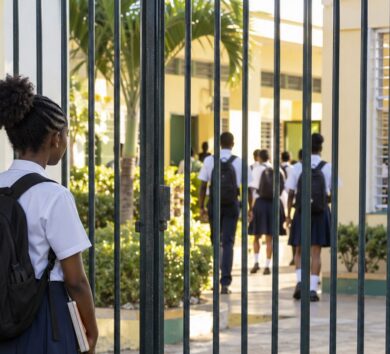
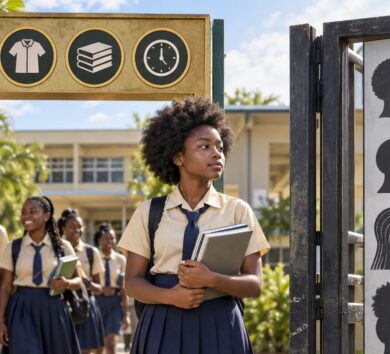
Because when a child walks through the school gate, that child does not belong only to the parents. That child belongs to all of us.
Every Jamaican child deserves the right to go to school, learn, grow and return home safely.
No parent should have to fear the phone ringing.
No family should have to bury a child because a conflict that could have been resolved ended in violence.
And no society that values its children should ever become comfortable with the loss of another young life.
Jamaica needs a reset. And the time to begin is now.


Comments