Tahje Wallen | School administrators must stop locking out students over grooming breaches

/ Our Today
administrator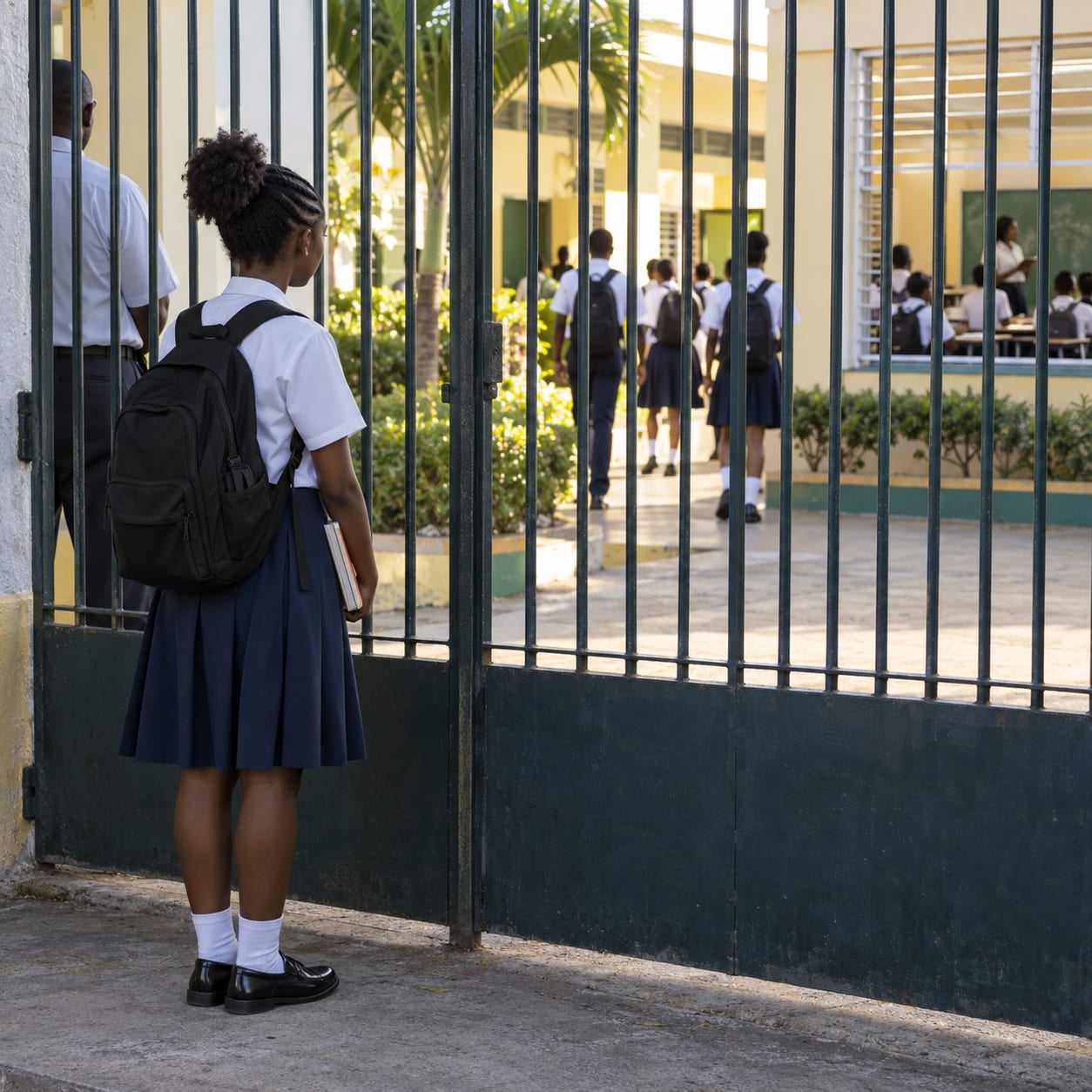
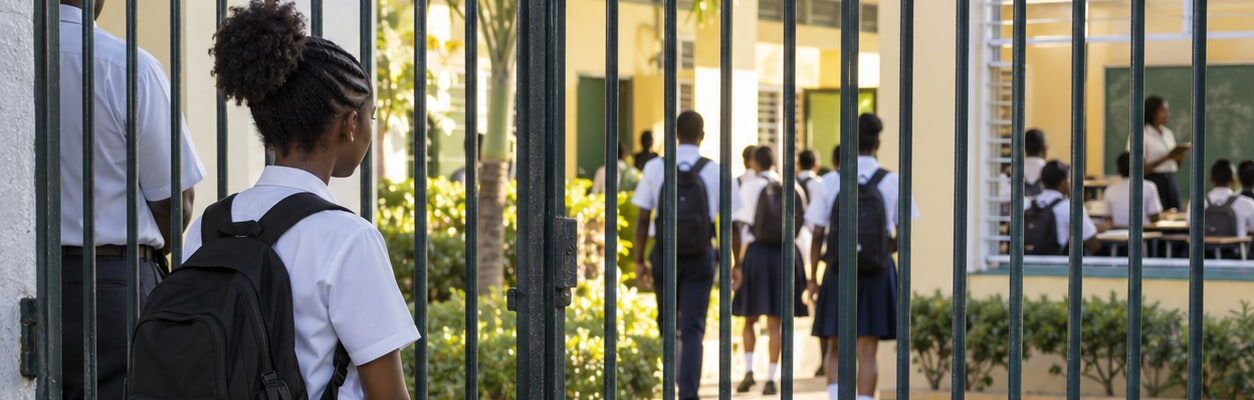
Over the years, the Ministry of Education, Skills, Youth and Information (MOESYI) have been appealing to school administrators not to lock out students due to grooming breaches. However, it has fallen on ‘Deaf Ears’. We are in 2026, looking to open school gates come September 7, 2026, for the new academic year, and MOESYI is again appealing to school administrators not to lock out students for grooming breaches. It is safe to say that there will be cases of students being locked out of schools due to grooming breaches.
School administrators should stop using “lockouts” as a punishment when students breach grooming rules. While schools have the right to establish reasonable expectations about appearance, removing students from their education because of a haircut, hairstyle, facial hair, or other grooming issue is disproportionate and can unfairly interfere with their learning. School administrators must remember that they have an obligation to ensure the right to education is fulfilled.
Education should be the priority. When a student is locked out of school because their appearance does not comply with a grooming policy, they lose valuable classroom time and may fall behind academically. The punishment can also create unnecessary conflict between students, families, and school staff. School administrators’ actions should aim to minimise any unnecessary conflict with parents and school staff.

School administrators can address grooming concerns without denying students access to education. School administrators should use proportionate measures such as discussions with students and parents, clear warnings, reasonable opportunities to correct a genuine policy violation, or other disciplinary responses that do not prevent a student from attending their classes and deny them access to the school premises.
Grooming policies should also be applied fairly and consistently. Administrators should consider cultural, religious, medical, disability-related, and other legitimate reasons for a student’s appearance. Rules should be clear, necessary, and respectful rather than relying on subjective judgments about what a student should look like.
Most importantly, students should be treated as learners first. A disagreement over appearance should never become more important than a child’s right and need to be in the classroom. Schools can uphold appropriate standards while recognising that education, ‘not hair, hairstyles, or grooming ’, is their central responsibility.
School administrators should therefore end the practice of locking students out over grooming breaches and adopt fairer, educationally focused ways of handling appearance-related concerns.
Parents and their child(ren) must ensure that they comply with school rules and grooming standards to avoid unnecessary conflict. They must play their part in conforming with school rules as long as it does not impact their cultural, religious, medical, disability-related, and other legitimate reasons.

The Major Question is “What can the Ministry of Education, Skills, Youth and Information MOESYI do to the school administrators who lockout students?”
MOESYI appeals over the years to school administrators not to lock out students have no ‘Teeth’. Therefore, school administrators will continue to do it. The measures should be targeted to the Principals, as they are the head of the school and must be held responsible for the staff actions because school rules are ultimately approved by them. To fix the ‘Deaf Ears’ mentality, I am recommending that the Education Regulation be amended to include these prohibitions and clear sanctions of Principals whose schools breach them:
Prohibition of exclusion for grooming violations: No school Principal, Vice-Principals, Deans of Discipline, Teachers, Administrators, or other person acting on behalf of a school shall deny a student admission to the school premises, exclude the student from classes, or require the student to leave school solely on the ground that the student’s hair, hairstyle, facial hair, clothing, or other aspect of personal grooming does not comply with a school grooming policy.
Consequences for non-compliance: The student shall be subject to appropriate disciplinary action under the applicable education regulations. MOESYI and the Board must direct the immediate reinstatement of the student and may impose any further sanction authorised by law, taking into account the seriousness and repetition of the violation.
MOESYI shall direct the Board to write to the Principal a formal written warning, which will be placed on him/her personnel file, and order him/her to immediately re-admit the student to the school and classes.
Administrative penalty: Repeated violations could lead to disciplinary proceedings which will follow the normal procedure.
1. Written Formal Warning
2. Final Written Formal Warning
3. Suspension for no more than three (3) months
Appeal and complaint mechanism: A student or parent/guardian affected by a violation may lodge a complaint with MOESYI, with a requirement that complaints be investigated within a specified timeframe.
Protection from retaliation: No student or parent/guardian shall suffer retaliation for making a complaint in good faith. Schools should be prohibited from retaliating against students or parents who complain about an unlawful lockout.
Record-keeping and reporting: Schools should be required to record grooming-related disciplinary actions and report any exclusion attempts to MOESYI, Board and Regional Directors.
It is time MOESYI act forcefully and meaningfully to protect the students’ right to Education.
Tahje Wallen, Chairman – Youth Education Association, Master of Education (M.Ed.) in Leadership and Administration Student



Comments