
Ricardo E. Smith | Supporting Neurodivergent Children: Every child deserves a fair chance

/ Our Today
administrator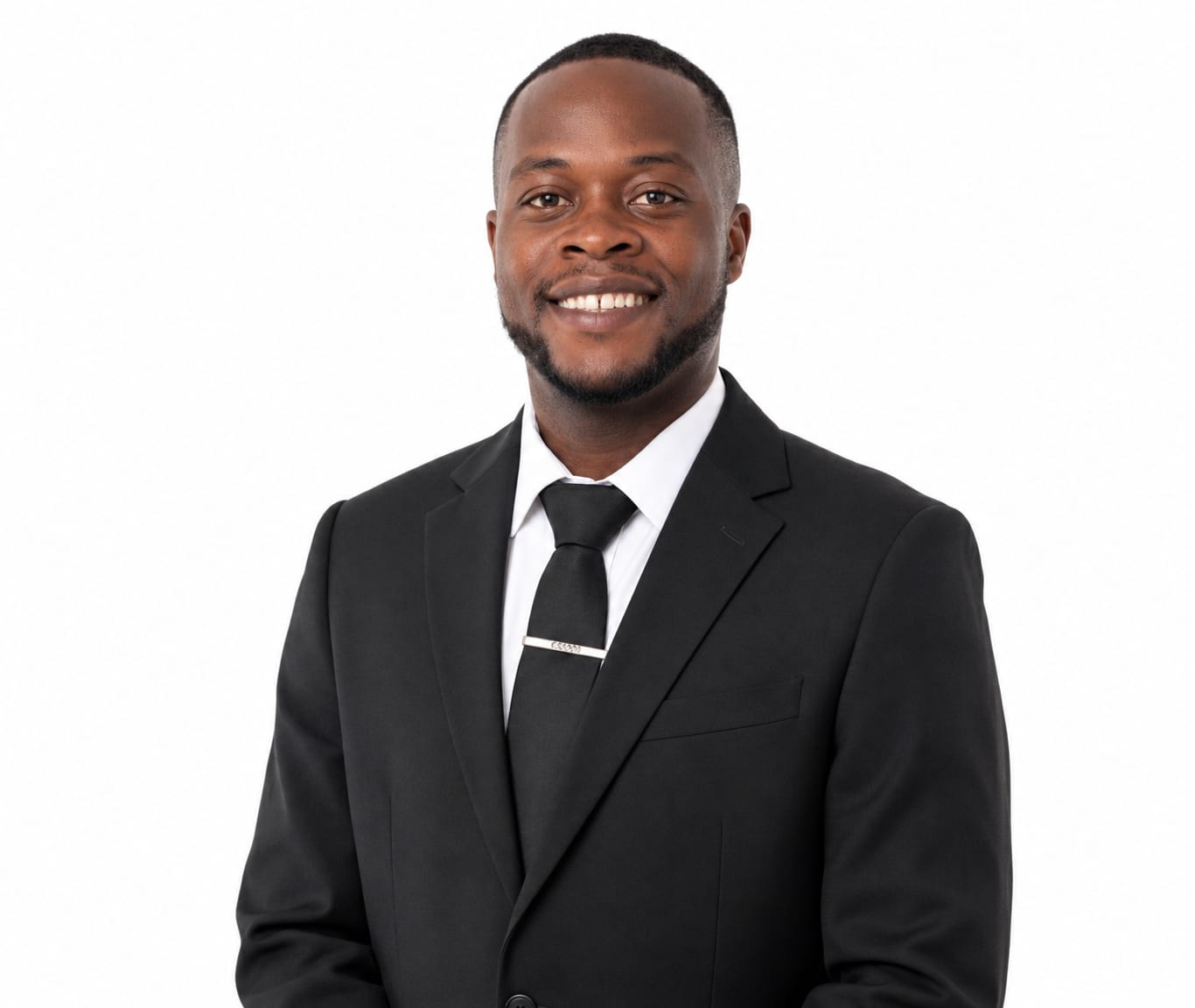
Every child deserves equitable access to education and a genuine opportunity to succeed. However, equity does not mean providing every child with exactly the same resources, interventions or expectations. Children learn differently, develop at different rates and may require different forms of support to reach their potential. As Jamaica continues to deepen its understanding of disability, exceptionalities and neurodiversity, our education system must also evolve to respond more effectively to this reality.
Neurodivergent children—including those with conditions such as autism, ADHD, dyslexia and other developmental or learning differences—may experience the school environment differently from their peers. Some may struggle with communication, sensory stimulation, social interaction, attention, emotional regulation or adapting to established routines, while others may demonstrate exceptional abilities in particular areas. These differences should not automatically be interpreted as deficiencies, indiscipline or a lack of ability.
The responsibility for educating students with diverse needs falls heavily on schools and teachers. Education, however, is about much more than preparing students to pass examinations. Schools also have a responsibility to develop students’ confidence, social skills, independence, critical thinking and capacity to participate meaningfully in society.

This responsibility becomes increasingly difficult when teachers are managing large classes, demanding curricula, administrative responsibilities and a wide range of student needs. It is therefore unreasonable to expect a classroom teacher, without adequate support, to simultaneously function as a teacher, counsellor, behavioural specialist, social worker and special educator. Supporting neurodivergent students must be viewed as a systemic responsibility, not simply an individual teacher’s responsibility.
There have been efforts by the Ministry of Education and Youth and individual schools to strengthen support for students with special educational needs. One such approach is the use of special education aides, sometimes referred to as “shadows”, to provide additional assistance within regular classrooms. When appropriately trained and properly supervised, such support can help students participate more fully in classroom activities while also allowing teachers to attend to the needs of the wider class.
However, inclusion must mean more than placing a child in a mainstream classroom. Physical placement is not the same as meaningful inclusion. A child can be present in a classroom every day and still feel isolated, misunderstood or unable to participate effectively. Genuine inclusion requires appropriate accommodations, trained personnel, responsive teaching strategies, behavioural and emotional support, and mechanisms for identifying and addressing individual needs.

This is particularly important because some neurodivergent students may perform exceptionally well academically while experiencing significant social, emotional or behavioural challenges. A student may achieve excellent grades while struggling with communication, anxiety, friendships, sensory environments, emotional regulation or changes in routine. Academic achievement should therefore not be the only measure used to determine whether a child is receiving adequate support.
Jamaica should therefore continue developing clear policies and sustainable systems for identifying, supporting and monitoring students with diverse learning and developmental needs. Schools should be encouraged and supported to establish structured intervention programmes that involve guidance counsellors, special educators, teachers, parents and, where necessary, external professionals. Such programmes could include mentorship, social-emotional learning, behavioural interventions, individual support plans, parent education and structured transition support.
Teacher preparation must also form part of this conversation. Teachers need continuous professional development that helps them understand neurodiversity, recognise possible signs of learning and developmental differences, use appropriate classroom strategies and distinguish between deliberate misconduct and behaviour that may be communicating an unmet need. This does not mean removing accountability or allowing inappropriate behaviour to go unchecked. Rather, it means ensuring that our responses are informed, proportionate and focused on helping the child develop.

Our language and attitudes matter as well. Children who behave differently are sometimes quickly labelled “problematic”, “disrespectful”, “lazy” or “unruly”. While some behaviour may require correction, we should also ask an important question: What is this behaviour telling us? A child’s behaviour may sometimes be an expression of frustration, anxiety, sensory overload, difficulty communicating or an inability to cope with the demands of the environment.
This is why discipline and support should not be viewed as competing approaches. A child can be held accountable while also receiving the support necessary to understand expectations and develop appropriate ways of responding. The objective should be correction, development and inclusion—not simply punishment.
Providing these supports will require investment. However, we should also recognise the potential social and educational cost of failing to provide them. When children repeatedly experience failure, exclusion, misunderstanding or punishment for needs that have not been properly identified, their confidence and engagement with education can suffer. Early identification and appropriate intervention can help schools respond before challenges become more difficult to address.

The conversation about neurodiversity must therefore move beyond awareness. Awareness is the beginning; systems and action are what make inclusion meaningful. We need policies that are implemented consistently, adequately trained personnel, appropriate resources, stronger collaboration between schools and families, and mechanisms to monitor whether interventions are actually helping students.
The Jamaican education system cannot remain static while our understanding of children continues to evolve. Instead of asking why some children cannot fit comfortably into systems designed around a single model of learning and behaviour, perhaps we should ask how those systems can become more flexible and responsive.
Every child deserves a fair chance to succeed. Requiring additional support should never mean receiving fewer opportunities. Equity requires us to recognise that children do not all begin from the same place, learn in the same way or need the same support. Our responsibility is to build an education system capable of meeting children where they are and helping them become all they are capable of becoming.
Ricardo E. Smith, JP ia a senior educator & social scientist at Manchester High School. He is also Board Chairman, Porus Infant, Principal Director, R.Smith Scholars Institute, an author and a researcher




Comments