US, China to cut tariffs on US$60-billion of non-sensitive goods

/ Our Today
administrator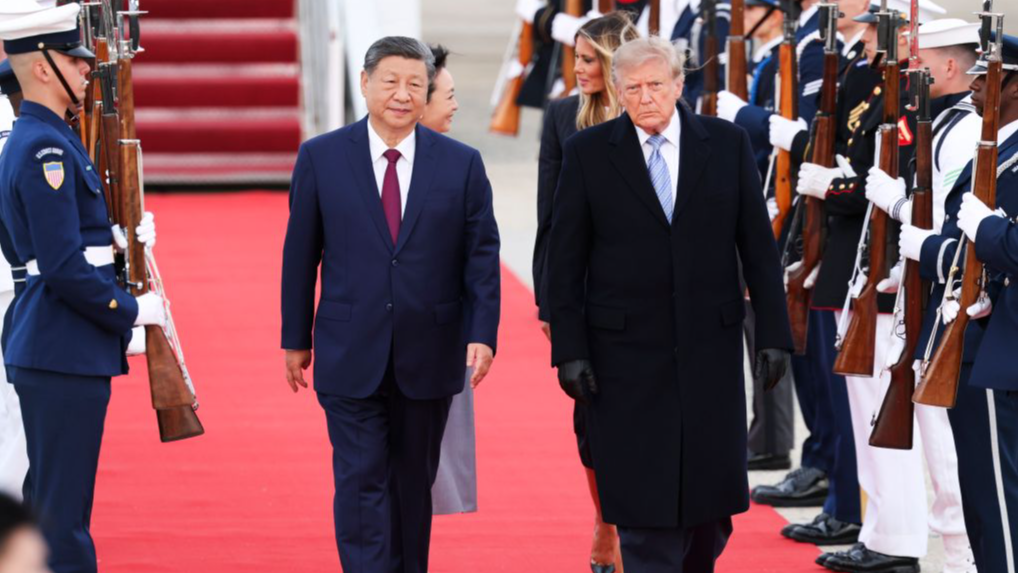
Superpower rivals seek to steady ties, which have been rocky
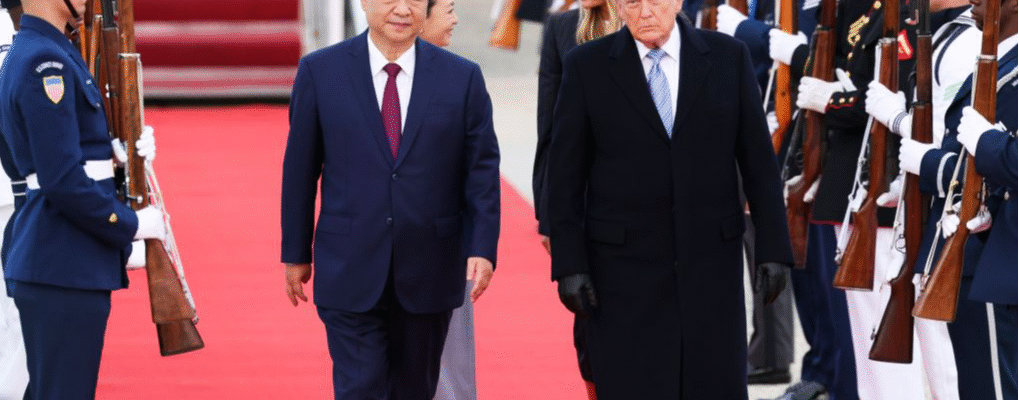
The US and China have detailed a plan to cut tariffs on about US$30 billion of imports from each country, taking a step toward fulfilling a key outcome of last week’s summit between Donald Trump and Xi Jinping.
The proposed relief is on a list including 1,619 items of U.S. goods entering China, such as Chinese toys, kitchenware and other household goods, as well as US agricultural products, coal, hair products and medical equipment. Most would be freed from the additional tariffs imposed during years of trade tensions as the superpower rivals seek to steady ties.
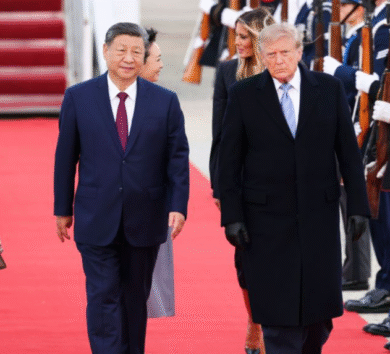
The details came days after Chinese President Xi Jinping met with U.S. President Donald Trump in Washington in his first state visit to the U.S. since 2015. The U.S. had already reduced tariffs against China after Trump’s tariffs reached as high as 145% at one point last year, as tensions between the two countries eased.
Agreement will help strengthen trade cooperation
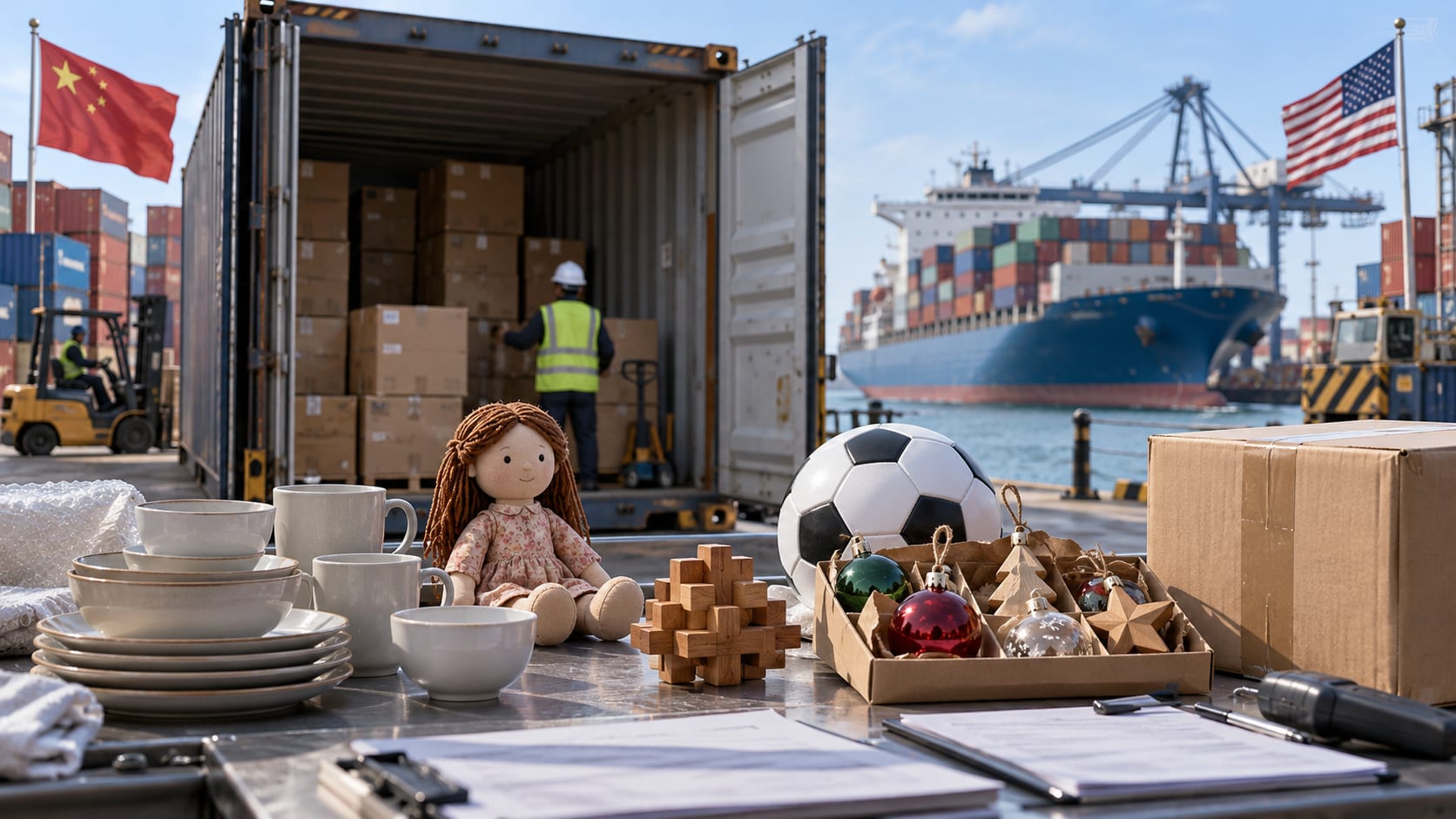
China’s commerce ministry said in a statement the agreement will help strengthen trade cooperation. For Chinese goods exported to the U.S., 77 categories were covered, including fireworks, tableware, toys like dolls and puzzles, glass and wooden Christmas ornaments and soccer balls.
Tariff rates on over 90% of the products would be subject to “most-favoured-nation” levels, the Chinese commerce ministry said, meaning that country-specific tariffs will effectively be eliminated. Most-favoured-nation rates are the standard tariffs applied under World Trade Organisation rules, but they can differ from item to item and are often in the single digits.
U.S. Trade Representative Jamieson Greer said in a separate statement the product lists focused on “nonsensitive goods on each side that could benefit from more favourable tariff treatment.” The deal could help secure market access for U.S. farmers, manufacturers, businesses and workers, while benefiting American consumers with imports from China including household goods and toys, Greer said.
List may be adjusted later as needed
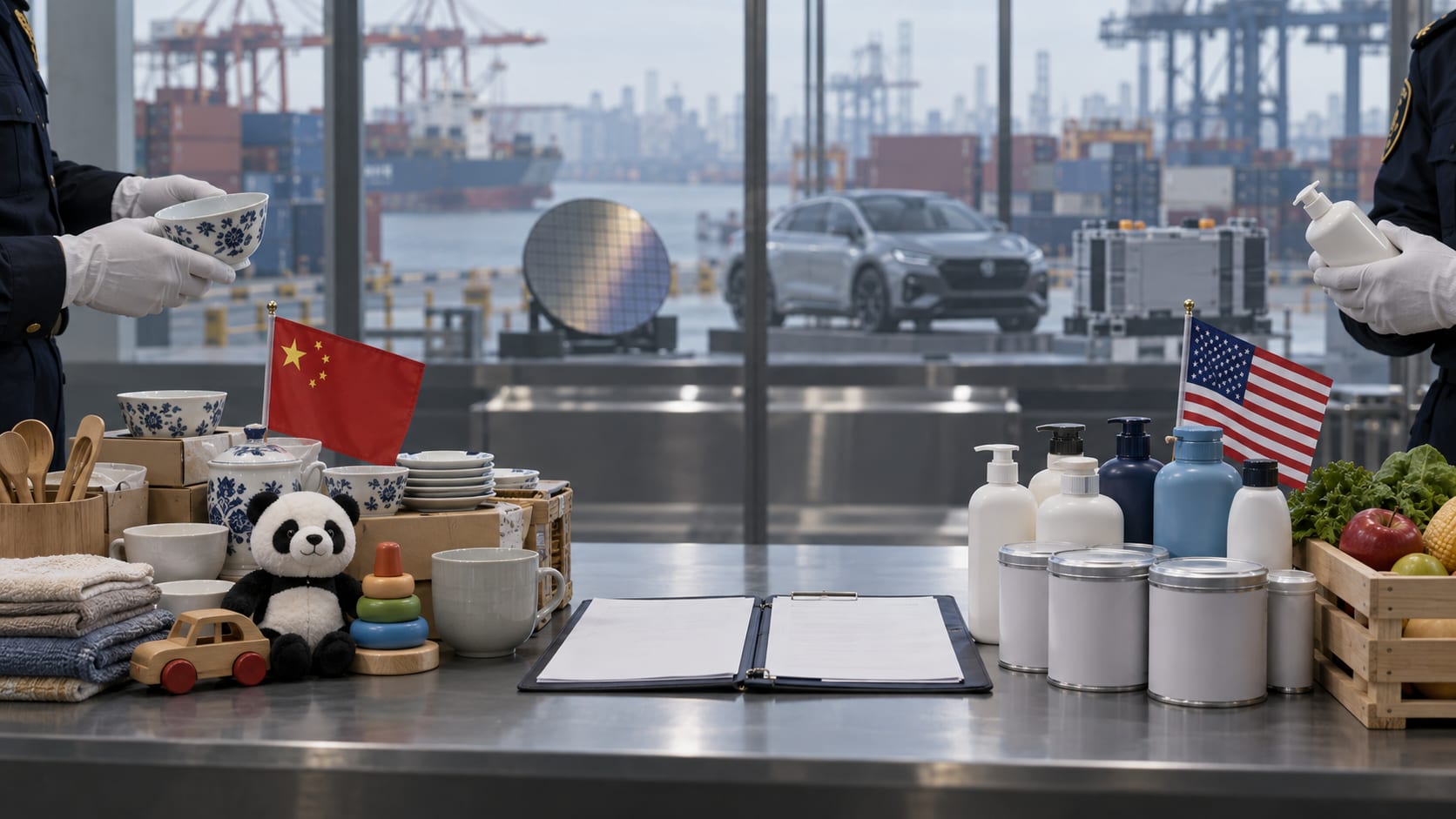
Both countries said they agreed the list may be adjusted later as needed, but amendments were likely to be no more than on an annual basis. The Chinese commerce ministry said the two countries agreed to further cooperate in the agricultural sector, forming a group under the Board of Trade established in May to optimise bilateral trade.
Sectors of strategic importance for both countries, such as chips, electric vehicles and batteries, were not covered under the agreement.“ This is a positive outcome for these affected products compared to a smaller tariff cut, and could lead to a more significant boost to bilateral trade,” said Lynn Song, chief economist for Greater China at ING Bank.
The lowered tariffs could be a win for U.S. consumer brands, according to Jacob Cooke, CEO of WPIC Marketing + Technologies based in Beijing, as some of the products covered by China’s list of U.S. imports included fast-growing categories like hair care, personal care products and infant formula.
With the U.S. list for Chinese products focused more on consumer goods, it could help lower U.S. inflation while also allowing Chinese firms to export more of their overcapacity, said Gary Ng, a senior economist at French bank Natixis. Some experts said, however, the economic impact at US$30 billion each way may be limited overall.
U.S. exports to China were roughly $68 billion through the first seven months of this year, while Chinese exports to the U.S. were at around $270 billion for the first eight months, said Prashant Bhayani, chief investment officer for Asia at BNP Paribas Wealth Management.
Even after the deal, the overall average U.S. tariff rate on China is estimated to drop only from around 22% to roughly 20.5% and remain significantly higher than the roughly 11% before Trump’s return to the White House early last year, said Leah Fahy, a senior China economist at Capital Economics in a research report. Notably, U.S. soybeans were not included in the list of agricultural commodities, she added.




Comments