BOJ Hikes Policy Rate to 6.0% as Inflation Pressures Outlast August Pause

/ Our Today
administrator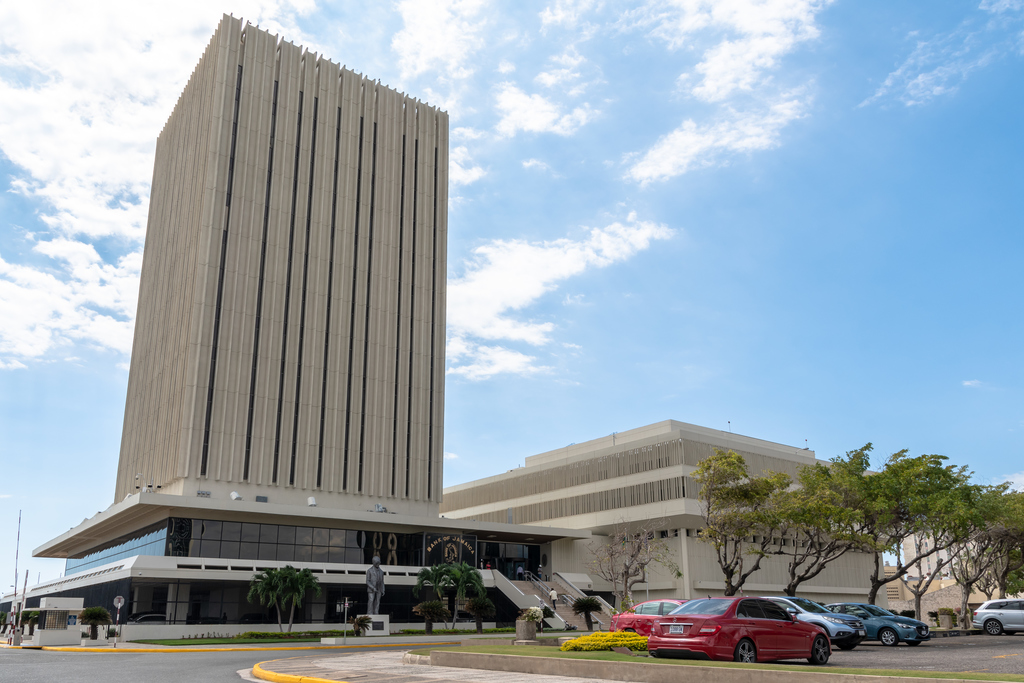
The Bank of Jamaica (BOJ) has raised its policy rate by 50 basis points to 6.0 per cent, effective Tuesday, September 29, reversing course barely six weeks after holding rates steady in August. The Monetary Policy Committee (MPC) made the decision unanimously at meetings on September 24 and 25, saying inflation is now likely to stay above target for longer than it had projected.
The central bank said the hike is needed “to limit second-round effects” and to keep near-term price increases from becoming embedded in inflation expectations, which it warned could otherwise cause “a protracted delay” in returning inflation to its 4–6 per cent target range.
In August, the MPC held the rate at 5.50 per cent even as July inflation reached 7.5 per cent. It was the first policy decision under Governor Dr Brian Langrin, who was sworn in on August 19. The BOJ said that decision was “appropriate based on the assessment of the risks at that time,” but pointed to three developments since then:
- Geopolitical escalation. Heightened tensions in the Middle East and the Russia-Ukraine conflict have pushed commodity prices higher. The BOJ said current conditions now match the assumptions in its “severe scenario.”
- El Niño and drought. The intensifying El Niño is expected to keep domestic agricultural inflation high for longer than projected because of its effect on crop yields.
- Tighter global financial conditions. The BOJ noted that the US Federal Reserve raised its target range by 25 basis points to 3.75–4.0 per cent in September, and that other major central banks have also tightened.

The BOJ cited STATIN figures showing headline inflation at 7.9 per cent in August 2026. That is up from 7.5 per cent in July and 1.2 per cent in August 2025, and it marks the third straight month above the target ceiling. The August figure was still below the BOJ’s own most recent projection. The bank attributed the increase mainly to drought damage to crop yields, particularly vegetables, and to higher international commodity prices passing through to petrol.
Core inflation, which excludes agricultural food and fuel, held at 5.2 per cent, unchanged from July but up from 4.2 per cent a year earlier. The BOJ said this reflects “emerging, though still limited” second-round effects on processed food and selected services.
The bank also flagged rising expectations among businesses. Firms’ 12-month inflation expectations rose to 7.3 per cent in July from 6.7 per cent in June, and businesses signalled likely wage pressures.

The BOJ expects headline inflation to keep rising in the near term and to return to target by mid-2027, depending on how long the Middle East and Russia-Ukraine conflicts last. It expects core inflation to also stay above target over that period. The bank said the risks remain “skewed to the upside.” Beyond commodity pass-through, it cited:
- more farm-output losses from above-normal heat,
- demand from government recovery spending, and
- activity returning to normal in sectors hit by Hurricane Melissa.
The main downside risk it identified is weaker consumer purchasing power.
The BOJ said international reserves “remain healthy” and that it expects the exchange rate to stay relatively stable. The MPC said it will “deploy additional tools, if necessary” to contain second-round pressures.
The hike marks a clear shift from the “not alarmed” position the new governor’s team took in August. It suggests the BOJ now sees drought, geopolitics, and reconstruction spending as durable inflation drivers rather than passing shocks.
For borrowers, the move is likely to feed through to higher JMD loan costs. This comes as the Small Business Association of Jamaica is publicly pressing the BOJ for lower MSME borrowing rates. For fixed-income investors, the combination of a Fed hike and an explicit BOJ tightening bias points to a longer high-rate period for JMD instruments. The central bank’s reference to its “severe scenario,” along with its open-ended commitment to additional tools, leaves the door open to further increases if commodity prices or inflation expectations keep climbing.





Comments