
Langrin recasts JAM-DEX as a disaster payment rail while retail use lags

/ Our Today
administrator
Bank of Jamaica Governor Dr Brian Langrin has given the central bank’s digital currency a new job: getting relief money to households after a disaster.
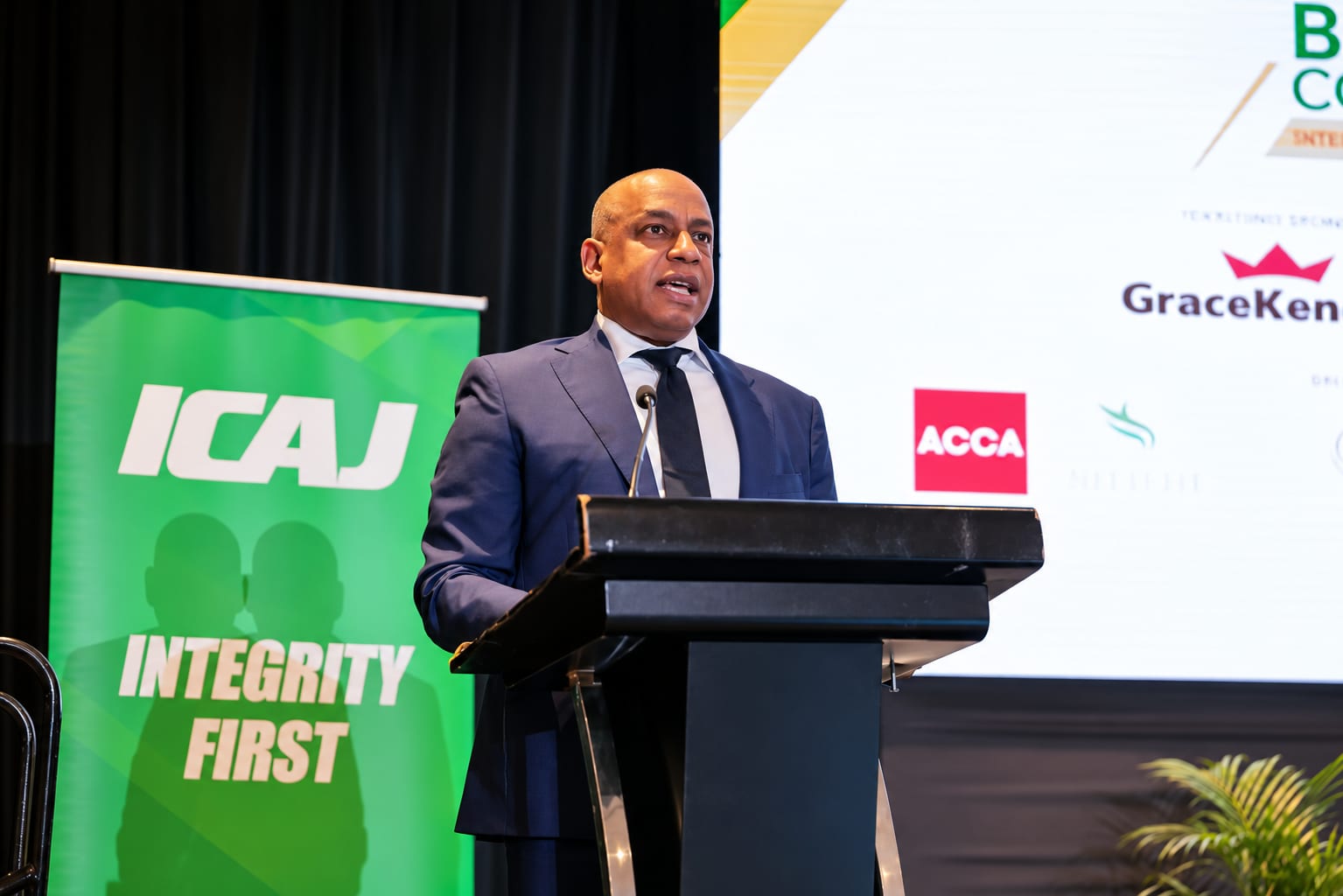
In a keynote to the Institute of Chartered Accountants of Jamaica on Thursday, Langrin said JAM-DEX could provide a trusted rail for merchant payments and, where the responsible authorities choose, for verified public transfers and disaster relief. He called it “a practical starting point.”
The pitch follows four years in which the currency has struggled to win everyday users. JAM-DEX launched in July 2022 through the Lynk wallet, and the Government credited J$2,500 to each of the first 100,000 people who signed up. By February 2023 about 190,000 customers were on board and transactions for 2022 were valued at J$357 million.
Progress since then has frustrated the Bank. In February this year, then governor Richard Byles criticised commercial banks for a slow rollout. The Jamaica Bankers Association answered that integration costs were high and that two large member institutions offering JAM-DEX had seen little customer take-up. The Bank had offered to pay half the cost of upgrading point-of-sale machines.
In an exit interview in August, Byles accepted part of the blame and said the immediate problem was the small number of businesses where the currency can be spent. He estimated that about 18,000 machines needed adapting.
Langrin gave no wallet, merchant or transaction figures in his speech.
His near-term priorities cover ground Byles had marked out: more wallets, wider merchant acceptance and lower technical barriers for banks, credit unions and payment providers that want to connect. He added offline capability, a weakness Hurricane Melissa exposed when power and telecommunications failed.

The new emphasis is on government payments to individuals. Langrin said the Bank would support testing where the authorities choose that use and where payment-ready beneficiary data are available. JAM-DEX has carried government payments before on a small scale: a December 2022 pilot paid 72 individuals and 70 merchants a little over J$600,000, a Bank official said the following year.
He set limits on the claim. The currency could not handle disaster payments alone, he said, and would work alongside the automated clearing house and the real-time gross settlement system as one of several routes. Identifying beneficiaries would remain the job of public authorities. Cash stays legal tender and digital money stays voluntary.
Relief paid in JAM-DEX would lean on the same merchant network that retail use requires. Recipients, Langrin said, need practical places to spend the funds.
He also described a tool under discussion that would assess what a public agency or financial institution needs to connect to JAM-DEX and produce an investment-ready roadmap, which he said could cut months of preparatory work.
No date has been set for a national disaster-disbursement simulation. Langrin said that decision rests with the responsible authorities and their delivery partners.






Comments