
Advances in diagnosis and treatment offers hope for epilepsy

/ Our Today
administrator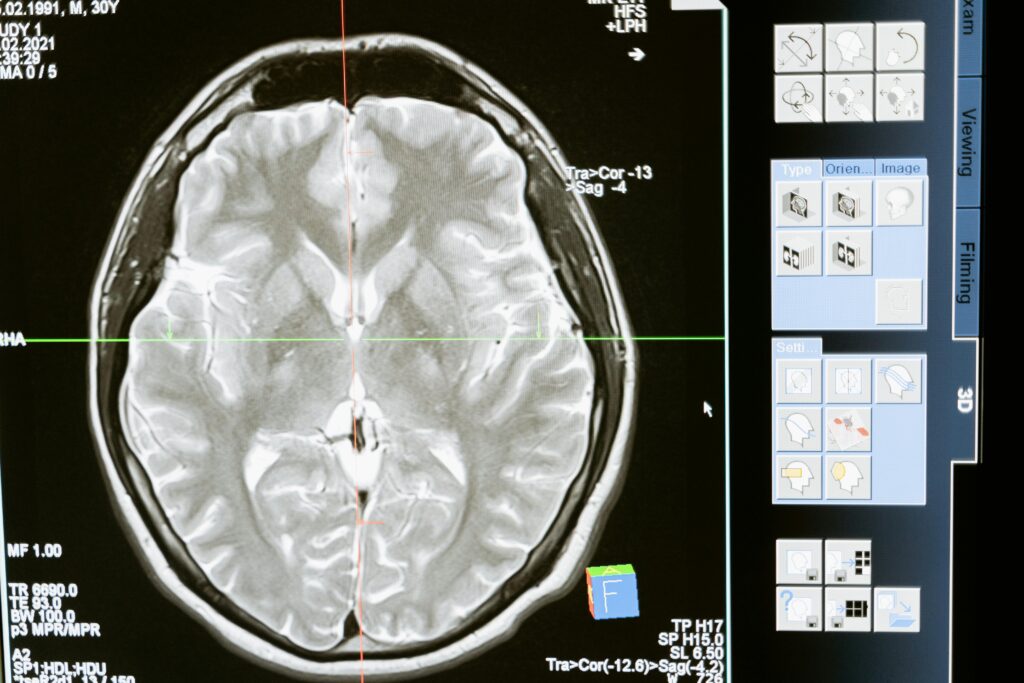
You may be surprised to learn epilepsy affects over 6 million people in Latin America and the Caribbean, exceeding cases of Parkinson’s, multiple sclerosis, cerebral palsy, and autism combined. This often misunderstood condition can manifest subtly beyond the seizures many associate with it.
The good news is that once diagnosed, treatment is critical for improving quality of life and preventing disability from repeated seizures. Advanced technologies and diverse treatment options ranging from medication to surgery and brain stimulation allow patients to live fully and actively by reducing or eliminating seizures.
Cutting-edge care involves customized strategies tailored to the specific seizure cause. Technological advances have been key, from tiny electrodes and lasers to MRI imaging during surgery and implantable devices that halt seizures in their tracks. Such innovations dramatically enhance quality of life and participation in daily activities.
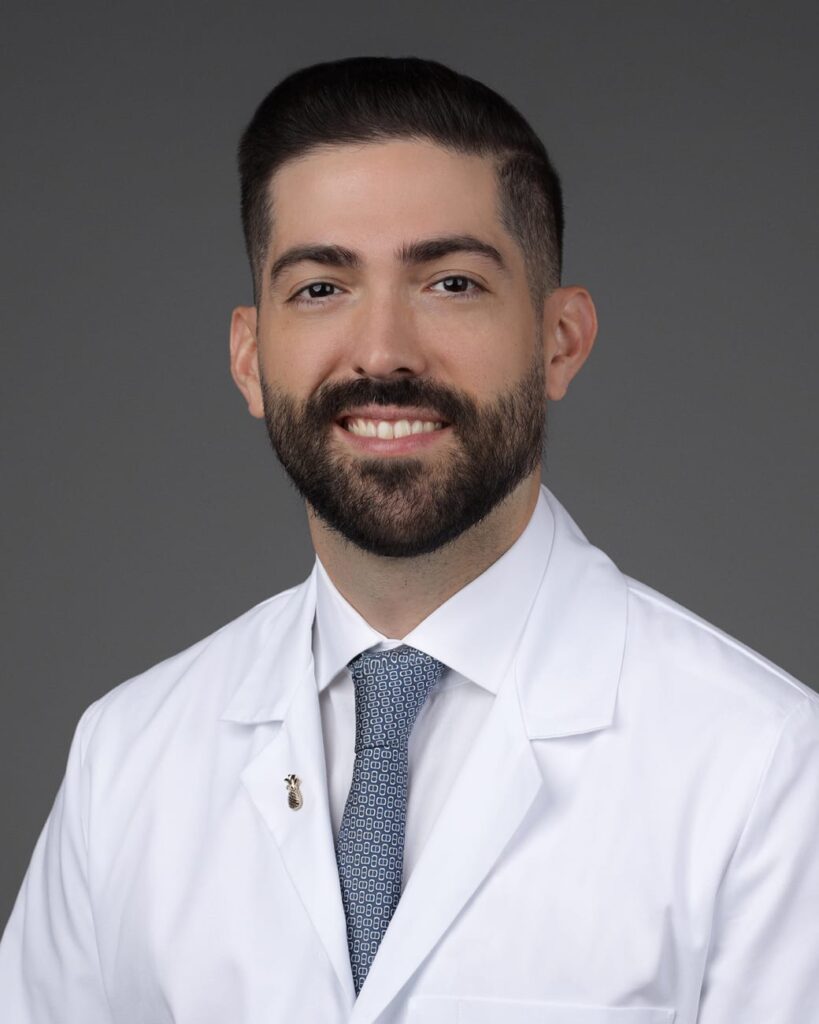
To promote understanding, Dr Luis Tornes, director of epilepsy at Miami Neuroscience Institute, addresses common questions about properly diagnosing and effectively treating this condition.
“My hope is that the public can become more understanding, educated and supportive about epilepsy,” said Tornes.
What progress has occurred in the diagnosis of epilepsy?
“The most profound progress has been in understanding the nuances of an individual’s specific type of epilepsy. By accurately identifying both the origin of seizures and their underlying cause, we are better equipped to develop highly personalised treatment plans for patients. This precision allows for a broader range of therapeutic interventions, including more effective medications and surgical options when appropriate.”
Is there a diagnostic tool in particular that has made a difference?
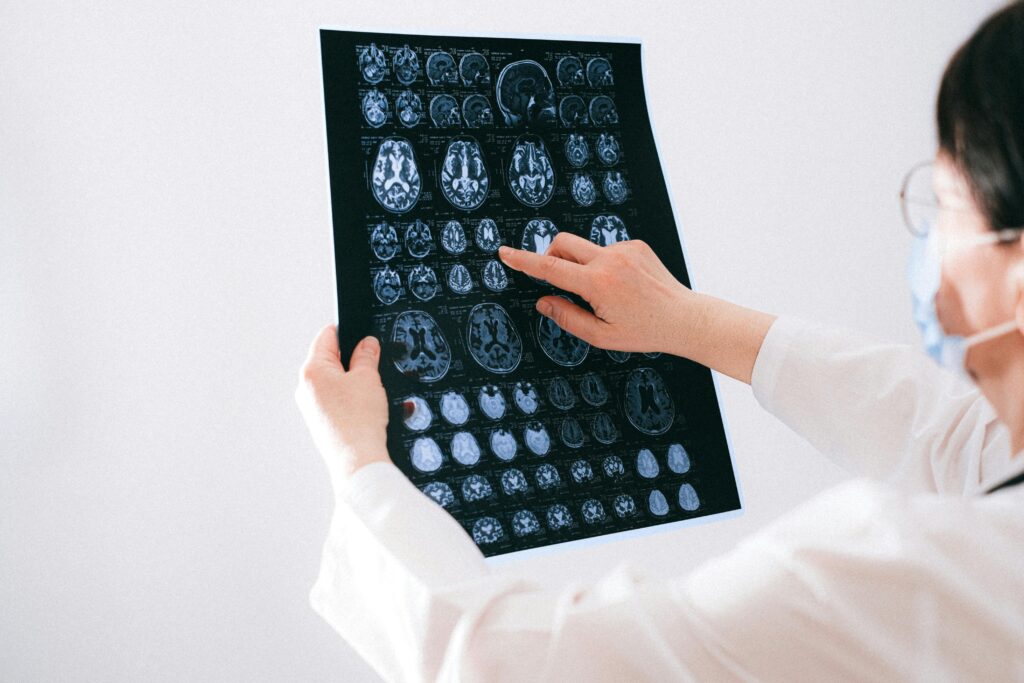
“Advancements in imaging technology are enabling healthcare professionals to identify the origins of seizures with unparalleled accuracy. Of particular note is stereo electroencephalography (SEEG), a minimally invasive surgical procedure used to identify deep areas in the brain where difficult-to-treat epileptic seizures begin. SEEG electrodes can be implanted to gather data directly from specific brain regions, providing valuable insights that were previously difficult to obtain. This more comprehensive approach to diagnosis results in more targeted interventions, increasing the likelihood of successful treatment outcomes.”
Where are we in terms of treatment of epilepsy?
“Today’s treatments involve highly personalized strategies that target the specific cause of seizures in an effort to lessen or eliminate them. Technological advances include not only tiny electrodes and lasers, but MRI machines that provide high-resolution images during surgery, and implanted devices that can stop a seizure in its tracks. Advances in medication and other treatment options have made it possible for many people with epilepsy to control their seizures effectively. This can lead to a marked improvement in quality of life, allowing individuals to participate in most of the activities that those without epilepsy can. Treating epilepsy effectively requires a team approach involving various specialties. Our institutes bring together experts in neurology, neurosurgery, neuroradiology and neuropsychology to provide well-rounded care for our patients. This multidisciplinary collaboration ensures that we can conduct all the necessary tests and studies under one roof, helping us identify the best possible treatment for each individual.”
What other advancements are we seeing in treatments?
“New antiepileptic medications provide us the ability to tailor drug regimens according to an individual’s unique needs. These certainly hold significance, but even more compelling are the developments in the field of surgical treatments, specifically neuromodulation. Minimally invasive therapies are expanding the landscape, offering promising alternatives.”
Would you provide more detail about these neuromodulation options?
“Today, we have advanced techniques that can modulate brain activity with electrical stimulation, interrupting, lessening or preventing seizures. These minimally invasive options include Responsive Neurostimulation (RNS), which sends electrical stimulation to the brain during a seizure to abort it in real-time; Deep Brain Stimulation (DBS), which involves implanting a device to send electrical signals to the thalamus; and Vagus Nerve Stimulation (VNS), where a device is implanted and then a lead is attached to the vagus nerve to control seizures. Each of these options offers its own benefits and risks, providing a range of choices for individualised treatment.”
Is brain surgery an option as well?
“There are several brain surgery options for patients who require them. These include callosotomy, which involves cutting connections in the brain to prevent seizures; hemispherectomy, the removal of one side of the brain; and lobectomy, the removal of a specific lobe of the brain. Another option is targeted resection or lesionectomy, where only the part of the brain causing seizures is removed. Laser ablation is a less invasive method that uses lasers to remove problematic areas.”
How do you determine the best course of treatment?
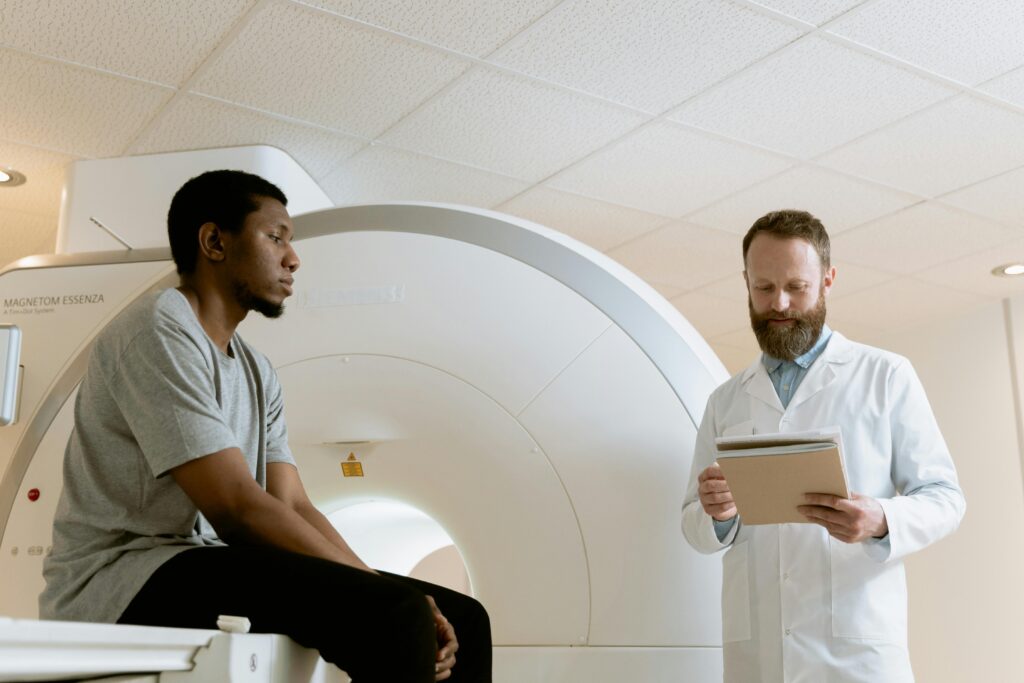
“Choosing the right treatment is a detailed process that involves a series of advanced tests. Patients usually undergo prolonged video EEG monitoring, which records brain activity to understand the origin and location of the seizures. Various types of brain scans, like MRI, PET scans and functional MRIs are also used to get a clearer picture of what’s going on inside the brain. Neuropsychology tests assess how the brain’s condition is affecting mental skills. While these are the standard tests, additional ones may be carried out if needed. Once all the necessary information is gathered, doctors can then determine which treatment option will be most effective.”
Is there a message we should convey to raise awareness about the condition?
“There should always be an opportunity to shed light on a condition that affects millions of people worldwide, impacting not just those who experience seizures but also their families and communities. My hope is that the public can become more understanding, educated and supportive about epilepsy. This is a condition that can affect anyone, regardless of age, race, or social standing. With greater awareness and understanding, we can make strides in improving the quality of life for those affected by epilepsy.”





Comments