
Douglas Levermore | “Water Is Life”, Why Are We Still Running Out of It?

/ Our Today
administrator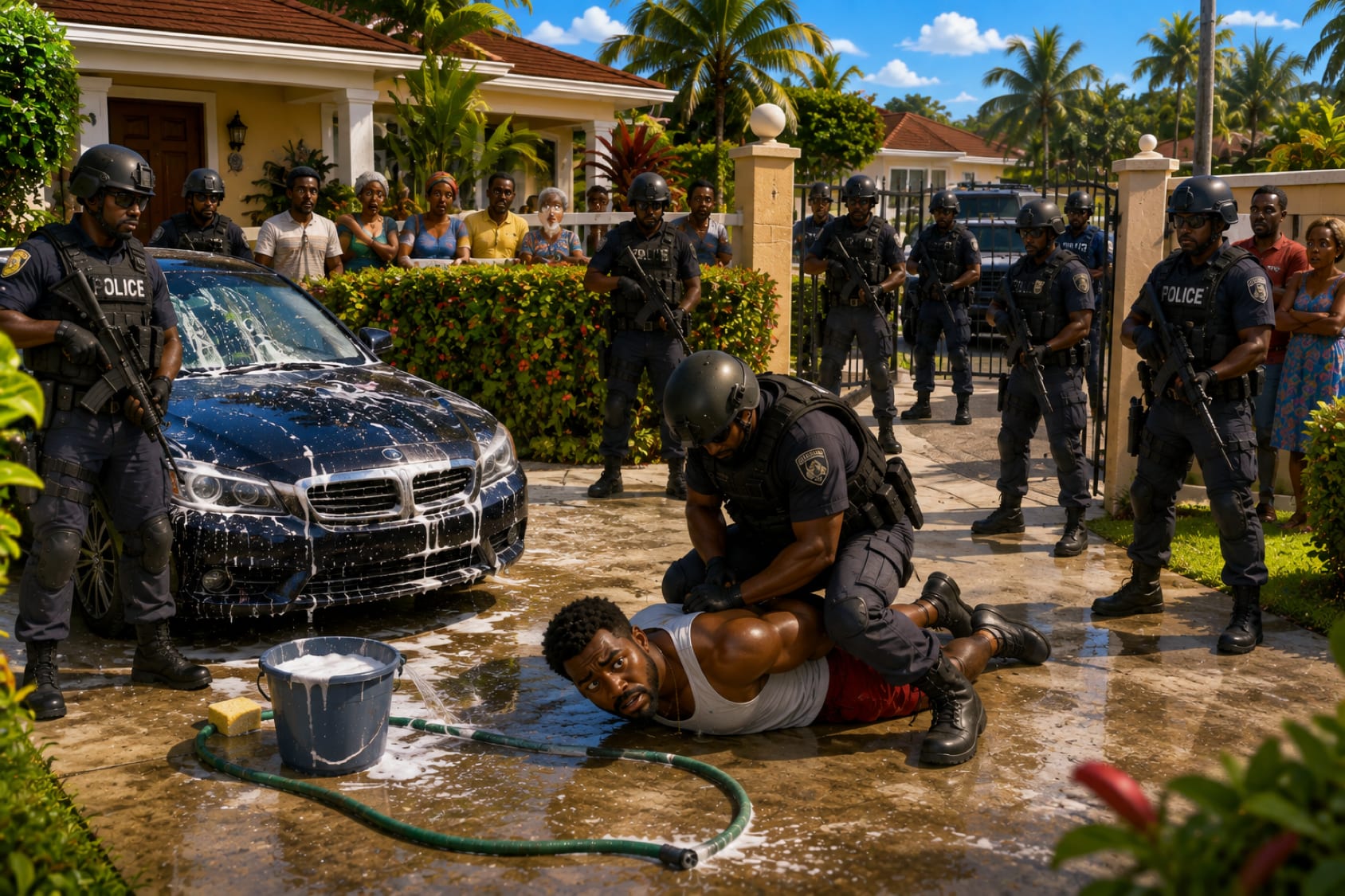
Older Jamaicans will remember the National Water Commission’s wonderfully simple campaign of a few years ago: “Water is Life.”
It was catchy, memorable and, unlike many advertising slogans, scientifically difficult to dispute. Water IS Life. The human body can survive considerably longer without food than without water. Communities cannot function without it.
Hospitals cannot operate properly, businesses cannot produce, schools cannot maintain sanitation, and homes become remarkably complicated places when somebody turns a tap and hears only the plumbing clearing its throat. Yet every few years, particularly in Kingston and St Andrew, Jamaica seems surprised to discover that water is indeed life—and that there is not quite enough of it.
The latest restrictions, however, deserve a conversation that goes well beyond rainfall. In August, as drought conditions intensified, customers served by the Mona Dam were placed on restricted supply hours, followed by prohibition orders limiting certain non-essential uses of potable water. When those restrictions began, Mona was reportedly at approximately 62 per cent of capacity, while the Hermitage Reservoir subsequently declined to considerably lower levels. From an operational standpoint, such measures may be unavoidable; after all, the National Water Commission cannot distribute water it simply does not have. But that explanation addresses the immediate crisis rather than the recurring problem.

The more troubling public-policy question is why Jamaica—a tropical island surrounded by water and capable of receiving substantial rainfall—continues to find itself rationing potable water whenever the rains fail to arrive on schedule. At some point, drought can no longer be treated merely as an explanation. When the same problem returns with predictable regularity, the conversation must shift from managing shortages to asking whether the country has invested sufficiently in preventing them.
The problem is not simply that Jamaicans use too much water. Neither is it merely that the Mona Reservoir is inadequate or that Hermitage is ageing. The deeper issue is that the Kingston Metropolitan Area has steadily outgrown much of the water infrastructure originally designed to serve it. Population growth, expanding residential communities, commercial development and changing household lifestyles have placed demands on the system that its planners could scarcely have anticipated decades ago. Every new subdivision, apartment complex, restaurant, office building and commercial centre adds another layer of pressure to an already stretched network. The city has grown, its economic footprint has widened and, inevitably, its demand for water has risen alongside it. Unfortunately, water infrastructure cannot keep pace through wishful thinking alone.
That pressure becomes even clearer when one looks at what has happened to housing across Kingston and St Andrew over the past decade. The Corporate Area has experienced a genuine residential construction boom, much of it taking the form of apartments, townhouses and increasingly vertical developments. Real Estate Board data show that 51 residential developments were approved in Kingston and St Andrew in 2020 alone, followed by another 52 in 2021—the highest concentration in the country. This is not merely population growth; it is urban densification. In neighbourhoods where a single house may once have occupied a sizeable lot, developers can now place dozens of households on the same footprint. Every apartment brings another kitchen, bathroom, washing machine and set of occupants requiring a reliable water supply. Kingston’s skyline has therefore changed considerably faster than some of the infrastructure beneath it. The important planning question is whether water production, storage and distribution capacity have expanded at anything approaching the same pace.
The numbers make the problem clearer. Government documents have previously estimated that Kingston and St Andrew require approximately 55 million imperial gallons per day during the dry season. Under severe dry conditions, production has fallen to around 28 million gallons daily. That is not a minor inconvenience. It is a structural gap between what a metropolitan economy requires and what its water system can reliably produce under stress.
There is another uncomfortable part of the story: Jamaica does not merely need to find more water; it must stop losing so much of the water it already produces. The World Bank reported that non-revenue water—water produced but lost through leaks, illegal connections, metering problems and other inefficiencies—was an extraordinary 73.3 per cent of NWC production in 2019. Significant progress has since been made. Government reported that non-revenue water in the Corporate Area has fallen from about 71 per cent in 2016 to approximately 38 per cent. That is an important achievement. But even 38 per cent represents an enormous amount of expensive treated water disappearing before somebody can drink it.
Climate change makes the arithmetic even less forgiving. Jamaica depends heavily on groundwater, yet studies warn that rising temperatures, changing rainfall patterns, sea-level rise and saltwater intrusion threaten those resources. A World Bank assessment noted that groundwater supplies roughly 80 per cent of Jamaica’s water demand and that reduced rainfall and increased evaporation can diminish aquifer recharge. In other words, yesterday’s assumptions about dependable water supply may not safely finance tomorrow’s development.
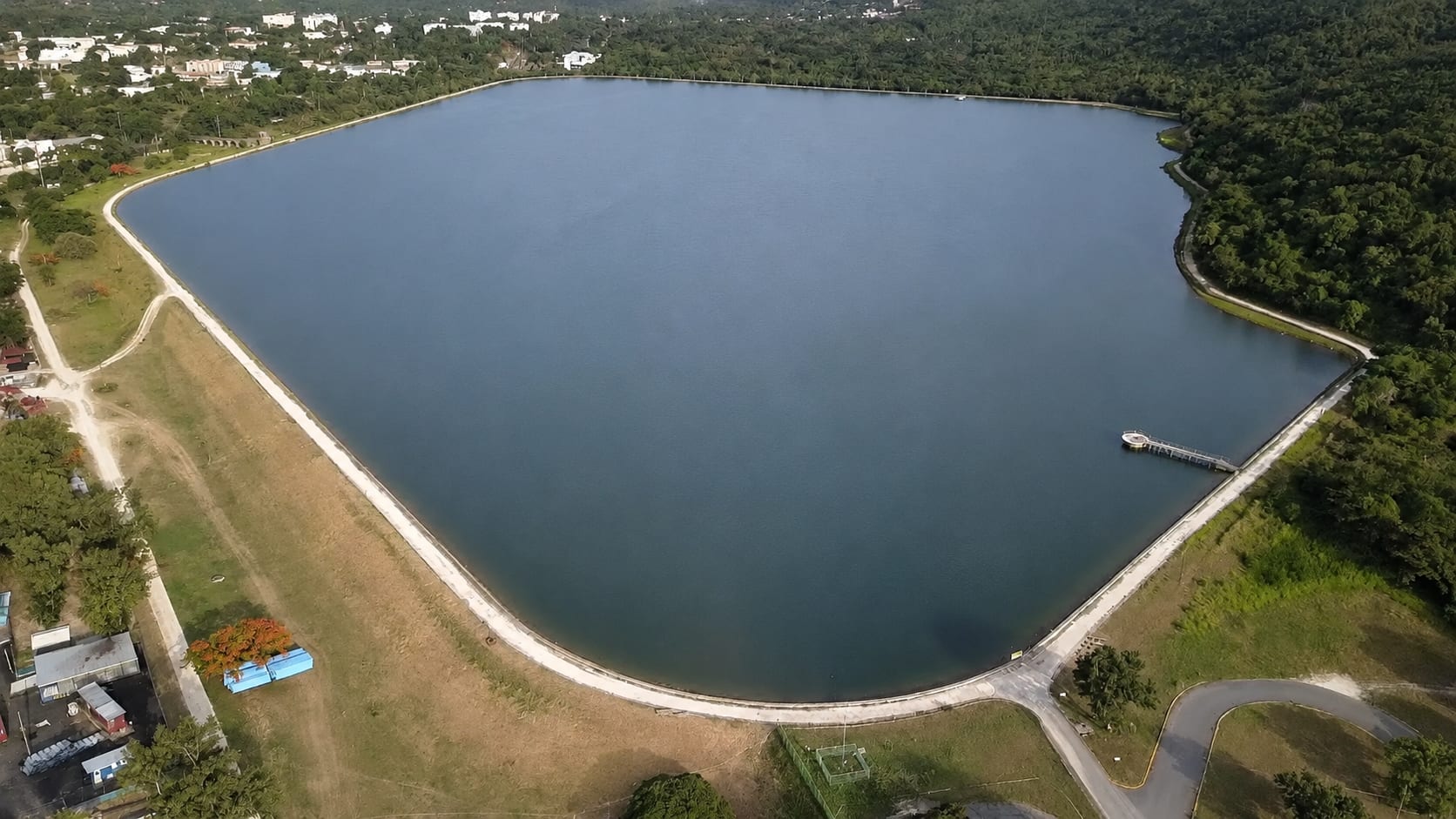
There is another unknown beneath the water at Mona and Hermitage: how much of the country’s precious storage capacity is now occupied by mud? The historical evidence is sobering. A 2014 hydrographic survey commissioned by the NWC calculated Mona’s effective maximum capacity at approximately 752 million imperial gallons against an estimated original design capacity of 825 million—suggesting a deficit of roughly 73 million gallons, equivalent to about 332,000 cubic metres of accumulated sediment. Near the emergency discharge tower, the survey estimated almost eight feet of sand and silt above the level of the valve openings.
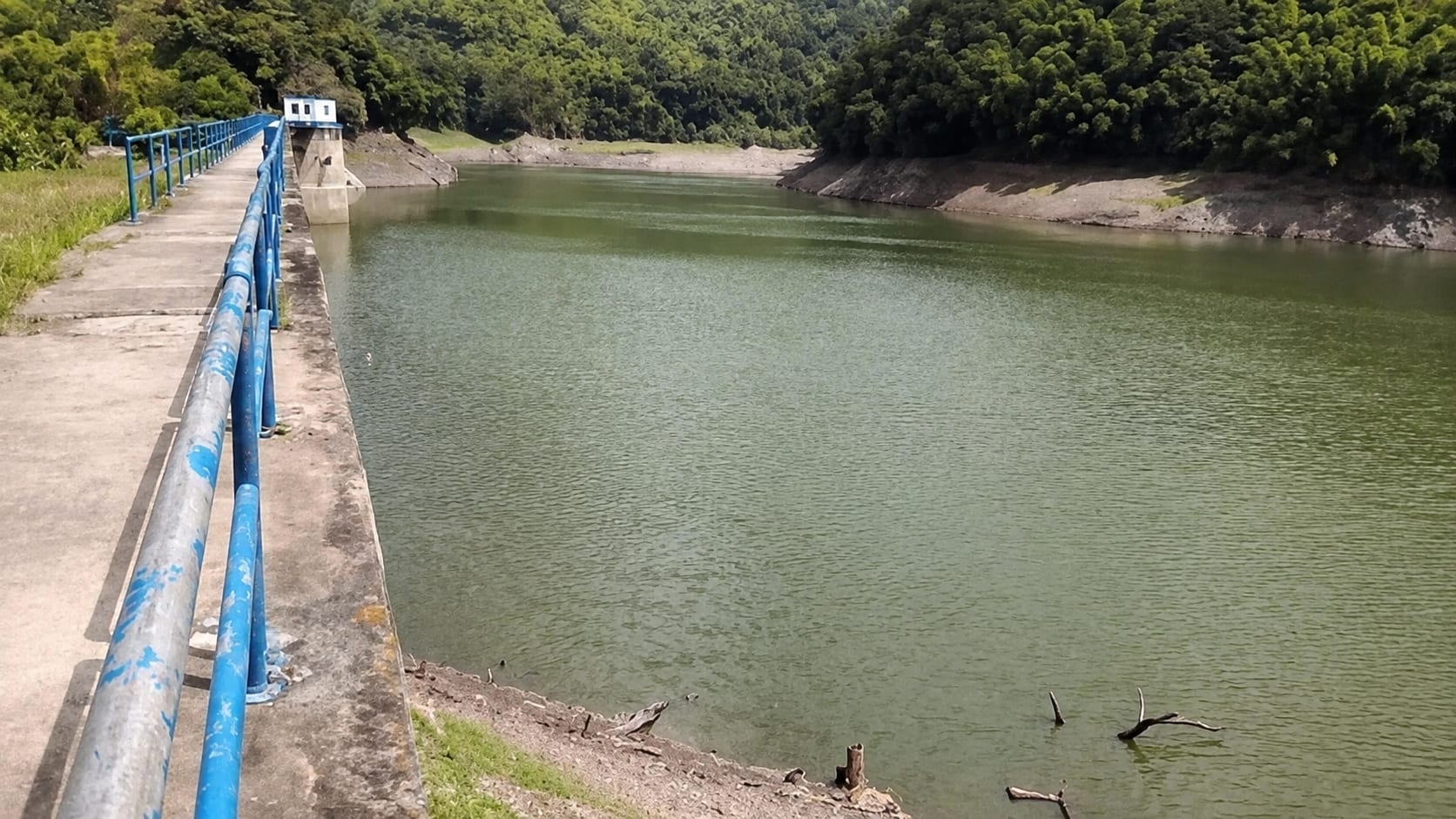
Hermitage appears considerably worse. A 2019 environmental assessment prepared for its rehabilitation reported that sedimentation had reduced the dam’s storage capacity by an estimated 65 per cent, with four of its six intake valves blocked. That raises an obvious practical question: if reservoir levels are already unusually low, should Jamaica be using this period as an opportunity for an accelerated desilting, inspection and rehabilitation programme? Desilting is neither simple nor cheap; engineers must determine what can safely be removed, how contaminated or unsuitable sediment will be handled, where it will be disposed of and whether dredging provides value for money compared with alternative storage investments. But drought should not only be treated as a crisis. It can also create an infrastructure-maintenance window that disappears when the rains return. Government has announced new assessments of sedimentation at Hermitage and storage at Mona, and those studies are important. Yet Jamaica cannot intelligently debate whether it needs another reservoir until it knows precisely how much of the reservoirs it already owns is storing water and how much is storing hillside. If technically and environmentally feasible, recovering lost capacity through desilting may prove to be one of the quickest additional “sources” of water available—not by finding another river, but by reclaiming space that Jamaica has already paid to build.
So what do countries with even less naturally available freshwater do?
In some cases, quite literally, they make water.
Singapore offers perhaps the most fascinating example. It does not rely upon one magical solution. Its strategy is deliberately diversified: capture rainfall, import water, desalinate seawater and recycle treated wastewater into extraordinarily high-quality reclaimed water known as NEWater. Singapore’s water authority describes the philosophy simply: collect every drop, reuse water repeatedly and desalinate seawater. NEWater can already meet around 40 per cent of Singapore’s water needs, while desalination provides another drought-resistant source.
Malta provides another useful comparison. It is a small island with limited natural freshwater resources and relatively low rainfall. Yet in 2022, approximately 64 per cent of its potable water production came from seawater desalination. Malta also produces highly treated reclaimed “New Water” for agriculture, landscaping and industry, reducing pressure on groundwater. Nobody is suggesting that Jamaica should wake up tomorrow morning and desalinate the Caribbean Sea from Negril to Morant Point. Desalination is energy-intensive and expensive. The lesson is not the technology itself. The lesson is diversification.
Jamaica is, importantly, moving in that direction. The long-discussed Rio Cobre Water Treatment Plant at Content, St Catherine is now under construction. The project is designed to produce approximately 15 million imperial gallons per day for Kingston, St Andrew, Portmore and Spanish Town, benefiting more than 600,000 residents. The latest Government timetable projects commissioning in May 2027. That is significant because officials estimate that during Jamaica’s worst recent drought the region’s deficit was approximately 12.5 million gallons daily. On paper, therefore, Rio Cobre could close that particular gap and provide some buffer.
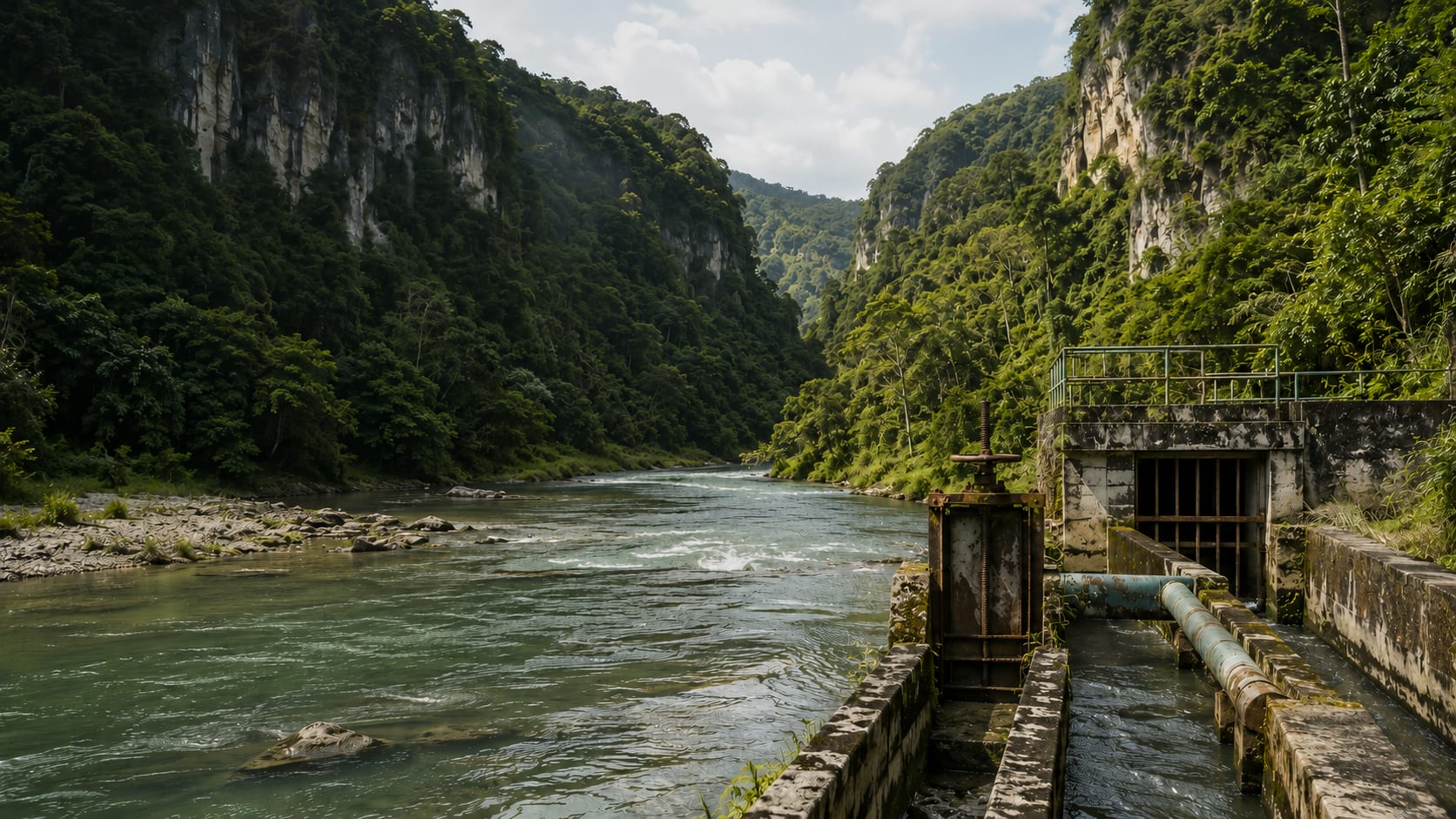
But there is a lesson buried in the project’s history. The Rio Cobre proposal dates back to 2009. It resurfaced repeatedly through different stages of planning, financing, negotiation and public discussion before construction finally commenced. Whatever the legitimate reasons for those delays, seventeen or eighteen years is a long journey between recognising a water-security problem and turning on the solution. Water projects cannot continually become characters in Jamaica’s political theatre—appearing enthusiastically around announcements, budgets and elections and then waiting backstage for the next act. Water infrastructure requires continuity across administrations because pipes, reservoirs and treatment plants do not vote.
And Rio Cobre cannot be the end of the conversation. Jamaica should be examining an integrated water-security strategy built around additional storage, aggressive leakage reduction, watershed protection, aquifer management, mandatory rainwater harvesting in appropriate new developments, wastewater reuse for agriculture and industry, and carefully targeted desalination where the economics make sense. Large commercial users do not necessarily need drinking-quality water for every industrial purpose. Every gallon safely reclaimed for irrigation, cooling or landscaping is potentially a gallon of potable water preserved for households.
There is also an economic argument. Reliable water is infrastructure every bit as important as roads, electricity and broadband. A developer cannot build thousands of homes without knowing where their water will come from. Hotels cannot expand indefinitely on assumptions. Neither can factories, hospitals or entire communities. Public investment planning should therefore require major developments to demonstrate not merely that a pipe passes nearby, but that sufficient sustainable production and distribution capacity actually exists.
Conservation will always matter. Obviously, Jamaicans should not wash driveways with drinking water during a drought and then complain that Mona is empty. Prohibition orders have their place. But conservation cannot become a substitute for investment. There comes a point when telling households to use less water because the system cannot reliably provide enough begins to resemble telling motorists to drive less because nobody expanded the road.
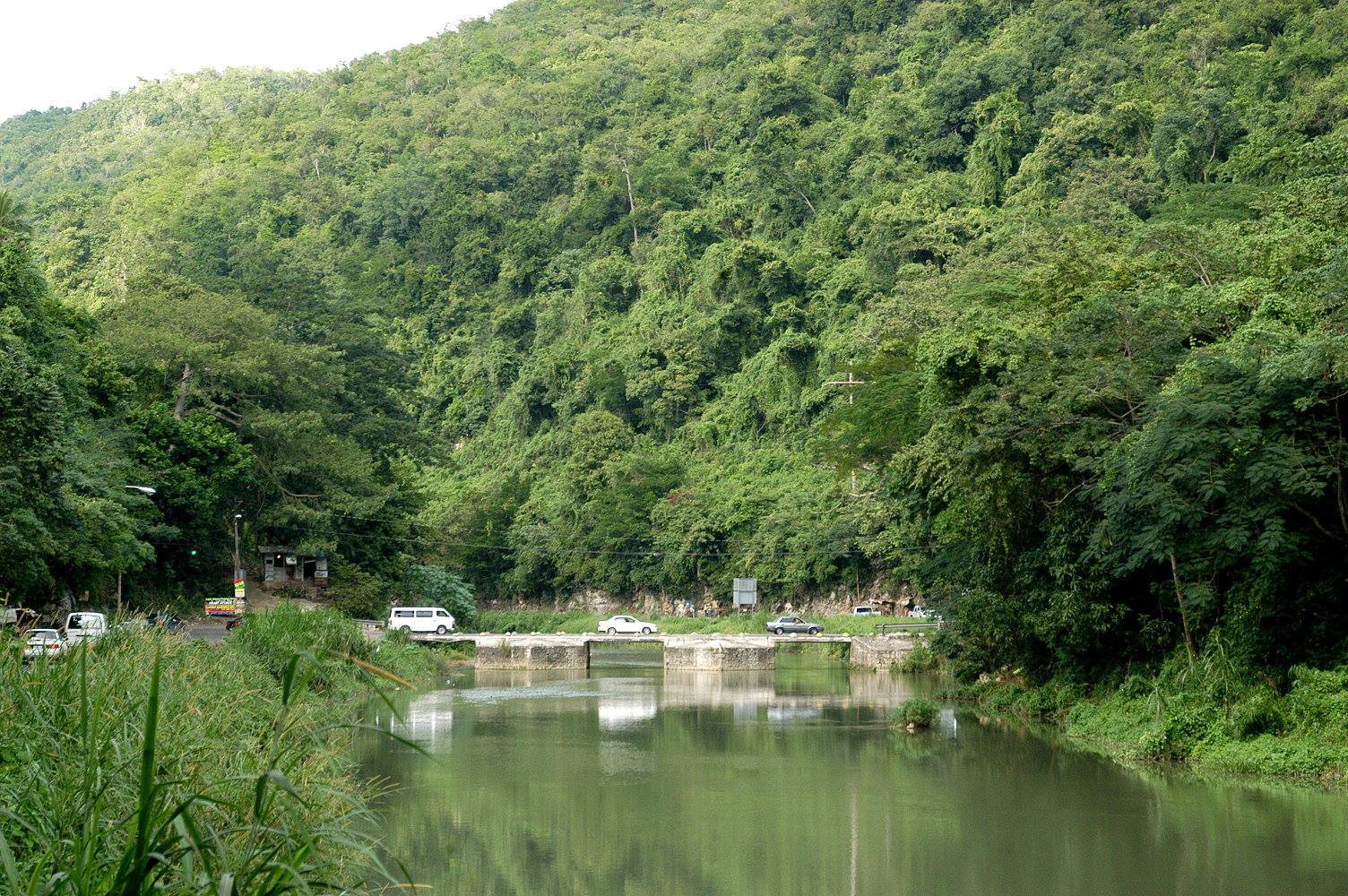
Finally, there is the intriguing case of the Bog Walk Gorge. In 2014, the Government signed an agreement to study the feasibility of damming the gorge, potentially creating a 1.9-billion-gallon reservoir serving St Catherine and the Kingston Metropolitan Area. The proposal was abandoned in 2016 amid concerns about the area’s limestone geology, seepage risks and the cost of making the basin watertight. Instead, attention shifted toward treating and transferring Rio Cobre water, now reflected in the Content/Rio Cobre project. Those engineering concerns may have been entirely justified. But amid today’s recurring shortages, one question remains worth revisiting: was the Bog Walk reservoir genuinely unworkable, or was a potentially important long-term option discarded before the public ever saw the full feasibility case?
By now, the reader should have recognised that this commentary is about more than water, reservoirs and treatment plants. It is fundamentally about public investment planning and the importance of anticipating the infrastructure a growing economy will need. Jamaica’s recurring water shortages are hardly unpredictable. Every few years, the country confronts some version of the same problem, with July and August often producing an uncomfortable combination of intense heat, inadequate rainfall and water restrictions at precisely the time when the rainy season might be expected to bring relief. Recurring problems cannot forever be managed as temporary emergencies. At some point, they become structural challenges requiring long-term solutions. Policymakers must therefore decide how the KMA’s water infrastructure will be strengthened to meet not only today’s demand, but the housing, population and economic growth of the decades ahead. That, after all, is the essence of sound public investment planning: building for the future before the future arrives.
“Water is Life” was perhaps more profound than its creators intended. If water truly is life, then water security cannot simply be an NWC concern. It sits at the intersection of economic development, housing, environmental management, climate resilience, agriculture and, ultimately, national security policies.
The rain will eventually return. Mona will rise. Hermitage will recover. The restrictions will disappear, and Jamaicans will happily turn their taps again.
That is precisely when the country must resist forgetting the problem.
Because the real test of water policy is not what Jamaica does when the dam is at 30 per cent.
It is what Jamaica builds when the dam is at 100 per cent.
Douglas Martin Levermore, MBA, JP, is an independent management consultant and the founding Executive Director of Jamaica’s Public Investment Management Secretariat (PIMSEC)—the government unit established to strengthen project appraisal, fiscal discipline, and oversight of public investment, now known as the Public Investment Appraisal Branch (PIAB) within the Ministry of Finance and the Public Service. He also serves as a FINRA arbitrator and a commissioned Notary Public in the Commonwealth of Virginia. He is available for select international consulting, advisory, keynote speaking, and project-based engagements and may be contacted at [email protected]. These reflections are written with the generous gift of a stranger whose kindness gave him more time—a tribute to the organ donor whose legacy lives on through every word.





Comments