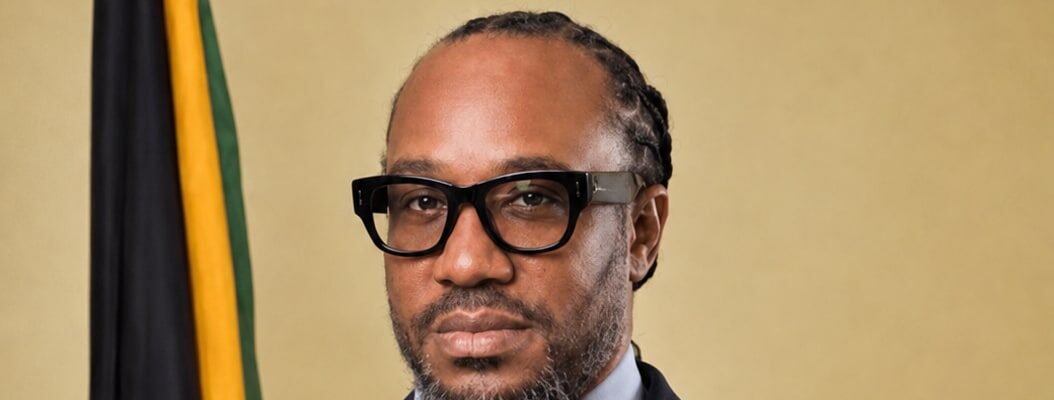
Isat Buchanan condemns insensitive “Slow Learners” headline; calls for accountability and retraction from the Gleaner

/ Our Today
administrator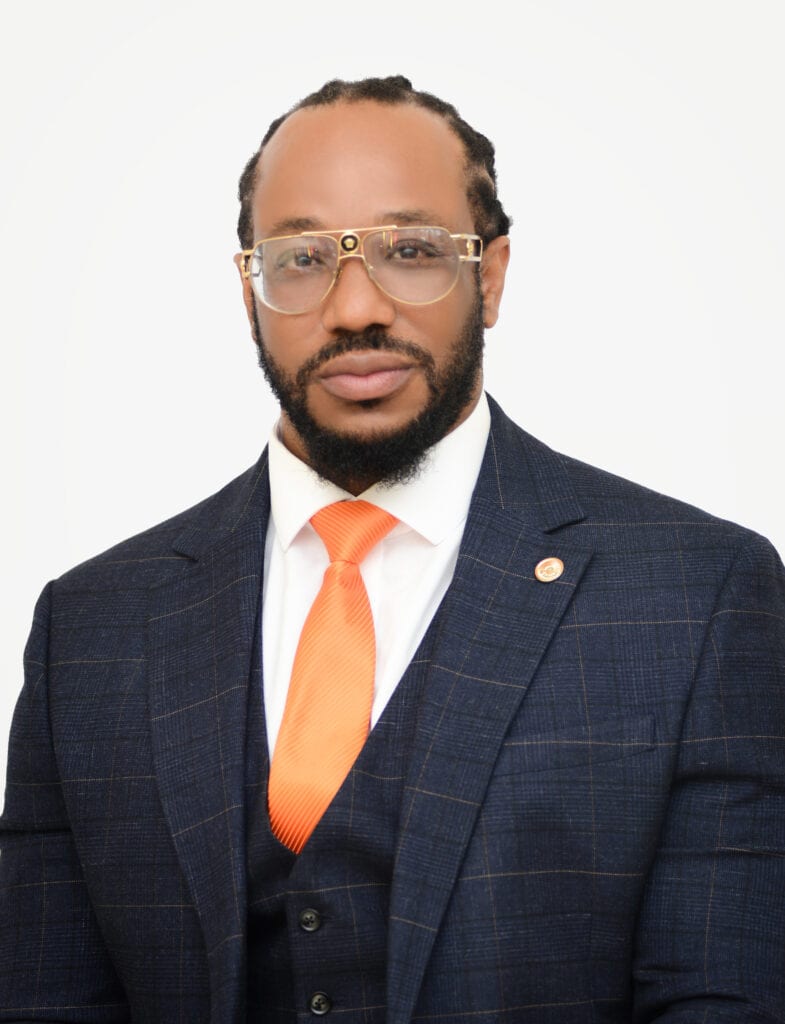
I am deeply disappointed and disturbed by a recent Gleaner article published under the headline “Slow learners’ shine at CSEC.”
I find that headline profoundly disparaging and insensitive, particularly when the very substance of the article celebrates the remarkable academic achievements of two young Jamaicans, aged just 13 and 14, young grades 8 and 9 students Andrelissa Brown and Tegan Brown of St Thomas Technical High School, who have made a giant academic leap by excelling in the Caribbean Secondary Education Certificate examinations. How do we celebrate the extraordinary achievements of children by branding them “slow learners”?
At 13 and 14 years old, these young people have demonstrated determination, resilience, intelligence, and academic achievement well beyond what many would expect at their age. Their accomplishment should be celebrated without attaching a label that can diminish their achievement or potentially follow them throughout their educational journey. Words matter. Headlines matter.
The media has tremendous power to shape how our children see themselves and how society sees them. When a young person achieves something extraordinary, particularly after overcoming educational challenges, the responsibility of the media should be to amplify the achievement—not define the child by a perceived limitation. I am therefore calling on The Gleaner Company to take accountability for this headline, publicly apologise to these young achievers and their families, and retract the headline.
Unfortunately, I fear this is becoming part of a growing pattern of insensitivity within sections of our journalism and broadcasting fraternity. I recently heard a clip involving a current broadcaster/journalist in which a song associated with the now-deceased entertainer Kuku du was reframed in reference to an issue that remains an open and painful wound for many Jamaicans—landlessness.
What concerns me further is that, according to the clip, persons who criticised the statement were subsequently described as “mental midgets.” That language is unacceptable. It is particularly troubling when journalists rightly demand accountability from public figures for their words yet appear unwilling to apply the same standard of restraint and accountability to themselves.
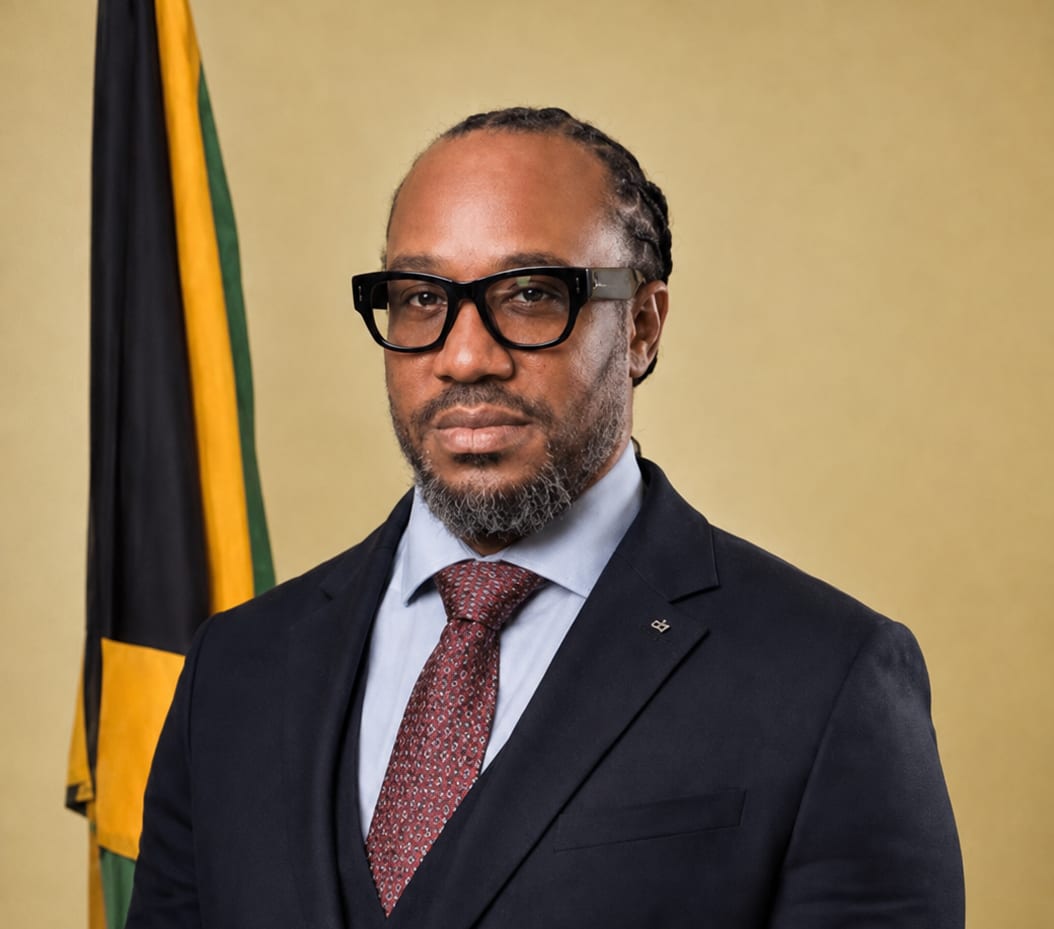
Let me be clear: journalists and broadcasters absolutely have the right to criticise public officials, including me. I have experienced that criticism personally. When a statement I made was taken out of context, journalists and commentators made their views very clear. That was their right, and I defended their right to express those opinions. But freedom of expression is not freedom from accountability.
If we demand that politicians exercise care with their words, then journalists and broadcasters must exercise the same discipline. If we condemn language that demeans one group of people, we cannot simultaneously excuse similar language when it comes from members of the media.
WE MUST BE CAREFUL WITH OUR CHILDREN
As Opposition Spokesperson on Youth and Human Rights, I am particularly concerned about the use of labels such as “slow learner” in relation to children. If the phrase is being used in any Government policy document,
educational framework, or official classification, I believe it is time for the Ministry of Education and the relevant authorities to review that terminology as well. Language used by institutions can have lasting consequences.
We should be moving toward language that recognises individual learning needs, developmental differences, and educational support requirements without unnecessarily stigmatising children. No child wants to be told that they are a “slow learner.” No parent wants their child publicly reduced to such a label.
I therefore call on The Gleaner to:
- Retract the “Slow learners’ shine at CSEC” headline;
- Publicly apologise to the two young achievers and their families;
- Review its editorial practices concerning the description of children and students;
- Encourage greater sensitivity in reporting on children with different learning needs
- Engage in a broader conversation about responsible journalism and the impact of language.
I similarly call on journalists, broadcasters, commentators, and media personalities across Jamaica to exercise greater restraint. We cannot demand accountability from everyone else while exempting ourselves.
We cannot speak about protecting the dignity of our children while casually using language that diminishes them. We cannot champion human rights while forgetting that dignity is itself a fundamental human-rights value.
The Jamaican media is an essential pillar of our democracy. I respect the role journalists play in holding governments, politicians, institutions, and individuals accountable. But that power must be exercised responsibly. I congratulate these two young Jamaicans for their outstanding achievements. Their story should be one of triumph, not stigma. Let us celebrate what they accomplished. Let us protect their dignity. And let us ensure that the language we use about Jamaica’s children helps them rise—not teaches them to believe that they are somehow less than they are.




Comments