Pamela Redwood | Social media warriors: Fighting each other while the powerful keep winning

/ Our Today
administrator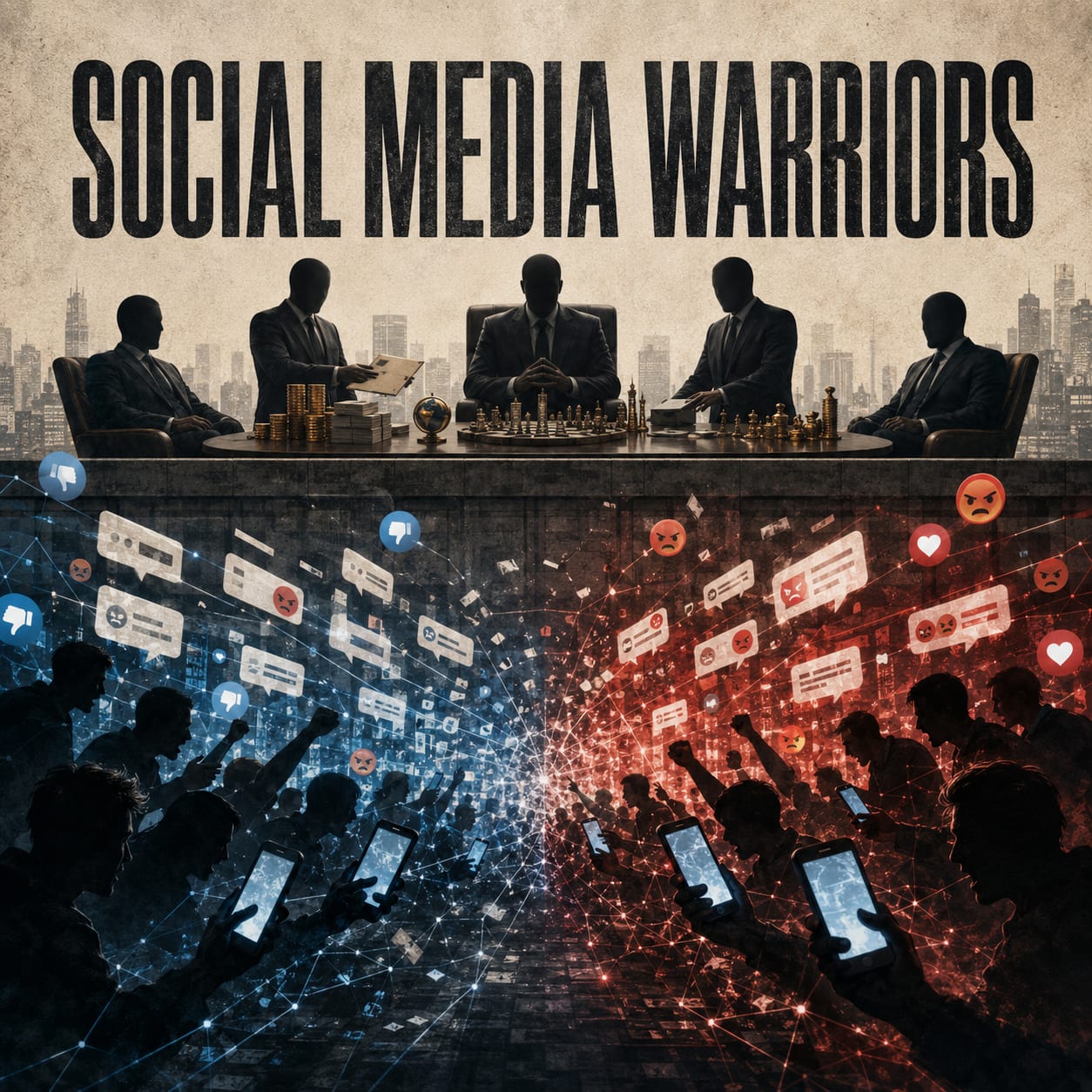
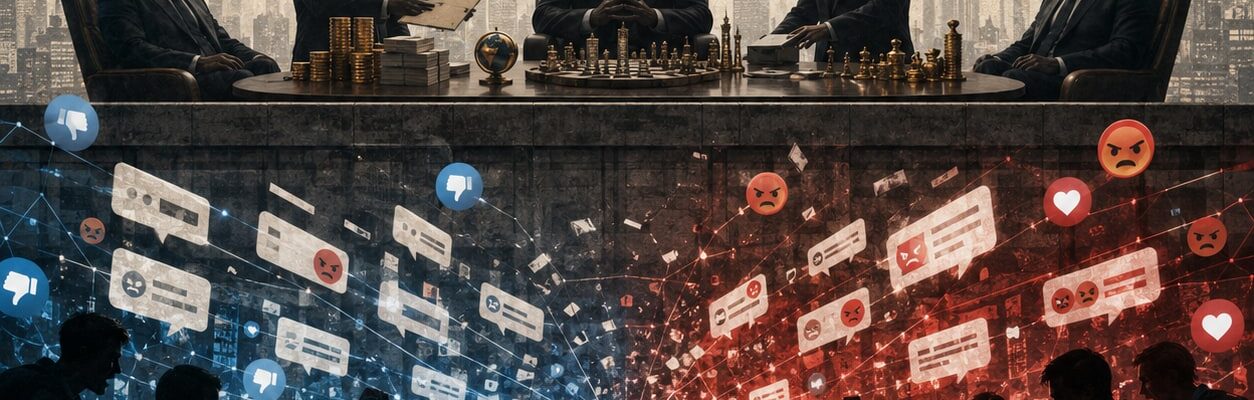
It is both interesting and deeply troubling to watch how some of Jamaica’s less privileged and less fortunate citizens have turned social media into a battlefield, attacking, denigrating and abusing one another over partisan politics.
Some defend political parties with a passion that is difficult to understand. Others appear to have become political mouthpieces, repeating speaking notes and talking points prepared by others. Some may even be compensated for doing so.
But there is a sad irony in all of this.
When the political battle is over and the social media posts have disappeared, these same individuals must still face the realities of everyday life.
If one of them becomes seriously ill, will a private airlift come for them? If they cannot afford medical care, will the political party they defend pay the bill? If they lose their job and cannot feed their family, will those political masters come to their assistance?
And God forbid that some of them live on land that someone more powerful wants. Will their political loyalty save them when the bulldozers arrive?
These are questions worth asking because too many ordinary Jamaicans have become so consumed by partisan politics that they sometimes fail to recognize how much they have in common with the very people they are attacking.
The struggling Jamaican who supports the PNP and the struggling Jamaican who supports the JLP may disagree politically, but they may both be struggling with the same high food prices, healthcare challenges, housing difficulties, educational expenses, crime and limited economic opportunities.
So why are we fighting each other?
Who benefits when the poor and working class are fighting among themselves?
History offers an uncomfortable lesson.
During the era of slavery, those who controlled the system understood the power of division. The oppressed could be separated, classified and placed against one another. Divide people, create distrust among them and keep them competing with each other, and it becomes much easier for those at the top to maintain control.
Jamaica today is not a society of slavery, and we must not pretend that today’s circumstances are identical to that horrific period of our history. But the broader lesson of divide and rule remains relevant.
Social media has simply given that old political strategy a new platform.
Today, a person can wake up, pick up a phone and spend hours attacking another Jamaican because that person supports a different political party. They may defend a politician they have never met while insulting someone who lives in the same community and faces the same struggles.
Meanwhile, important national questions can disappear beneath the noise.
Where is the discussion about the cost of living?
Where is the sustained outrage about access to healthcare?
Where is the conversation about affordable housing?
Where is the national demand for better education?
Where is the outrage when young Jamaicans cannot find decent employment or see a future for themselves at home?
Where is the insistence that every government account for how public money is spent?
Instead, too often, social media becomes filled with political insults, character assassination, memes, propaganda and carefully crafted talking points.
And while ordinary Jamaicans are fighting each other, the powerful continue to exercise power.
That should concern all of us.
Political parties need supporters. Democracy requires political participation. There is nothing wrong with supporting a political party or defending a political position.
But there is a difference between political loyalty and political blindness.
No political party should become more important than the Jamaican people.
No politician should be above scrutiny simply because they wear the colours we support.
And no citizen should be expected to surrender their ability to think critically because a political party has given them a particular set of speaking notes.
We should be able to say, “I support my party, but I disagree with this policy.”
We should be able to say, “My government has done something wrong, and I demand an explanation.”
We should be able to hold the Opposition accountable while also demanding accountability from the government.
That is what responsible citizenship looks like.
Instead, we have created a political culture where some people seem more offended when someone criticises their political party than when their own circumstances deteriorate.
That is dangerous.
Because while citizens are busy defending politicians online, their children’s future does not become more secure.
Their mortgage does not become cheaper.
Their rent does not decrease.
Their grocery bill does not disappear.
Their medical expenses do not magically get paid.
And political insults will not put food on the table.
The question therefore should not be, “Which political party are you fighting for?”
The question should be, “What are you demanding from the political system that governs your life?”
Imagine if the energy being spent attacking each other on social media were redirected toward demanding accountability from every political party.
Imagine if Jamaicans said:
“I will support you, but you must deliver for the people.”
“I will vote for you, but I will not surrender my right to question you.”
“I will defend your good decisions, but I will also condemn your failures.”
That would create a far more powerful citizenry.
The greatest threat to entrenched power is not poor people arguing with one another. It is ordinary people discovering that they have common interests and collectively demanding better.
That is why Jamaicans must be careful about becoming social media warriors for political causes that do not improve their own lives.
Ask yourself: When the politician goes home, where does that leave you?
When the campaign ends, what remains?
When the speaking notes stop coming, what happens to your family?
When you become sick, who will be there?
When your child cannot afford university, who will pay?
When you cannot afford your rent or mortgage, who will help?
And when your community is threatened by displacement, will your political loyalty protect you?
These questions are not about PNP or JLP.
They are about power, privilege and the Jamaican people.
The privileged have always understood something that ordinary people must never forget: divided people are easier to control.
If we continue fighting each other while our rights, opportunities and economic security are being eroded, we may wake up one day and discover that we have spent all our energy defending a system that has done very little to defend us.
By then, it may be too late.
The politicians will move on.
The powerful will remain powerful.
The privileged will continue to find ways to protect their interests.
And ordinary Jamaicans will be left to deal with the consequences.
Political parties are temporary.
Governments change.
Leaders come and go.
But the Jamaican people remain.
Perhaps it is time to put down the political weapons we have been handed and start asking better questions.
Instead of attacking the Jamaican who votes differently, ask what both of you need.
Instead of defending every political decision, demand accountability.
Instead of allowing social media to turn neighbour against neighbour, use it to organize citizens around the issues that affect all of us.
Because the person you are insulting online may not be your enemy.
They may be just as hungry.
Just as frustrated.
Just as vulnerable.
Just as worried about their children’s future.
And just as powerless when confronted by those with greater economic and political influence.
The real question is not whether we can defeat each other on social media.
The real question is whether we will continue allowing ourselves to be divided while others continue to win.
Jamaica deserves better than a population fighting itself while the powerful make the decisions.
It is time for citizens to recognize their collective power.
Stop fighting each other. Start demanding better from everyone who seeks the power to govern us.
Comments