Stafford Brown | Educating for Liberation: Reclaiming Garvey’s Vision in the 21st Century

/ Our Today
administrator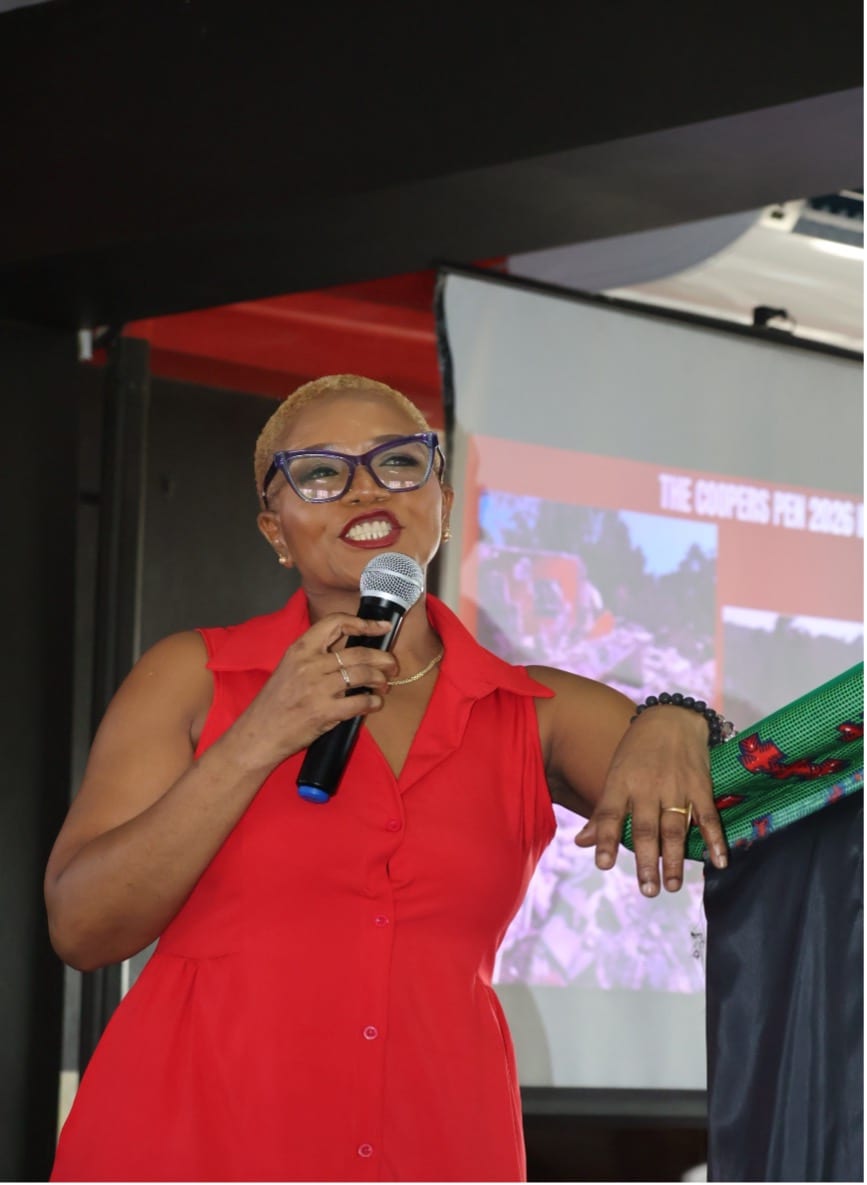
Remembering Garvey
Gathering at the Garvey Great Hall inside Liberty Hall for the 17th Annual Marcus Mosiah Garvey Lecture and Harambee, one central truth underscored the proceedings: Jamaica’s First National Hero, the Right Excellent Marcus Mosiah Garvey, remains a visionary far ahead of his time.
Garvey was the founder of the Negro Factory Corporation and co-founder of the Universal Negro Improvement Association and African Communities League (UNIA-ACL) an organisation that, at its peak, comprised 1,056 divisions worldwide, according to Professor Emeritus Rupert Lewis (2009). Regarded by Ghana’s first president, Kwame Nkrumah, as a foundational pillar of Pan-Africanism, Garvey stood as a champion of Black self-reliance. Yet, as this year’s lecture highlighted, one of the most devastating legacies of colonialism was not merely the loss of land, but the psychological toll of making Black people feel unfinished, as if something about our identity inherently required fixing.
Restoring the Mirror
Reflecting on the lecture’s core theme, one sees how this psychological imprint persists today. Debates continue over whether dark skin is beautiful, Eurocentric hair textures are favoured over natural hair, and foreign accents are equated with intelligence while local dialects are branded primitive. Colonialism was not just about taking territory; it was about stripping away our ‘mirror of identity’. It conditioned societies to view native heritage as backward: our languages, attire, names, spiritualities, foods, and governance structures. External forces became the arbiters of whether colonised peoples were modern or civilised enough. Dismantling this lingering conditioning requires moving beyond standard schooling; it demands educating for liberation.
A Message from Liberty Hall: The Legacy of Marcus Garvey
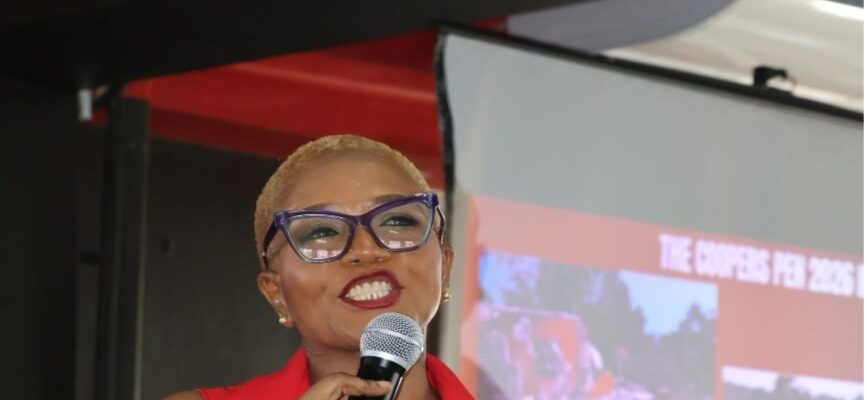
This mandate took centre stage during the keynote address presented by Professor Donna P. Hope (UWI), under the theme “Educating for Liberation: Reclaiming Garvey’s Vision in the 21st Century.” Professor Hope challenged modern Caribbean society to confront a fundamental question: Is the true purpose of education merely to prepare individuals for the labour market, or is it to liberate minds, build character, and drive national advancement? Grounding her argument in Garvey’s philosophy, Professor Hope contended that education must serve as a catalyst for self-determination and identity formation rather than mere credentialing. Pointing to contemporary socio-cultural struggles, she argued that public historical education remains an urgent necessity to equip citizens with a critical understanding of their roots and rights.
Reclaiming the Blueprint
Professor Hope demonstrated how Garvey’s philosophy offers concrete solutions for contemporary challenges. She emphasised that structural progress requires mental emancipation, cultural reclamation, and economic self-reliance, integrating financial literacy, entrepreneurship, and practical trades into everyday learning. Concluding her address, Professor Hope outlined seven specific principles through which educating for liberation must occur: modern education must be historically grounded, culturally confident, intellectually rigorous, technologically adept, economically purposeful, socially conscious, and self-directed.
The Mandate for Modern Jamaica
Operationalising these seven principles requires asking difficult questions of our national institutions. What does a “culturally confident” curriculum demand of Jamaica’s schools regarding dress codes and language policies? How must policymakers reorient funding to prioritise technical mastery alongside academia? What responsibility falls upon cultural institutions, like Liberty Hall, to ensure history is lived in our communities? And what does “self-directed” liberation require of individual citizens?
Reclaiming Garvey’s vision is about deciding who holds the mirror for our future. Education must give us back that mirror, serving as the primary engine for true national sovereignty.
Stafford Brown is Research Officer at Liberty Hall





Comments