Lafid | Facts are stubborn things: Democratic socialism and the Jamaica of the 1970s

/ Our Today
administrator
“Facts are stubborn things; and whatever may be our wishes, our inclinations, or the dictates of our passions, they cannot alter the state of facts and evidence.”
— John Adams
In recent times, there has been an uptick in political discourse about ideology. Words such as socialism, democratic socialism and communism are frequently thrown into the public space, sometimes with little distinction between them. Historical events are selectively recalled, political labels are weaponised, and complex periods of our history are reduced to convenient slogans.
That may be effective politics. It is not necessarily good history.
In the Sunday Gleaner of August 23, 2025, Rev Sean Major-Campbell, in his article, “Lying Becoming the New Norm”, lamented what he saw as a growing willingness among political leaders to lie without consequence. He reflected on an earlier era when being caught in a serious lie could bring sufficient shame and accountability to force a leader’s resignation.
His observation caused me to reflect on our current political rhetoric and, in particular, the way we discuss Jamaica in the 1970s.
This is not an attempt to tell Jamaicans which political party to support. Neither is it an attempt to romanticise the 1970s. Jamaica experienced genuine hardship during that decade. Rather, it is an appeal for us to examine the entire historical record before assigning responsibility for what occurred.
In the Jamaica Observer of August 23, 2026, Senator Abka Fitz-Henley attributed many of Jamaica’s difficulties during the 1970s to democratic socialism. The hardships to which he referred were real. Jamaica experienced severe economic contraction, unemployment, shortages, political violence, declining investor confidence, migration and enormous pressure on the country’s foreign-exchange position.
But acknowledging those outcomes is different from establishing that democratic socialism, by itself, caused them.

What Was Democratic Socialism Trying to Achieve?
Democratic socialism, as advocated by Michael Manley, sought to reduce the enormous inequalities that existed within Jamaican society while retaining parliamentary democracy, elections and private ownership.
It should not simply be conflated with communism.
There is an important distinction between a democratic socialist system operating through competitive elections and a Marxist-Leninist one-party state in which political and economic power is concentrated in the state. Yet in political rhetoric these distinctions are frequently blurred because the word communism carries a far greater emotional charge.
Once socialism is automatically equated with communism, discussion can quickly give way to fear.
The relevant question, therefore, should be: What actually happened in Jamaica?
The Manley Government introduced or expanded policies intended to transform the possibilities available to ordinary Jamaicans. Access to education was widened. Labour rights were strengthened. Measures promoting equality for women were introduced. Housing and land ownership received greater attention. The social safety net expanded.
For many Jamaicans, particularly those from poor and rural communities, education represented something profoundly important: mobility.
A child did not necessarily have to remain trapped by the circumstances into which he or she was born.
That mattered.
It helps explain why, despite worsening economic circumstances during Manley’s first term, Jamaicans returned his People’s National Party to office with an overwhelming mandate in 1976. Voters were not necessarily acting irrationally. Many had experienced tangible benefits from the social transformation taking place and wanted those changes to continue.
Then the world economy changed
Any serious assessment of Jamaica’s economic experience in the 1970s must also examine what was happening outside Jamaica.
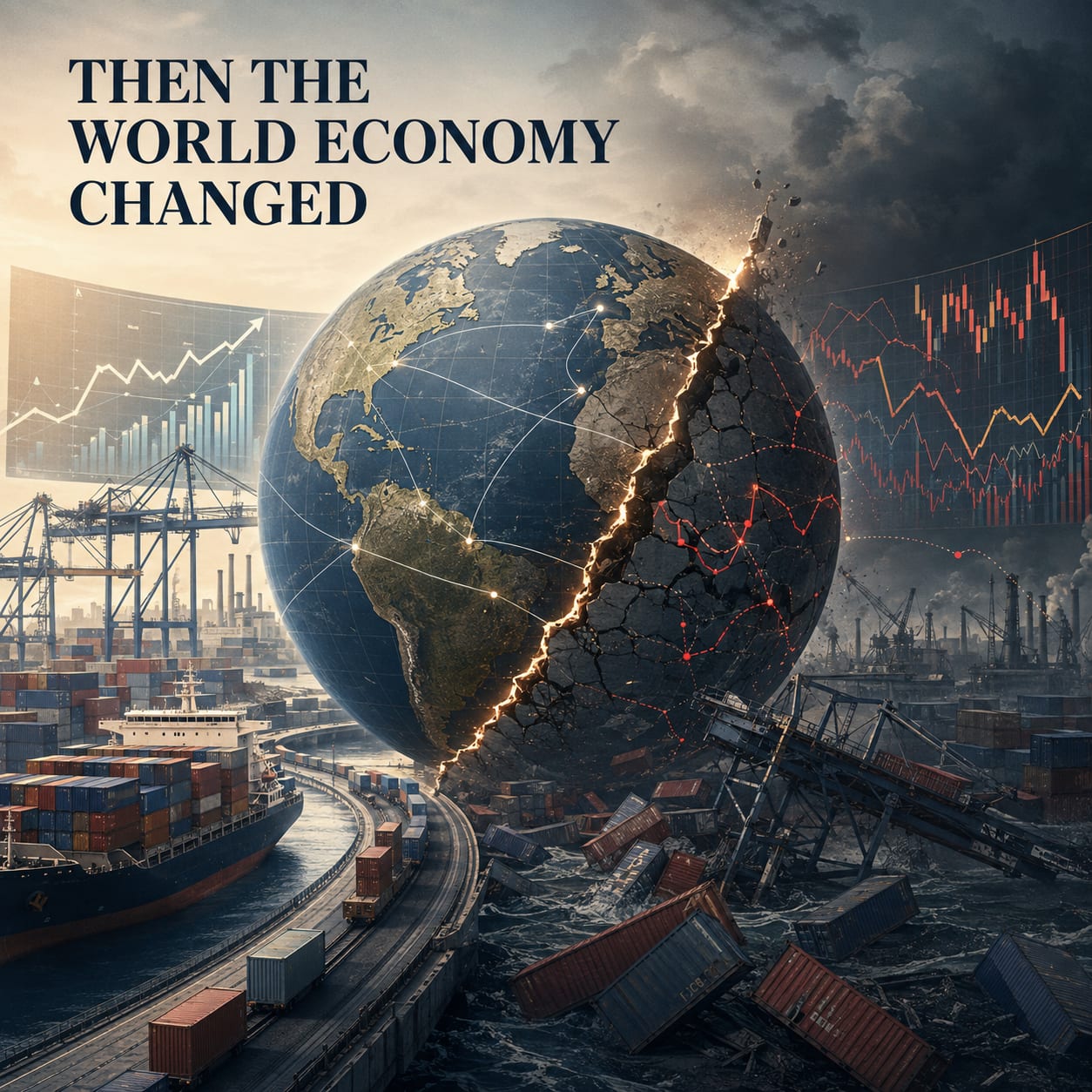
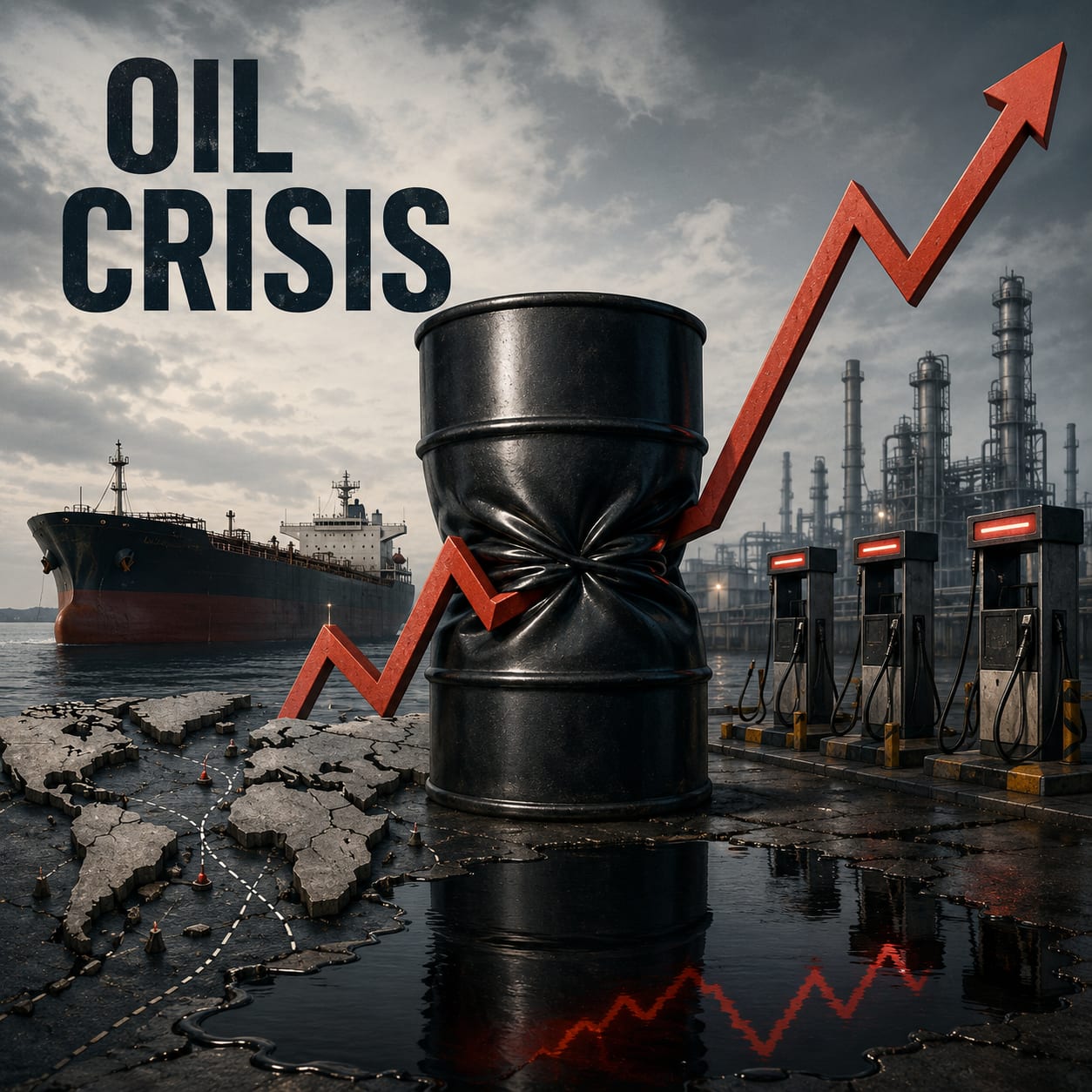
The 1973 Arab-Israeli war was followed by the first global oil shock. International oil prices increased dramatically, creating severe problems for oil-importing developing countries.
Jamaica was particularly vulnerable.
Our economy was heavily dependent on imported petroleum. Oil was needed to generate electricity, move goods and people, operate factories and sustain economic activity generally. A dramatic increase in the cost of petroleum therefore meant a dramatic increase in Jamaica’s import bill and additional pressure on scarce foreign exchange.
Then came the second oil shock at the end of the decade, associated with the Iranian Revolution of 1979.
These were not Jamaican events. They were global shocks.
To discuss Jamaica’s economic deterioration during the 1970s without giving serious consideration to those shocks is therefore to leave out a significant part of the story.
The Government was simultaneously attempting to finance ambitious social programmes, deal with rising import costs and protect a population increasingly exposed to international economic pressures.
Foreign-exchange reserves came under severe strain.
Jamaica eventually entered agreements with the International Monetary Fund, bringing another difficult chapter of adjustment, austerity and economic constraint.
But the Oil Crisis Is Not the Whole Story Either
Intellectual honesty requires us to go further.
Just as it would be simplistic to say, “Democratic socialism destroyed Jamaica”, it would also be simplistic to claim that oil prices alone caused Jamaica’s economic crisis.
There were other factors.
Domestic economic policies mattered. Government spending mattered. Relations between the Government and private sector mattered. Investor confidence mattered. Capital flight mattered. Declining production mattered. Political instability mattered. Jamaica’s relationship with international financial institutions mattered. Cold War geopolitics mattered.
And the extraordinary political violence that engulfed Jamaica during the decade certainly mattered.
The historical question is therefore not whether Jamaica suffered during the 1970s. We know that it did.
The question is why.
And the credible answer is considerably more complicated than one political ideology.
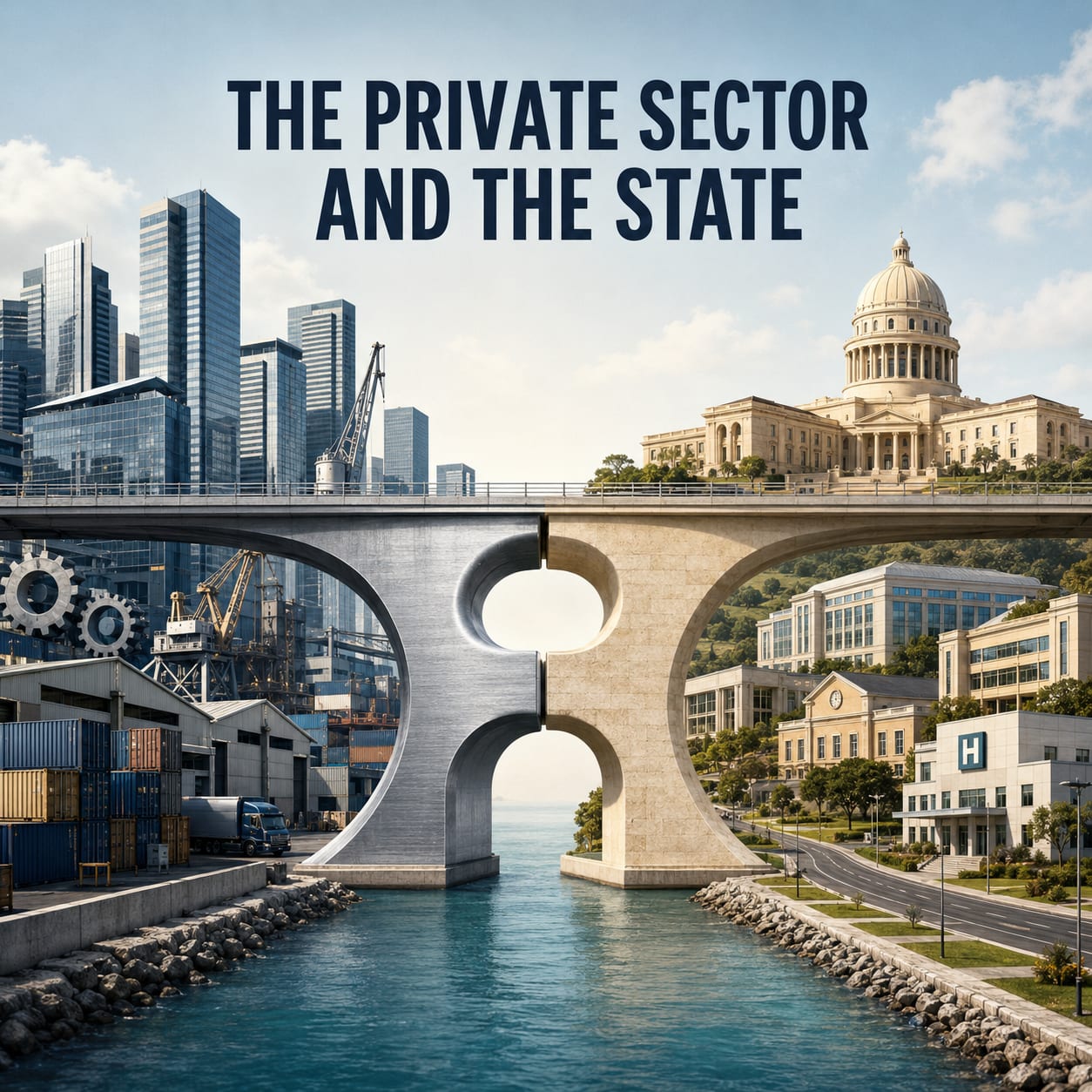
The Private Sector and the State
Manley did not abolish private enterprise. His democratic socialist project envisioned a substantial role for the state alongside private enterprise.
However, relations between the Government and sections of the business community deteriorated severely.
Some business owners feared the direction in which the country was heading. Investment declined and capital left the country. Some Jamaicans with professional skills also migrated, contributing to the well-known “brain drain”.
How we interpret those actions will often depend on our political perspective. Some will argue that capital fled because government policies created legitimate fears about Jamaica’s economic direction. Others will argue that sections of the privileged classes resisted reforms that threatened established economic advantages.
Both arguments deserve examination.
What should not be done is to remove this conflict from the historical narrative and pretend that Jamaica’s economic collapse can be explained by a single word: socialism.
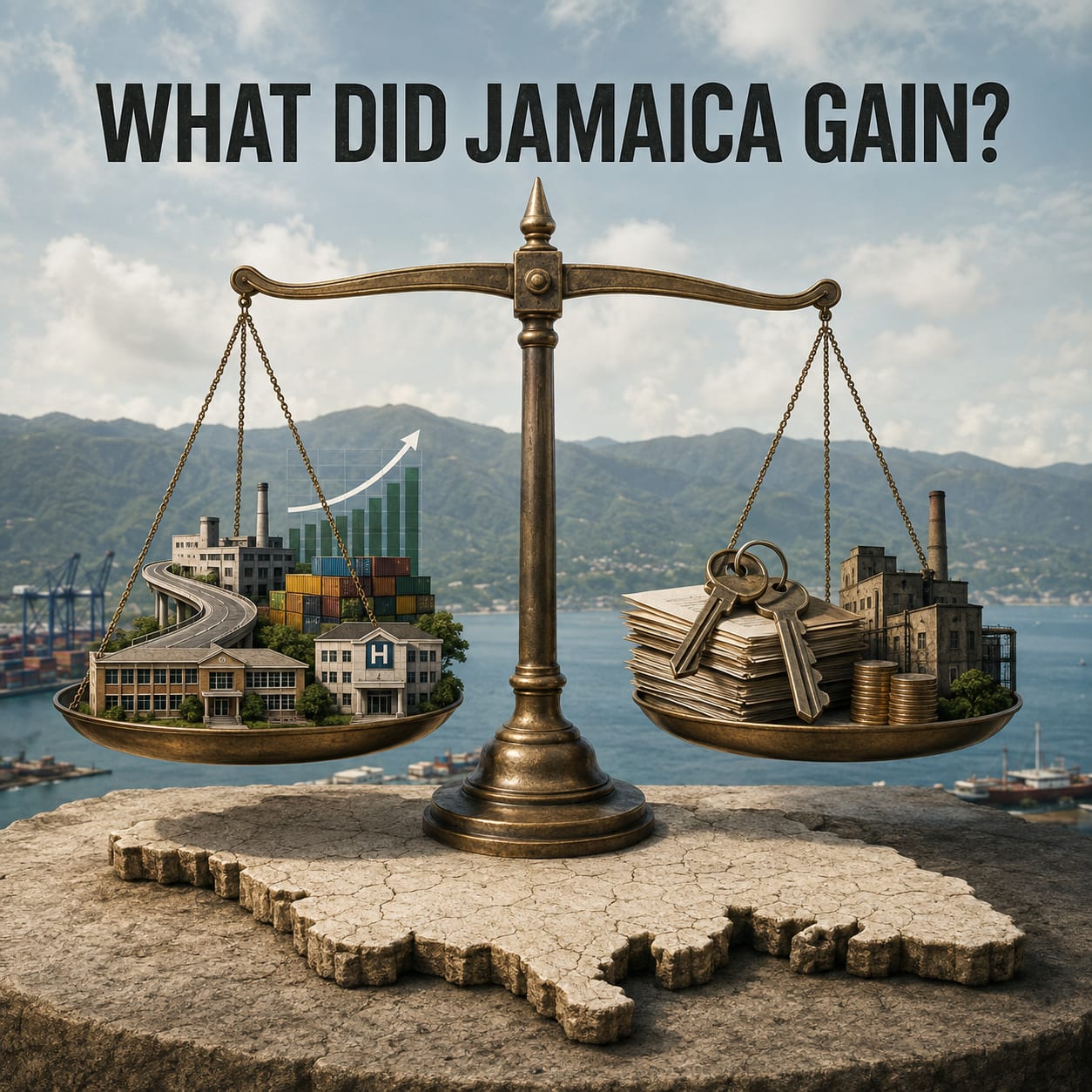
What Did Jamaica Gain?
There is another question worth asking.
If we are going to calculate the cost of the 1970s, should we not also calculate the benefits?
What value do we place on a child from rural Jamaica gaining access to education?
What value do we place on expanded access to home ownership?
What value do we place on stronger workers’ rights?
What value do we place on equal-pay legislation and the advancement of women?
What value do we place on giving Jamaicans from poorer backgrounds the expectation that they were entitled to participate fully in their country?
Economic statistics matter enormously. But societies are not balance sheets alone.
Some of the Jamaicans who later migrated during the difficult years were themselves better equipped to pursue opportunities abroad because of the education and social mobility that Jamaica had helped provide.
That paradox deserves acknowledgement.
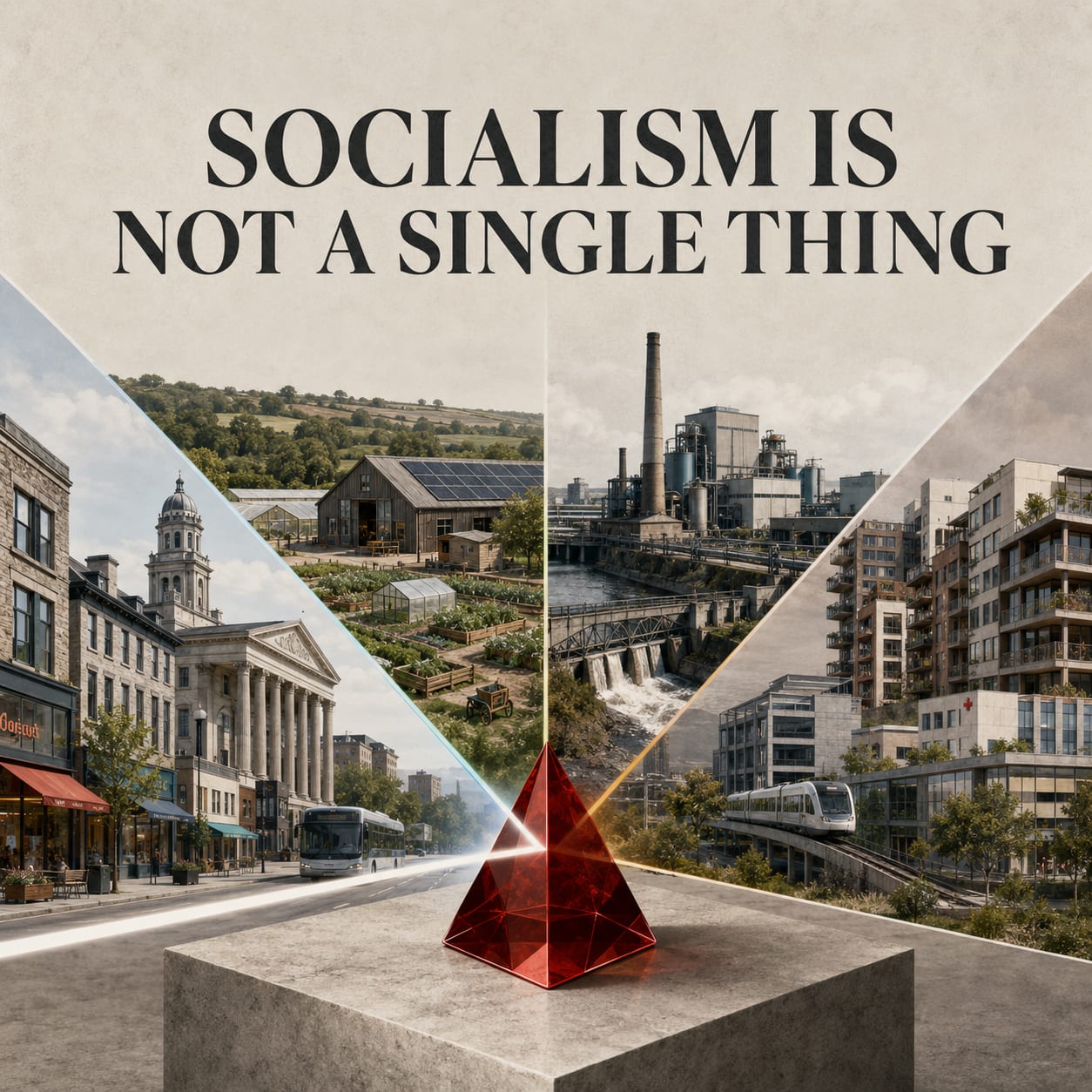
Socialism Is Not a Single Thing
We should also stop pretending that every policy described as socialist inevitably leads to communism.
Senator Bernie Sanders in the United States has long described himself as a democratic socialist while advocating policies such as universal healthcare, stronger social protections and more affordable access to higher education. These proposals are debated vigorously within an unquestionably capitalist and democratic society.
Likewise, many successful capitalist democracies incorporate policies that earlier generations might have described as socialist: publicly funded healthcare, subsidised education, public transportation, social housing, pensions and unemployment protection.
The real debate is therefore not simply capitalism versus socialism.
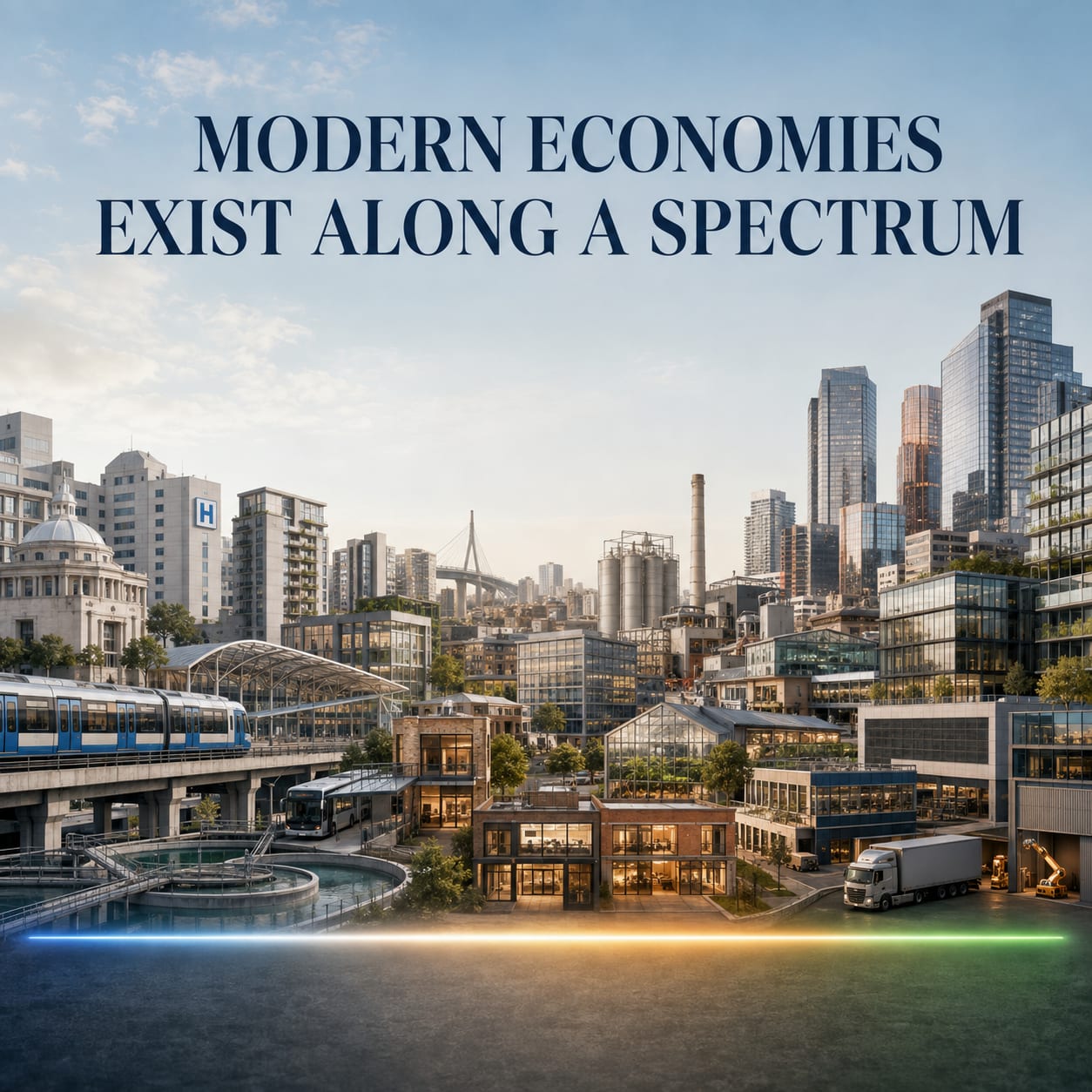
Modern economies exist along a spectrum
The more useful questions concern how much responsibility should rest with the state, how much with private enterprise, how wealth should be generated, how opportunity should be distributed and what minimum standard of education, healthcare and social protection a society owes its citizens.
Singapore is also frequently invoked in these discussions. Lee Kuan Yew’s Singapore combined aggressive pro-business economic development and private enterprise with an unusually strong state, extensive public housing, compulsory savings and significant government involvement in strategic areas of the economy.
That model does not fit comfortably into simplistic political labels either.
And perhaps that is precisely the lesson.

Jamaica deserves a better conversation
We can criticise Michael Manley. We can question particular policies of his administration. We can examine whether expenditure was sustainable, whether government intervention went too far, whether relations with the private sector were mishandled and whether different economic decisions might have produced better outcomes.
Those are legitimate historical and political debates.
But we should conduct them using the complete evidence.
The oil shocks happened.
The foreign-exchange crisis happened.
Capital flight happened.
Political violence happened.
Cold War tensions happened.
Government policy choices happened.
And profound social reforms happened.
All formed part of the same Jamaican story.
So, when we assess the 1970s, the question should not be framed simply as: Did democratic socialism fail?
A more useful question is:
To what extent did Jamaica’s domestic policies contribute to the economic crisis, and to what extent were the ambitions and outcomes of those policies overwhelmed by international oil shocks, structural weaknesses in the Jamaican economy, political instability, capital flight and the geopolitical realities of the 1970s?
That question may not fit comfortably on a political platform.
But it is much closer to the question history requires us to ask.
There is nothing wrong with political parties interpreting history differently. There is something wrong when interpretation becomes distortion and complexity is sacrificed for political convenience.
John Adams’ warning remains relevant more than two centuries later.
Our wishes cannot alter facts. Our political inclinations cannot alter facts. Our passions cannot alter facts.
And neither can fear.
If Jamaica is to have a serious conversation about its past—and about what economic model should guide its future—we should begin not with political bogeymen, but with evidence.
Because facts, inconvenient though they sometimes are, remain stubborn things.


Comments