Earthquake wake-up call: Preparedness measures for your safety

Tamoy Ashman / Our Today
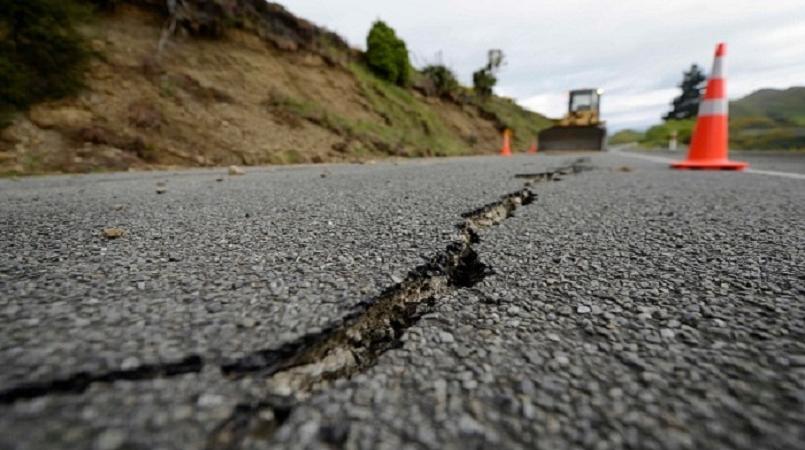
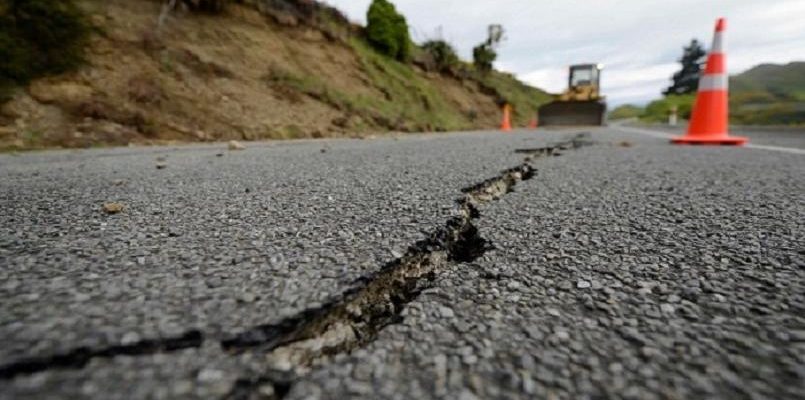
Last night, Jamaica experienced an earthquake that served as a reminder of the urgent need for preparedness in the face of natural disasters.
While the quake was not catastrophic, Jamaicans must equip themselves with the skills and knowledge necessary to protect their lives and property.
According to the Office of Disaster Preparedness Emergency Management (ODPEM), during an earthquake, individuals should follow the duck, cover, and hold procedure. The steps indicate that when an earthquake strikes, people should duck under sturdy pieces of furniture, such as a table, cover their heads with one hand, and hold onto the furniture. If the furniture moves, citizens are urged to move with the items and stay covered until the shaking has stopped.
Citizens are urged to refrain from seeking cover under a bed or any other objects that may collapse.
It is important to note that an earthquake can happen at any time without warning, and advanced planning could be the difference between life and death.

As such, ODPEM believes conducting a hazard hunt is a vital step in disaster preparedness, allowing individuals and communities to identify potential hazards in their surroundings and take proactive measures to mitigate risks.
ODPEM has listed common earthquake hazards, why they are dangerous, and how citizens can make them safer. Here is a list of a few items to consider fixing.
1. Unbolted furniture
During an earthquake, it is easy for things to topple over unless they are properly secured to a wall or the floor. Items listed by OPDEM include what-nots, bookcases, wardrobes, mirrors, freestanding closets, and dressers.
When an earthquake hits, these items can fall and block exits, or create a difficult path to maneuovre when a person is trying to get to a safe space after the shaking has ended. The items could also fall on someone, causing severe injury or death. Bolt furniture items to the floor or wall where possible.
2. Glass display or decor items
Figurines, heavy lamps, and vases are decor pieces often made of materials like ceramic or glass, which can shatter upon impact, creating sharp fragments that may cause injury. The items are also often displayed on open shelves, making it easier for them to fall to the floor.
If you display fragile items on open shelves or tables, use industrial Velcro to attach items to stands or guard rails for your shelves. ODPEM also discourages placing heavy paintings above the beds, desks, or chairs.
3. Beds by the window
Beds placed near windows can be particularly hazardous during an earthquake. When the ground starts shaking, windows are prone to shattering, sending shards of glass flying in all directions. If a bed is situated too close to a window, there is a heightened risk of these glass fragments causing serious injuries to anyone on or near the bed.
If the bed must be next to a glass window, install shatter-resistant plastic film over the glass to hold shattered glass in place and prevent it from flying around the room. Another alternative suggested by ODPEM is tempered glass, which breaks into tiny rounded pieces, but this is more expensive than the film.
4. Gas stoves with rigid feed lines
Gas stoves equipped with rigid feed lines pose a heightened danger during an earthquake due to their inflexibility. When seismic activity occurs, the ground moves unpredictably, and buildings can sway or shift, causing structural stress. Rigid gas feed lines can become strained, leading to potential leaks or even ruptures in the gas supply system.
Flexible gas lines are less likely to break during an earthquake and release gas. Additionally, anchor the gas cylinder to the wall with chains, and if you are cooking, turn off the stove before taking cover.
5. Houses not bolted to the foundation
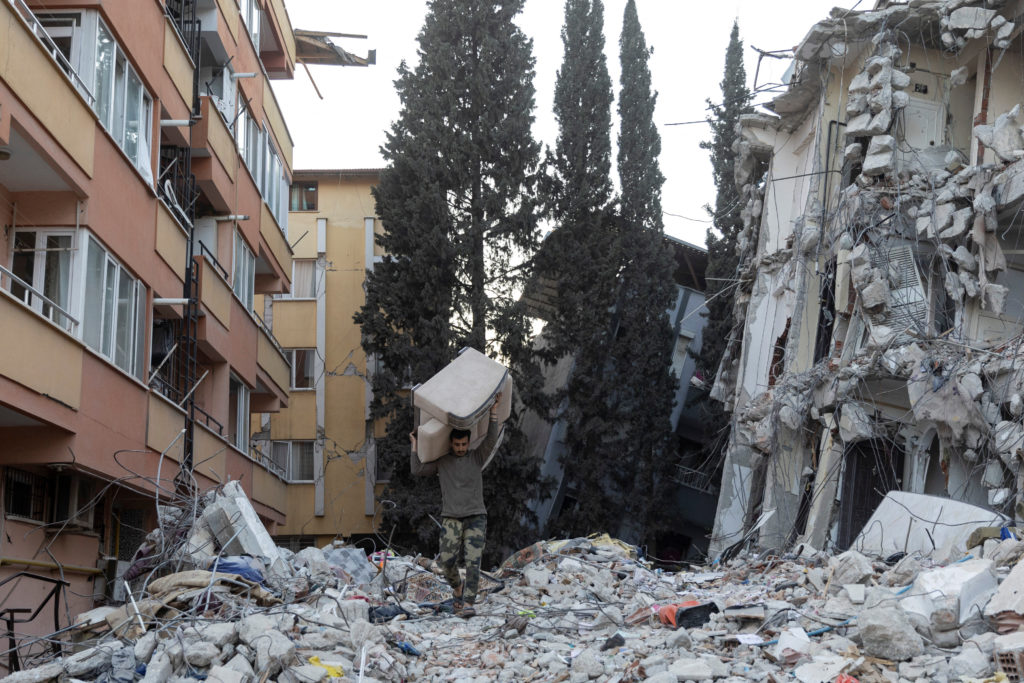
Earthquakes exert powerful forces and ground movements that can cause a house to shift, slide, or even lift off its foundation. When a house is not properly anchored, this movement can result in the structure partially or entirely detaching from its foundation, leading to catastrophic damage and potential collapse.
Ensure that houses or buildings are properly attached to their foundations.






Comments