First group of deportees from third-country arrives in St. Kitts

/ Our Today
administrator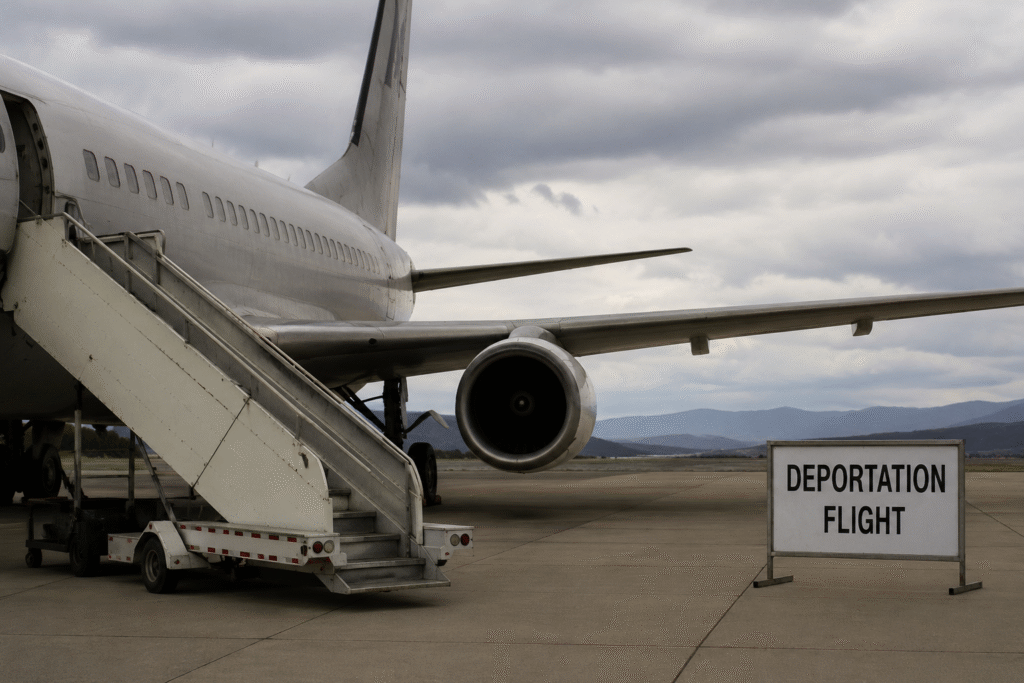
Deportees are Jamaican and Belizean nationals
Durrant Pate/Contributor
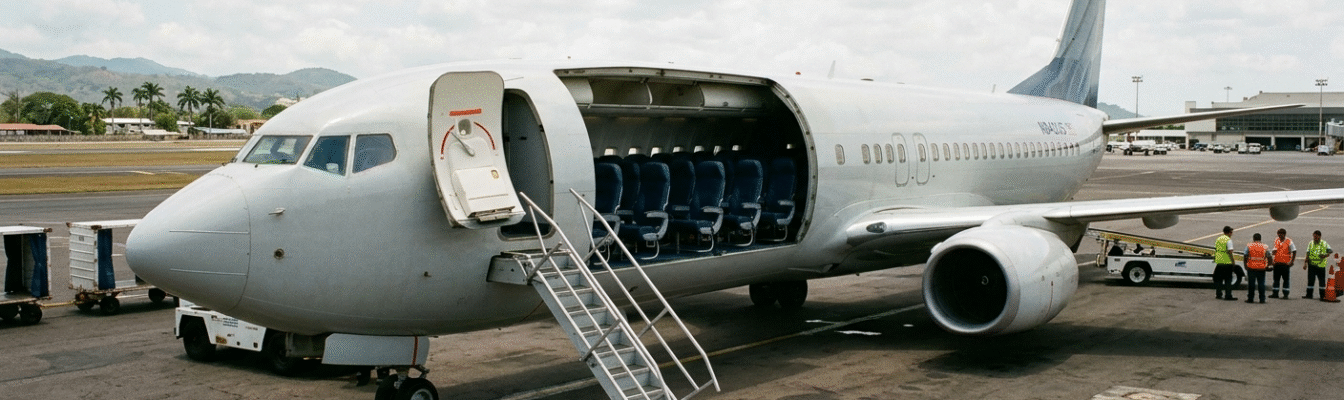
The first group of third-country nationals deported from the United States under a bilateral migration agreement with St. Kitts and Nevis have arrived in the twin-island federal territory.
The Government of St Kitts and Nevis has confirmed the arrival of three such deportees, who are Jamaican and Belizean nationals. In a statement issued, Kitts/Nevis officials say the three deportees arrived in the Federation on May 19 from the United States.
The transfer was done under a Memorandum of Understanding (MOU) between the governments of St Kitts and Nevis and America for the relocation of certain third-country nationals who are citizens of CARICOM member states. The authorities in the Caribbean territory have emphasised that the individuals are not criminal convicts and said the transfers relate to immigration violations in America.
Details not being released
They did not disclose where the individuals would be housed or provide details about the logistical arrangements surrounding their stay in the Federation. According to officials, the individuals are free to return to their home countries at their own discretion, subject to the immigration laws of those countries.
The statement read, “In accordance with the arrangements outlined in the MOU, at no cost to the Government of St. Kitts/ Nevis, the individuals will be processed through the established immigration and security procedures of St. Kitts/Nevis and will be granted the immigration status and legal accommodation ordinarily applicable to CARICOM nationals within the Federation.”

The MOU is part of a broader U.S. strategy for so-called “third-country national” arrangements, under which countries agree to temporarily receive migrants or deportees whom Washington says it cannot easily repatriate directly to their home countries.
Several regional governments have entered similar arrangements with the United States, emphasising that the deals apply only to CARICOM nationals without serious criminal records and that the U.S. government is covering associated costs. Earlier this year, the government confirmed that St Kitts/ Nevis would join a growing number of CARICOM countries agreeing to accept deportees from the United States under similar arrangements.
However, Prime Minister Terrance Drew said only CARICOM nationals without criminal records would be accepted. He was adamant the Federation would not accept deportees from Haiti.
The government of St Kitts/ Nevis has declared that all relevant national security, immigration, and law enforcement agencies had been involved in the process noting that U.S. authorities provided biographical, medical, and criminal background information on the individuals before their transfer.

Similar MOU being negotiated with other CARICOM states
Other Caribbean countries have also publicly acknowledged similar discussions or agreements with Washington. However, the issue has sparked growing political and public debate across the region with critics questioning the transparency and long-term implications of such agreements, while governments involved have defended them as controlled migration and security arrangements carried out in cooperation with the United States.
The government of Antigua and Barbuda has confirmed talks with the United States regarding a non-binding memorandum involving third-country nationals and refugees, while insisting there is no “secret or binding agreement” currently in operation.
Dominica is among those CARICOM states participating in the programme, even though Prime Minister Roosevelt Skerrit previously had concerns regarding violent offenders and national security, which had been raised with U.S. officials. Meanwhile, Guyana has reportedly held negotiations with Washington, although no finalised agreement has been publicly confirmed.
Beyond the Caribbean, similar arrangements have also reportedly been pursued by the United States with countries including Costa Rica, Panama, Sierra Leone, Equatorial Guinea and Eswatini as part of Washington’s broader migration enforcement strategy.





Comments