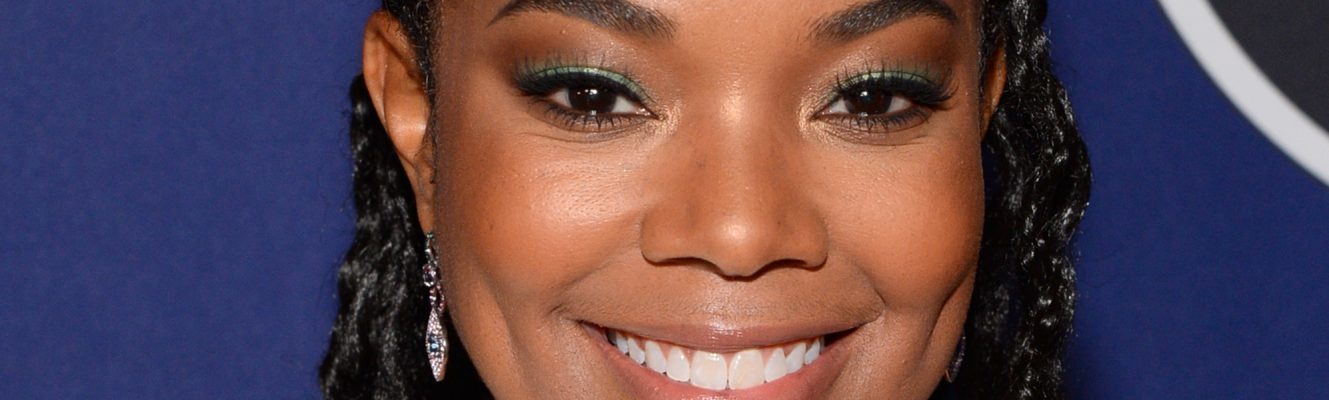
‘I just wanted to fit in’: Gabrielle Union details the black girl’s experience with hair

Juanique Tennant / Our Today

For many black girls, the relationship with their natural hair is one often marred by simultaneous love and hate.
In a tradition that dates back to the origin of European beauty standards and the desire to live up to them, particularly as it regards hair, American actress Gabrielle Union details the plight of black women and girls eager “to fit in”.
Union in a recent interview with People magazine spoke candidly about her haircare journey and how that evolution inspired the launch and relaunch of her product line, Flawless by Gabrielle Union.
While never having an issue with her blackness being affirmed through the hairstyles she wore when she was surrounded by girls who looked like her, she admitted that when her family moved to the San Francisco Bay Area the desire to distance herself from that particular form of Black expression was overwhelming.

“Most people think of the Bay Area as having a lot of diversity, but the town we moved (to) was 99.9 per cent white,” stated Union.
Sharing similar sentiments to many black girls who came before her she explained: “I just wanted to fit in.”
“I wanted swoop, swinging hair and in order to get that I needed a relaxer,” said the 49-year-old.
Starting the chemical hair treatment at the age of eight, she recalled: “I didn’t care about my hair health. (In fact) I would try to leave the relaxer on as long as possible…”.
She noted: “It was about assimilating and trying to look and appear appropriate and attractive.
“I wanted that kind of validation that young Black girls get when you fully assimilate and you move away from Blackness towards something that is a little bit more destabilising and not really affirming at all.”
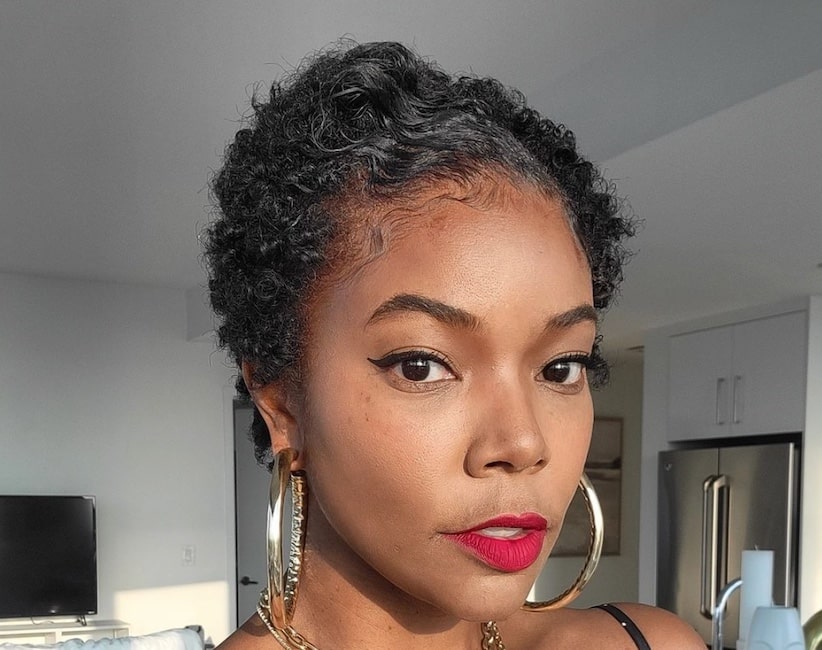
After years of hair relaxing and finally “fitting in” the actress recognised that something was amiss.
“To constantly be questioning yourself and not feeling worthy or good enough, I knew I needed to free myself of that and the first step was letting my relaxer go,” stated Union.
Following her own ‘big chop’ in August 2021, the Bring It On star shared that the cut was not the result of any life crisis but rather that she was “learning to uncenter white supremacy and white beauty ideals.”
In an interview with Ebony magazine in the aftermath of the chop, she stated: “I’m unlearning a lot of harmful ideals that we are inundated with from birth as Black women. I’m finding freedom and I wanted to highlight that.”



Comments