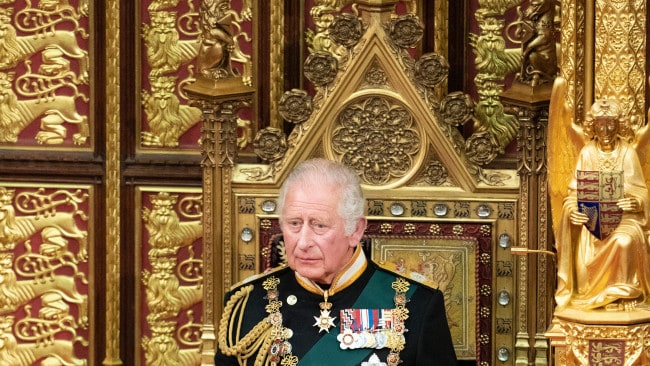
King Charles refers Jamaica’s reparations petition to Privy Council

/ Our Today
administrator
Majesty King Charles has referred Jamaica’s petition, filed on September 7 on behalf of the Jamaican people, to the Judicial Committee of the Privy Council.
This was disclosed in Parliament last evening by Minister of Culture, Gender, Entertainment and Sport, Olivia Grange, in a statement to the House of Representatives.
“We are awaiting directions from the Judicial Committee of the Privy Council as to the next steps to be taken in the case. We will keep the Cabinet and the Parliament updated on the developments, she told fellow Members of Parliament.
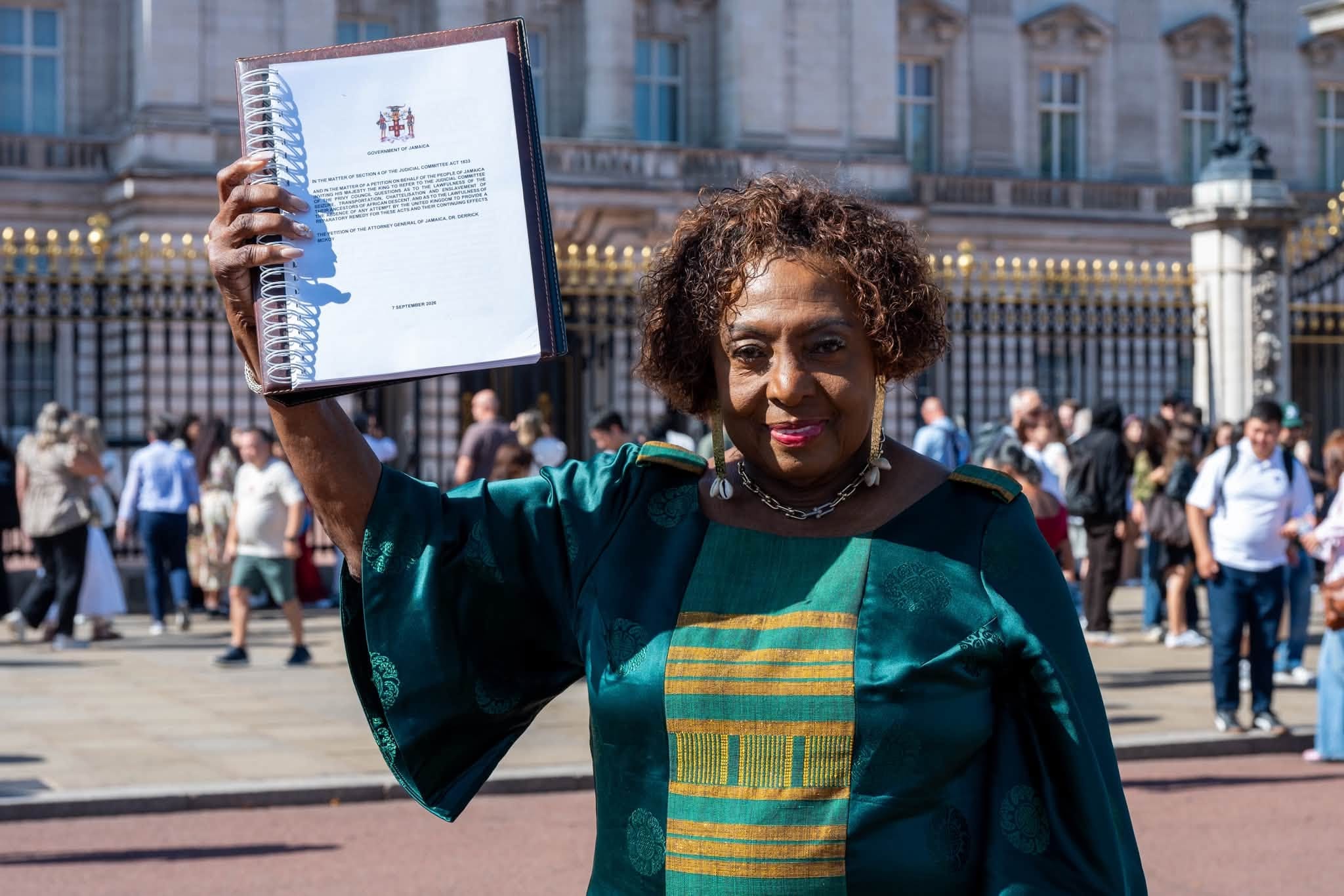
The petition seeks guidance on three questions: whether the forced transport of Africans to Jamaica was lawful; whether it constituted a crime against humanity; and whether Britain is under an obligation to provide restitution for slavery and its enduring consequences.
Jamaica is pursuing reparations in the name of its African ancestors, who endured hundreds of years of enslavement on the island, noting that the effort is being spearheaded by the National Council for Reparations, whose purpose is to research and advise the government on the pathway to reparatory justice.
This reparation route, the minister explained, is based on the expert legal advice of noted veteran attorney-at-law Frank Phipps, King’s Counsel, who recommended that Jamaica petition the King using colonial law.
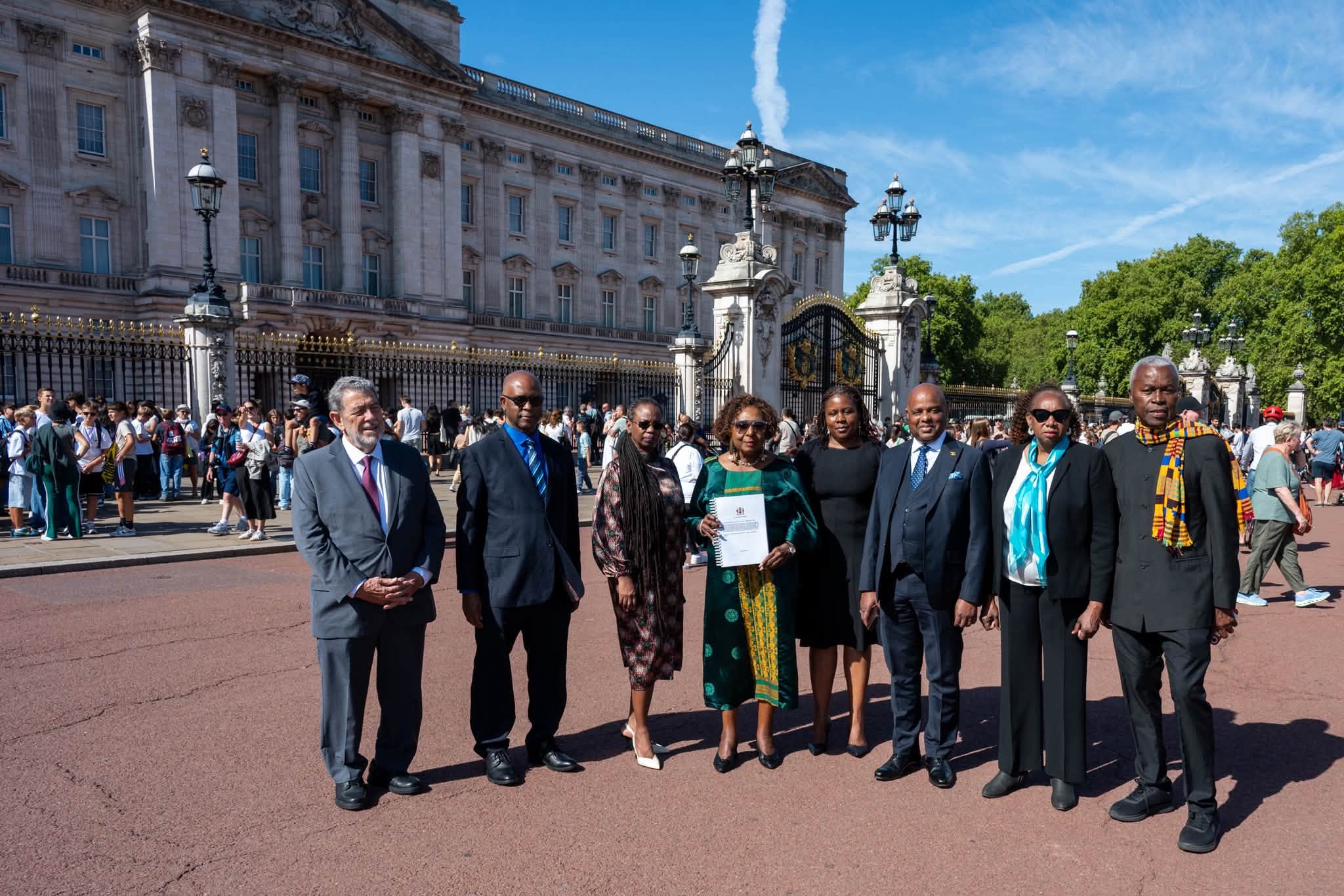
Grange emphasised that the refusal of the United Kingdom (UK) to meaningfully engage on reparatory justice was what caused Jamaica to consider other options, such as the current one, which is a legal pathway.
She further explained that the UK has placed specific reservations on the compulsory jurisdiction of the International Court of Justice (ICJ), which prevent the Court from adjudicating on disputes between the UK and the government of any other country, which is or has been a Member of the Commonwealth.



Comments