RADA reaffirms strategic support to Jamaican farmers amid direct disasters and ongoing drought

/ Our Today
administrator
The Rural Agricultural Development Authority (RADA) has taken note of concerns regarding the level of support provided to Jamaican farmers during recent weather challenges. RADA wishes to provide context, while reminding the agricultural community of the comprehensive relief, recovery and resilience program delivered directly to farmers across all 13 agricultural parishes.
Through coordinated national interventions, RADA, under the guidance of the Ministry of Agriculture, Fisheries and Mining, has deployed combined agricultural and technical resources to protect agricultural production, stabilise food prices, and safeguard national food security following the passage of Hurricane Melissa and during the ongoing heat stress and drought period.
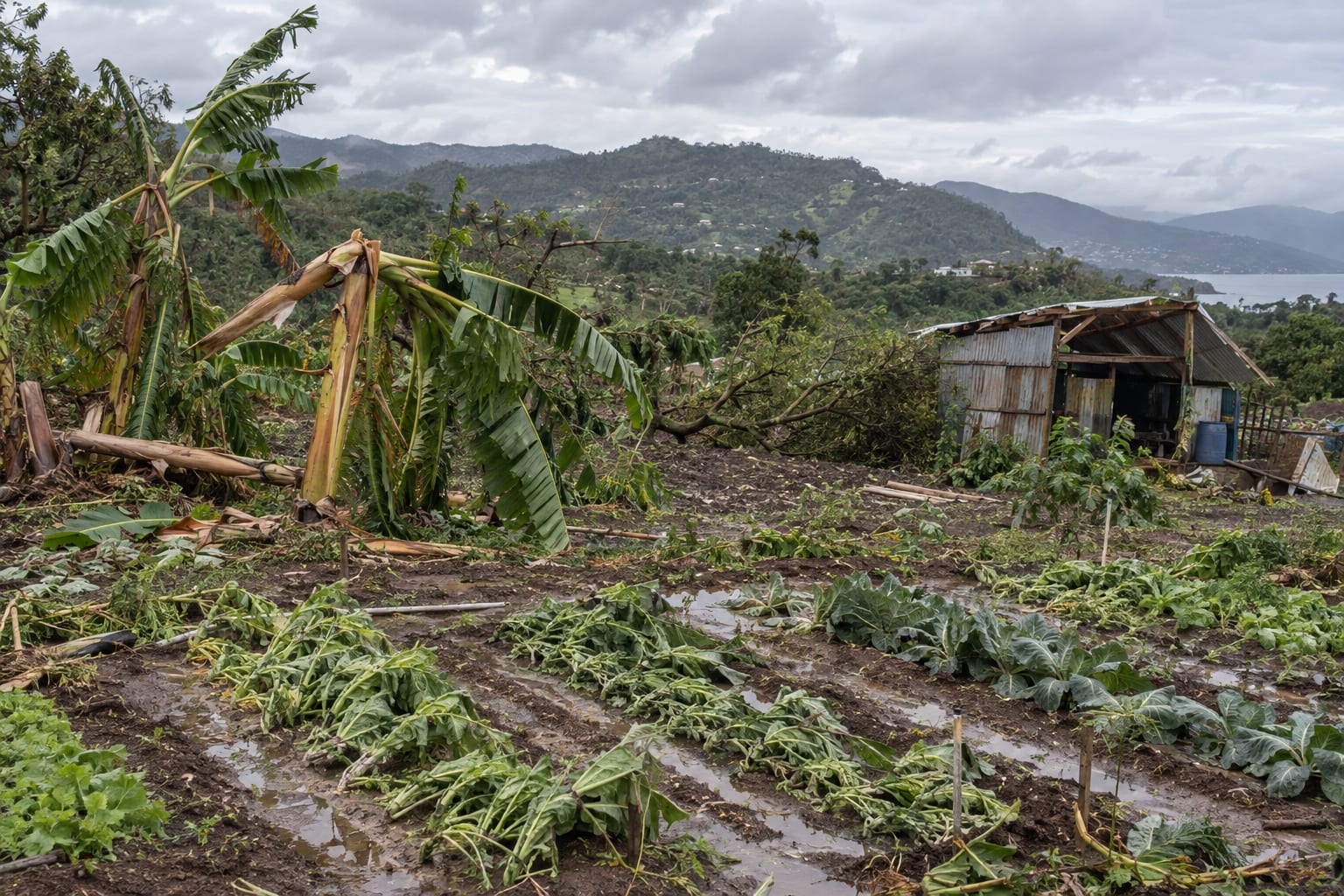
Critical recovery support following Hurricane Melissa
In response to the catastrophic devastation brought by Hurricane Melissa, a total of J$1.98 billion was allocated to execute the Hurricane Melissa Recovery Program. This multi-phase recovery initiative played a crucial role in maintaining food availability, reducing price volatility, preventing supply shortages, and restoring farm livelihoods across affected belts. This included:
· Fertiliser & Soil Inputs: A total of 14,235 bags of fertiliser were distributed directly to affected smallholders to stimulate rapid crop re-establishment within affected parishes.
· Tools & Equipment: To enhance operational efficiency and lower operating costs for producers, J$150 million was expended to procure vital farming tools and equipment.
· Crop Restoration & Irrigation Relief: J$30 million was invested in specialised irrigation inputs, directly assisting over 350 affected farmers across major production zones. This targeted support successfully restored production for vital domestic crops, including leafy vegetables, tomatoes, sweet and hot peppers, lettuce, cabbage, and sweet potatoes.
· Targeted Sector Support: Specialised recovery programs were bolstered for high-value export and staple crops, specifically Yam and Hot Pepper.
· Infrastructure & Asset Protection: Comprehensive assistance was delivered for livestock infrastructure rebuilding, land management, greenhouse repair, and the rehabilitation of critical farm roads to restore market access.
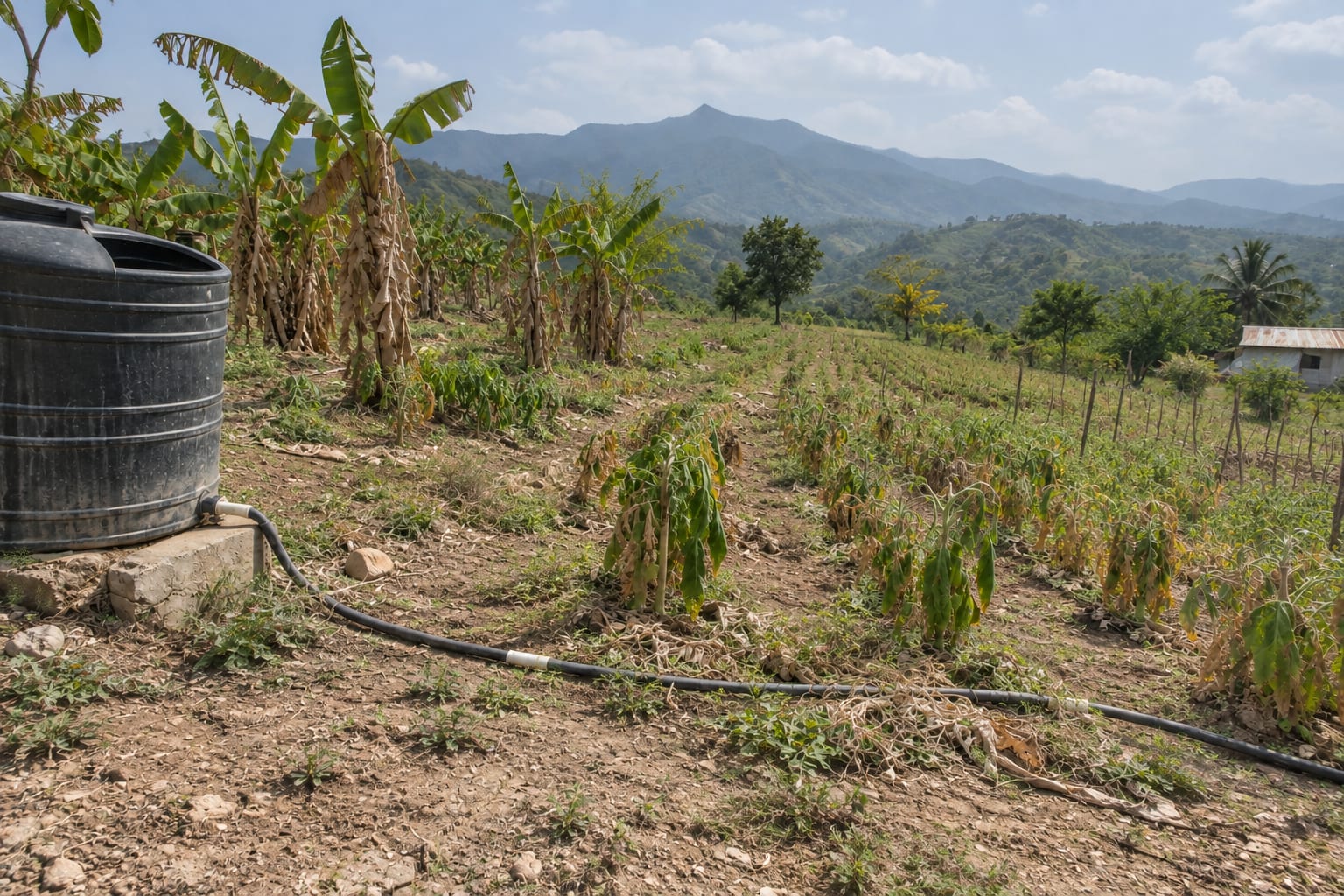
Ongoing islandwide drought & heat stress response
In addition to post-hurricane recovery, RADA continues to execute an aggressive, targeted drought mitigation strategy backed by a J$140.25 million operational budget to cushion farmers against the severe dry spell through:
· Emergency Water Supply: Over 1,900 truckloads of water have been delivered directly to farming communities across eight severely affected parishes (St. Thomas, Portland, St. Mary, Westmoreland, Clarendon, St. Catherine, St. Elizabeth, and Manchester).
· Direct Grant Assistance: J$60.25 million was disbursed through Members of Parliament across all constituencies to provide immediate grant aid to local farmers, with 100% of these funds fully expended on farmer assistance.
· Storage & Micro-Irrigation Infrastructure: RADA has distributed approximately 3,600 water tanks and agricultural water drums, alongside 1,370 micro-irrigation/drip kits islandwide to maximise water efficiency at the root zone.
· On-Farm Water Harvesting: Construction is currently in the procurement stage for 25 water-harvesting ponds in St. Elizabeth and Manchester to expand long-term catchment capacity.
· Bushfire Recovery Relief: 23 farmers recovering from drought bushfires received specialised aid packages containing 60 drip kits, 12 water tanks, 12 truckloads of grass mulch, water drums, and planting materials.
· Extension & Climate Training: Between April and August, RADA extension officers conducted 309 training sessions, reaching 1,760 farmers with practical instruction on mulching, heat stress mitigation, drought-tolerant crop varieties, and water conservation.
RADA remains fully committed to serving Jamaica’s agricultural sector with integrity, transparency, and dedication. While climate variability presents real challenges on the ground, the Authority continues to work tirelessly to ensure that resources reach the farmers who feed the nation.
Driven by RADA’s relief, recovery, and resilience strategic plan to mitigate the impacts of climate change on the agricultural sector, RADA remains dedicated to enhancing and protecting national food security.






Comments