Latin American and Caribbean countries agree on ambitious environmental agenda

/ Our Today
administrator
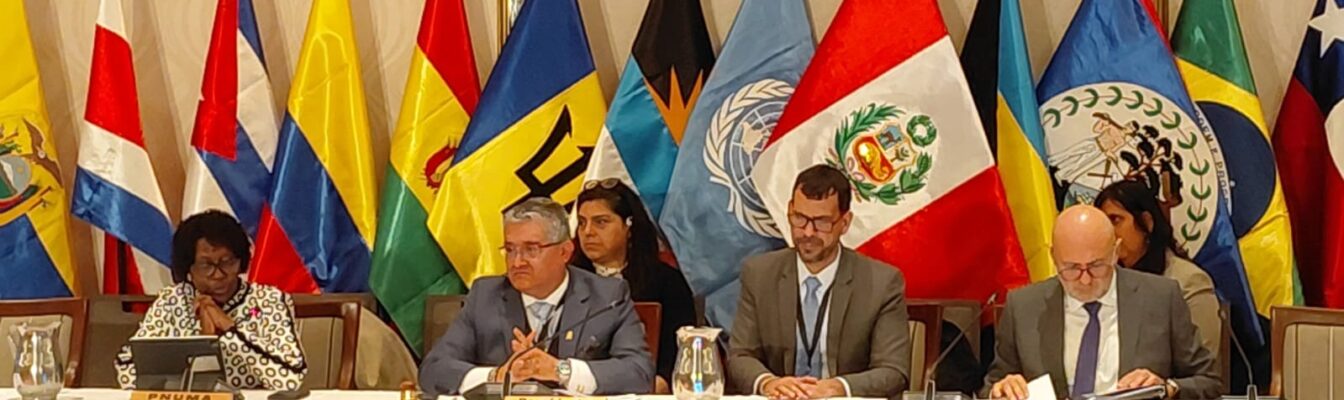
Key decisions were adopted by regional leaders to address the ‘triple planetary crises’ of climate change, biodiversity loss and pollution as the XXIV Meeting of the Forum of Ministers of Environment of Latin America and the Caribbean concluded in the Peruvian capital Lima last Thursday (October 2).
The measures include the adoption of an updated Regional Action Plan on Ecosystem Restoration and Water Security, which will strengthen countries’ resilience to droughts and desertification, while also generating social and economic benefits for the region.
Countries also agreed on new initiatives and plans to reduce pollution and protect health and the environment.
These include a new Programme for the Reduction of Methane Emissions in the Waste Sector and the progressive closure of dumpsites, the Regional Action Plan on Chemicals and Waste 2026–2029, the Regional Action Plan on Air Quality 2026–2029, as well as strengthening regional cooperation to address plastic pollution.
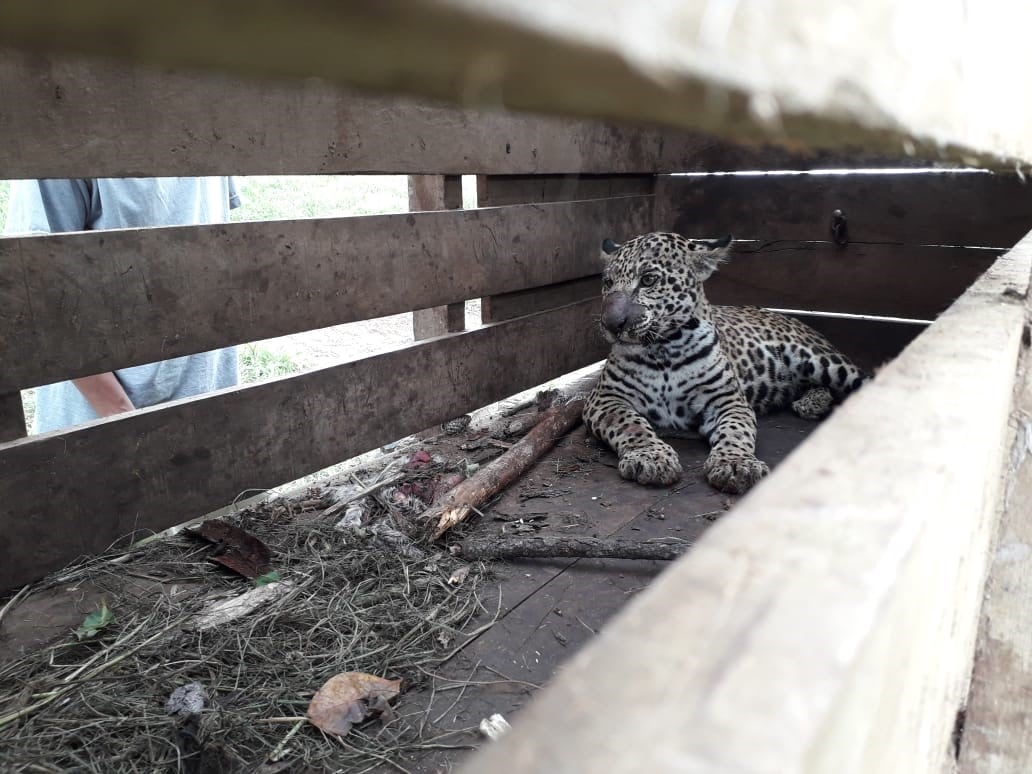
During the meeting, ministers also reviewed the latest outcomes of the Second Meeting of the Range States for the Jaguar, recently held in Mexico, including the Regional Action Plan for Jaguar Conservation.
Strengthening ecological connectivity
This plan aims to strengthen ecological connectivity and the protection of strategic ecosystems in the region, consolidating the jaguar as an emblematic and umbrella species for conservation and restoration efforts. In thematic consultative sessions and throughout their deliberations, representatives discussed ways to accelerate the implementation of multilateral environmental agreements, as well as cross-cutting areas such as integrating a gender perspective into environmental action, strengthening education and training for sustainability, and promoting circular economy models across the region.
The Lima Declaration, adopted at last week’s meeting, reaffirms the need to respond in an integrated manner to the crises of climate, biodiversity, land degradation, drought and pollution in all its forms.
It recognises the human right to a clean, healthy and sustainable environment, underscores the urgency of strengthening regional and global cooperation, calls for the recognition of the special circumstances faced by small island developing states (SIDS), and calls for advancing a just transition that leaves no one behind. It also highlights the importance of integrating gender perspectives, the knowledge of Indigenous Peoples and local communities, as well as mobilising financial and technological resources to accelerate climate action, and biodiversity conservation, including for the benefit of iconic species in the region such as the jaguar, as well as ecosystem restoration in the world’s most biodiverse region.
Peruvian Environment Minister Juan Carlos Castro Vargas commented, “We must respond effectively and in synergy to the crises of climate change, biodiversity loss and pollution in all its forms, with a common agenda that enables us to define and implement a practical and concrete roadmap through multiple regional and global partnerships.
At this international meeting, where Peru concluded its term as presidency of the Forum of Ministers, we generated joint proposals to foster cooperation and investment that will help our countries address and close environmental gaps.”
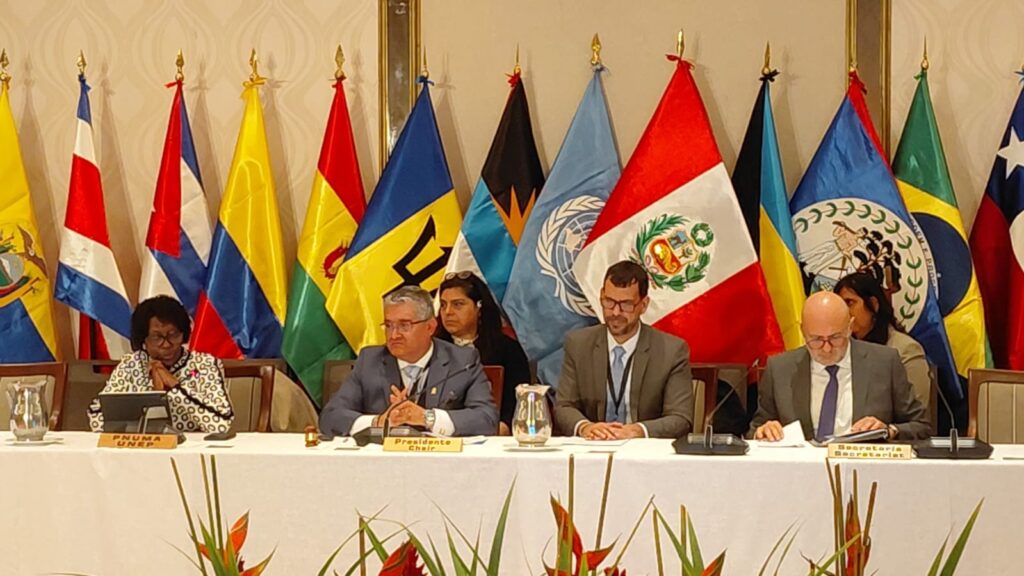
For his part, Panama’s Minister of Environment, Juan Carlos Navarro, whose country begins a new two-year term as president of the forum, remarked, “This handover symbolises more than a change of Presidency: it is the continuity of a collective effort in which Latin America and the Caribbean speak with one voice to urgently confront regional and global environmental challenges. We must protect our forests and rivers, our biodiversity and our oceans now, to ensure the clean air and pure water upon which our very lives depend.”
The forum serves as a key space to prepare joint positions of Latin America and the Caribbean in multilateral negotiations, including the upcoming COP30 in Belém, Brazil, and the seventh session of the United Nations Environment Assembly (UNEA-7), to be held from December 8-12 in Nairobi, Kenya.
UNEA-7 will be preceded by the seventh meeting of the Open-Ended Committee of Permanent Representatives (OECPR-7), which commences on December 1.
The forum is the region’s longest-standing and most important space for political dialogue and collaboration on environmental matters. Established in 1982, it brings together the 33 countries of Latin America and the Caribbean to set environmental priorities and collaborate on programmes, projects and approaches.
It also serves as a key space for the region to prepare consolidated positions for the United Nations Environment Assembly and other global negotiations. UNEP, through its regional office for Latin America and the Caribbean, serves as the forum’s secretariat.

Comments