Losses continue to mount at RJR Group as local media landscape fractures
Al Edwards / Our Today
administrator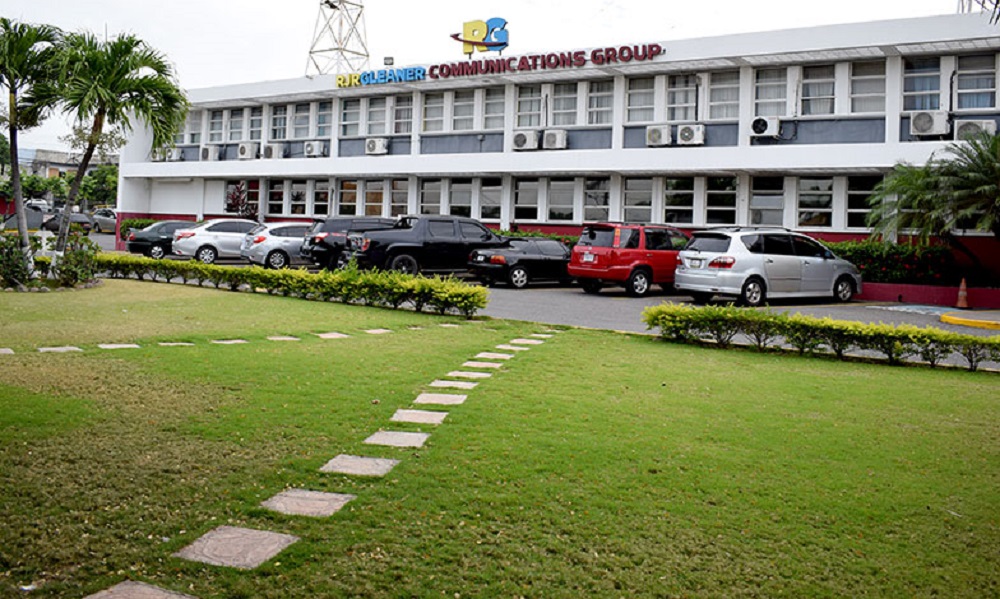
Jamaica’s leading media group RJRGleaner continues to see losses mount despite attempts to staunch the bleeding.
For the financial year ended March 31, 2026, it reported a net operating loss of $907.2 million, an almost 40 per cent fall on last year’s figure.
RJR has made efforts to reduce operating expenses but still sees revenues falling. It reported revenues of $4.65 billion for the year under review.
For the year ended March 2026, RJRGleaner reported a total comprehensive loss of $873.7 million, a $100 million more than the figure reported for 2025.
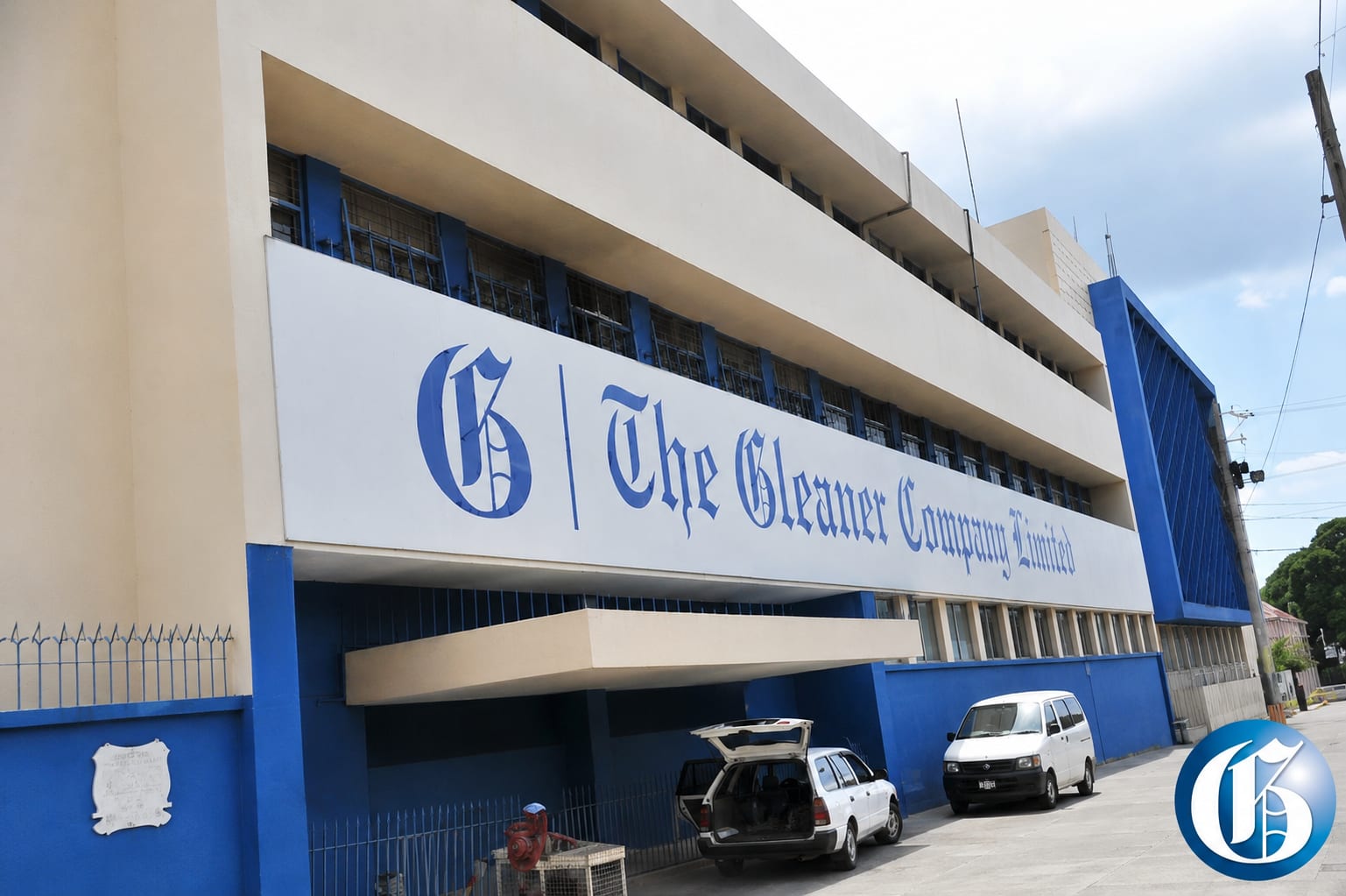
The Group is looking to come out of the doldrums. For successive years it has registered substantial losses. It sold its Gleaner headquarters on North Street and has streamlined operations, cutting some businesses and reducing headcount.
It is pivoting to digital offerings but has not done so fully. It seems stuck in traditional mode, which has paid off for decades, but that was at a time when there was no meaningful competition.
Social media and YouTube have birthed new media practitioners who are more personality-driven and have garnered their own audiences. People make time to engage with them. Operators like Andre Stephens and DuttyBerry have large followings, and even traditionalists like Dionne Jackson-Miller and Emily Shields are getting on board.
This fracturing of Jamaica’s media landscape has hurt the RJRGleaner Group. Twenty years ago it was the only significant watering hole to consume local content. Now there are many springing up; everybody has a podcast, everybody is able to have their say.
Compounding matters further for the RJRGleaner Group is a generation with a short attention span that doesn’t read and doesn’t care about current affairs. It is not interested in national development and has a more solipsistic approach to life. They live for video games, KFC and the next all-inclusive party.
The RJRGleaner Group needs a significant portion of the population to consume its products. It has to compete with social media and the streaming platforms. It has to fight off the independent news platforms that are totally digital and are making a mark with niche content. The correlation between falling viewership/readership and income is evident.
Jamaican media houses have never appreciated the value of talent. The media business is about the quality of the talent, which in turn drives up audiences. There is a reason why Anderson Cooper, Jake Tapper, and Dana Bash have remained with CNN for years. There is a reason why Rachel Maddow, Andrea Mitchell and Joe Scarborough are stalwarts at NBC. These media houses are built around proven talent who perform day in, day out.
In Jamaica it’s about the enterprise, not the talent. The talent can come and go, and media houses get away with paying them peanuts. There is little regard for talent retention.

RJRGleaner has talent. Paget DeFreitas is one of the best editors to work in a newsroom. Andrea Chisholm, Robert Hart, Daydree Thomas, Janella Precius, Kayon Raynor, Racquel Porter readily spring to mind. They must be retained and looked after. They must be sold on the future of the Group so that they can commit their future to it.
The Board and management must demand more from its editors, reporters and staff. Productivity must be raised. More will have to be done with less-bottom line.
There was a time when reporters practically held tenure. Now they will have to earn it. RJR has to adopt a more competitive mindset and can no longer posture as the top dog on the block. Others are eating its lunch, and it needs to growl and bare its teeth.
Editors and reporters need to get out there and find the stories. The talent has to be managed more effectively. The Board has to reimagine the brand. It served well in the last century and the one before that, but it has to change with the times and meet the challenges of the day. It must not allow itself to be obsolete, like another brand of yesteryear, Kodak. The New York Times made the adjustment and is making progress; so too is the Wall Street Journal.
The RJRGleaner Group cannot remain static with no ideas, continually reporting heavy losses year in and year out. It needs some inventiveness; it needs to take risks; it needs new faces who are dynamic.

The Group has attempted to look to investment properties as a source of revenue, but there too it has found little joy. For the year under review, it saw a 65 per cent decline in investment properties, leading to a 9 per cent fall in total assets to $5.10 billion.
It has entered a joint venture with The Jamaica Observer to distribute its newspaper, which it said is showing positive signs, thus helping to reduce operating expenses (distribution costs) for both entities.
Of some concern, shareholders’ equity fell by as much as 26 per cent to $2.51 billion. This has put a dent in book value per share. The Group has done well to contain its administrative expenses, which fell by 7 per cent to $1.16 billion.
Anthony Smith, who served as Group CEO, died in December 2025.
Just before he passed, he said: “ We’ve restructured our commercial operations around line of business heads for print, TV, radio and digital. Each head is laser focused on profitability, supported by unified sales and marketing teams. This eliminates duplication and ensures strategic alignment across the group.”
This is a sound strategy but needs time, which the Group is running out of.
Smith announced that the Group is far ahead of its competitors with 176 million monthly views, but this means little if it cannot spell revenue and cash coming into the RJR’s coffers.
“We know what our audiences want, when they want it,” he proclaimed in December of last year. Time will tell.
The priority should be to come out of the red. Chairman Joe Matalon is now running the Group and is putting in place structural changes to alter RJR’s fortunes for the better.





Comments