Police Chief sets record straight on public accountability vs public entitlement

/ Our Today
administrator
Says police and other public servants must expect scrutiny of their official conduct
Durrant Pate/Contributor
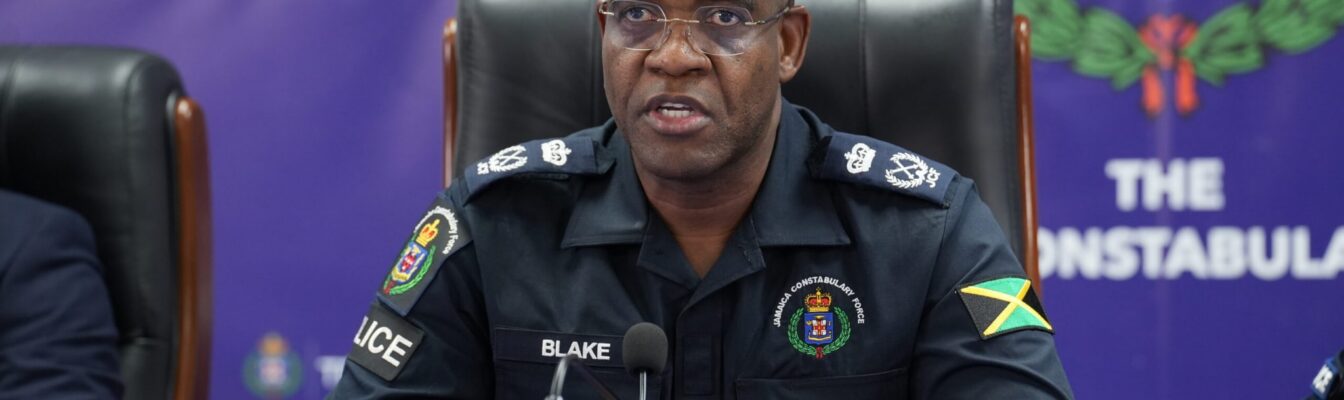
Commissioner of Police, Dr Kevin Blake, is seeking to set the record straight between public accountability and public entitlement, declaring that accepting the responsibilities of public service does not make every aspect of a person’s private life a matter for public consumption.
Writing in his latest Commissioner’s Corner column, published in the weekly Force Orders, Dr Blake acknowledges that police officers and other public servants must expect scrutiny of their official conduct but “when we accept the responsibility of public service, we accept that our conduct in the execution of our duties will be subject to public scrutiny,” the Commissioner said. “That comes with the territory.”
He says the public has a legitimate interest in assessing how public servants perform their functions, exercise authority and uphold the standards required of them but contends that this legitimate interest does not extend automatically to every aspect of a person’s private affairs. For the Police Commissioner, “being a public servant does not mean that every aspect of your private life becomes public property.”
Boundary between “public accountability and public entitlement”
The Commissioner describes the boundary as the difference between “public accountability and public entitlement,” arguing “our positions do not erase our right to a private life. What happens within the legitimate boundaries of our personal lives is not automatically the business of strangers, social-media commentators or anyone who happens to have an opinion and an internet connection.”
Dr Blake says personal matters properly contained within an individual’s private life should remain under that person’s control, emphasising, “our private lives belong to us, and to the friends and families with whom we choose to share them.” The Commissioner’s comments formed part of a wider discussion about the effects of social media on public discourse and the rapid circulation of information.
He acknowledges the value of digital platforms in educating the public, sharing information, mobilising assistance and exposing wrongdoing. However, Dr Blake is warning that social media could also be used to circulate false or malicious claims and manufacture controversy.
According to him, “there are those who have chosen to use these platforms not to inform but to misinform; not to build but to destroy; not to contribute meaningfully to public discourse but to manufacture controversy.” The Commissioner cautions that freedom of expression does not provide unlimited protection for false statements that damage another person’s reputation.
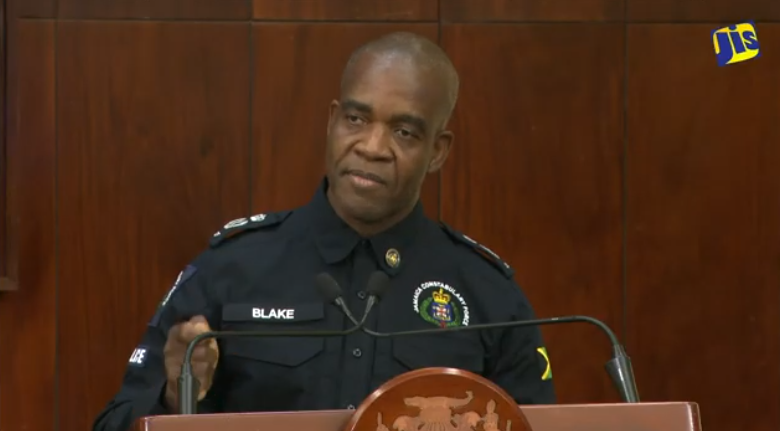
For him, “freedom of expression is important, but it does not give anyone an unlimited licence to make false and damaging statements about another person…There are legal consequences for defamatory and libellous statements because the law recognises that a person’s reputation is valuable and that when it is wrongfully damaged, the victim should have a means of seeking redress.”
Dr Blake is urging social-media users to exercise greater care when creating or circulating content while warning against treating wide circulation or the size of a person’s online following as proof that information is accurate.
The Commissioner laments that a balance must be maintained in which public servants remain accountable for their official conduct while retaining the personal dignity and privacy afforded to other citizens, saying, “we must build a culture in which public servants are accountable for what they do in the discharge of their responsibilities, while still being afforded the dignity and privacy to which every human being is entitled.”

Comments