
Trump strikes tariff deal with Japan, auto stocks surge

/ Our Today
administrator
WASHINGTON/TOKYO (Reuters)
President Donald Trump struck a trade deal with Japan that lowers tariffs on auto imports and spares Tokyo from punishing new levies on other goods in exchange for a US$550 billion package of US-bound investment and loans.
It is the most significant of a clutch of agreements that Trump has bagged since unveiling sweeping global levies in April though, like other deals, exact details remained unclear.
As part of the deal, Japan will buy 100 Boeing planes and hike defence spending with US firms to US$17 billion annually, from US$14 billion, a White House official said.
Japan’s auto sector, which accounts for more than a quarter of its US exports, will see existing tariffs cut to 15 per cent from levies totalling 27.5 per cent previously. Duties that were due to come into effect on other Japanese goods from August 1 will also be cut to 15 per cent from 25 per cent.
US Treasury Secretary Scott Bessent said in an interview with Bloomberg Television that Japan received the 15 per cent rate on auto tariffs “because they were willing to provide this innovative financing mechanism” that he did not think other countries could replicate.
The announcement Tuesday evening (July 22) sent Japan’s benchmark Nikkei stock index climbing almost four per cent to its highest in a year, led by stocks in automakers with Toyota up more than 14 per cent and Honda nearly 11 per cent.

Wall Street opened higher on Wednesday, shoring up expectations of further agreements ahead of the fast-approaching August 1 deadline. The Dow Jones Industrial Average rose 158.7 points, or 0.36 per cent, at the open to 44661.12.
“I just signed the largest TRADE DEAL in history with Japan,” Trump said in announcing the deal on social media.
On Wednesday, he said Japan and Indonesia were opening their markets to the U.S. “I will only lower tariffs if a country agrees to open its market,” Trump wrote.
Japanese Prime Minister Shigeru Ishiba, who denied reports on Wednesday that he had decided to quit following a bruising election defeat, praised the tariff agreement as “the lowest rate ever applied among countries that have a trade surplus with the U.S.”
Two-way trade between the two countries reached nearly $230 billion in 2024, with Japan running a trade surplus of nearly $70 billion. Japan is the fifth-largest U.S. trading partner in goods, U.S. Census Bureau data show.
The US investment package includes loans and guarantees from Japanese government-affiliated institutions of up to US$550 billion to enable Japanese firms “to build resilient supply chains in key sectors like pharmaceuticals and semiconductors,” Ishiba said.

The White House official said Trump could, for example, select a semiconductor manufacturing project that would be built with Japanese funds, leased to operating companies and the resulting leasing profit split 90 per cent to 10 per cent between the US and Japan.
Tariffs on medicines and semiconductor chips will be negotiated separately, a White House official said.
Japan will also buy US$8 billion in agricultural and other products and boost rice purchases by 75 per cent, the White House official said. Ishiba said the share of US rice imports may increase under its existing framework but that the agreement did “not sacrifice” Japanese agriculture.
Bank of Japan deputy governor Shinichi Uchida called the deal “very big progress” and said it reduces uncertainty over the economic outlook.
Some economists had forecast the tariffs could have tipped Japan – the world’s fourth-largest economy – into recession.
Keidanren, Japan’s biggest business lobby, welcomed the deal, saying it was a recognition of the significant contributions Japanese companies have made to the US economy and society.
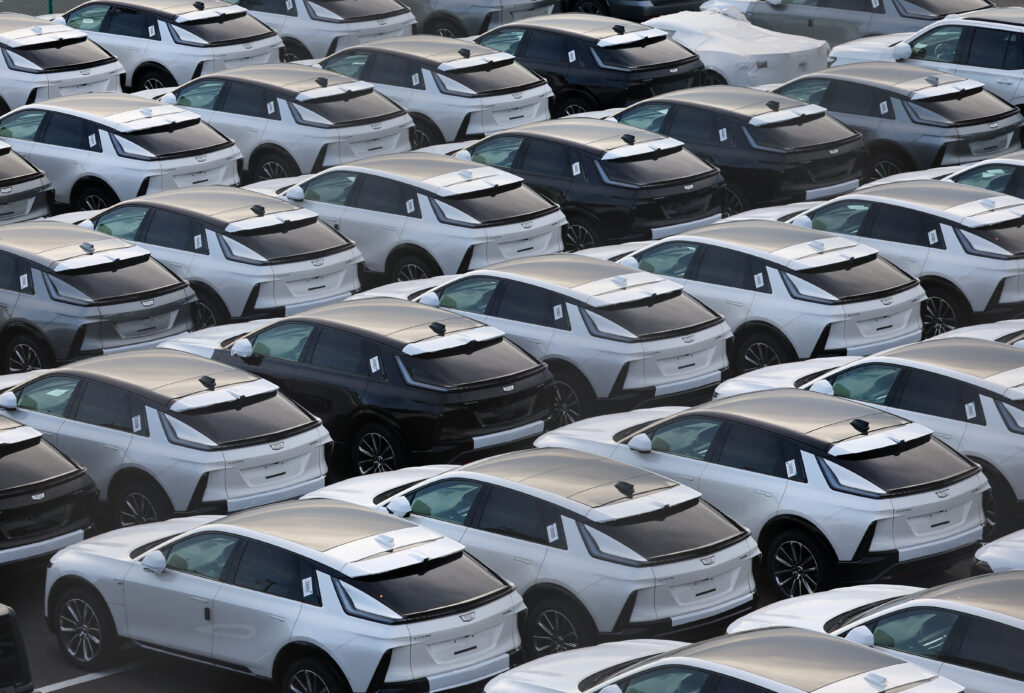
The exuberance in financial markets spread to shares of South Korean and European carmakers, as the Japan deal stoked optimism that they could strike similar deals.
American automakers signalled their unhappiness with the deal, raising concerns about a trade regime that cuts tariffs on Japanese auto imports while leaving tariffs on imports from their plants and suppliers in Canada and Mexico at 25 per cent.
“Any deal that charges a lower tariff for Japanese imports with virtually no US content than the tariff imposed on North American-built vehicles with high U.S. content is a bad deal for US industry and US auto workers,” said Matt Blunt, who heads the American Automotive Policy Council, which represents General Motors, Ford and Chrysler parent Stellantis.
‘MISSION COMPLETE’
“#Mission Complete,” Japan’s top trade negotiator Ryosei Akazawa wrote on X following a meeting with Trump at the White House on Tuesday.
Akazawa later said the deal does not cover Japanese exports of steel and aluminium, currently subject to a 50 per cent tariff.
As part of the agreement, Japan will drop additional safety tests currently imposed on imported U.S. cars and trucks, Akazawa added, requirements that Trump has said limit sales of American-made autos there.
Some last-minute negotiations over the eye-catching investment package appear to have helped seal the deal, a photo of Akazawa’s meeting with Trump posted by one of his aides showed.
The photo posted on X by Trump’s assistant Dan Scavino, pictured the president seated opposite Akazawa with a document titled ‘Japan Invest America’ in front of him. A sum of “$400B” written in large letters on the document was scored out, with “$500” hand-written above it.
Japan is the largest foreign investor in the United States, according to US government data, with an investment position of US$819 billion at the end of 2024.
Trump aides are feverishly working to close trade deals ahead of the August 1 deadline that Trump has repeatedly pushed back under pressure from markets and intense lobbying by industry. By that date, countries are set to face steep new tariffs beyond those Trump has already imposed since taking office in January.
Trump has announced framework agreements with Britain, Vietnam, Indonesia and paused a tit-for-tat tariff battle with China, though details are still to be worked out with all of those countries.
At the White House, Trump said negotiators from the European Union would be in Washington on Wednesday.





Comments