
Will public sector pay increases in Jamaica lead to overall untenable salary demands?

Al Edwards / Our Today
administrator
Recent public sector wage and salary increases have gripped the Jamaican consciousness with many claiming their due.
It has been said for many years that public sector compensation should be brought closer in line with the private sector and that an equitable solution should be found.
Now that the Government has addressed the inequities and looked to balance the scales, there is an outcry and indignation that threatens to upset wage negotiations across the land whether it be in the private sector or public sector.
For fiscal year 22/23, wages and salaries was $95.2 billion ahead of 21/22 actual payment. By the end of 2025/26, the public sector wage bill would have risen by $125 billion, pacing the wage-to-GDP ratio to 11.5 per cent.
It was a bold move and a long-awaited shot in the arm for the public sector but could the Government have foreseen the ensuing firestorm and will public sector entities press the case for even more salary increases? Will the private sector now demand higher compensation with the political directorate in many instances getting paid higher than corporate executives?
Already, workers at the National Water Commission (NWC) fired the first salvo, threatening industrial action if pay demands are not met. Who next? The police? Medical workers? Teachers?
It was perhaps prudent for the Government to move now in raising public sector compensation in a definitive action – not piecemeal – and suffer the slings and arrows before going to the country in 2025.
Minister of Finance Dr Nigel Clarke has said that public sector compensation across the board was an issue the country has not faced up to for years but time come now!
It is a high-wire act – and a gutsy one.
Many in the public sector would have received an increase of between 20 to 40 per cent over a three-year period.
But while the public has turned its anger on politicians, it must be borne in mind that the political directorate has not had an adjustment in their salaries for close to two decades, therefore one was due.
Speaking at a recent EPOC briefing, Keith Duncan explained: “The magnitude of the increases in these political salaries is what concerns Jamaican people. But it is a case of having to get the best people in place. Now, we know the salaries of the political directorate (ministers and MPs) are tied to the permanent secretaries, who have been underpaid for decades. Many of the civil servants have been underpaid in comparison to the private sector for a long time now. Those who lead our public sector, i.e. senior civil servants and permanent secretaries, should get a significant increase in their salaries, that’s only fair.
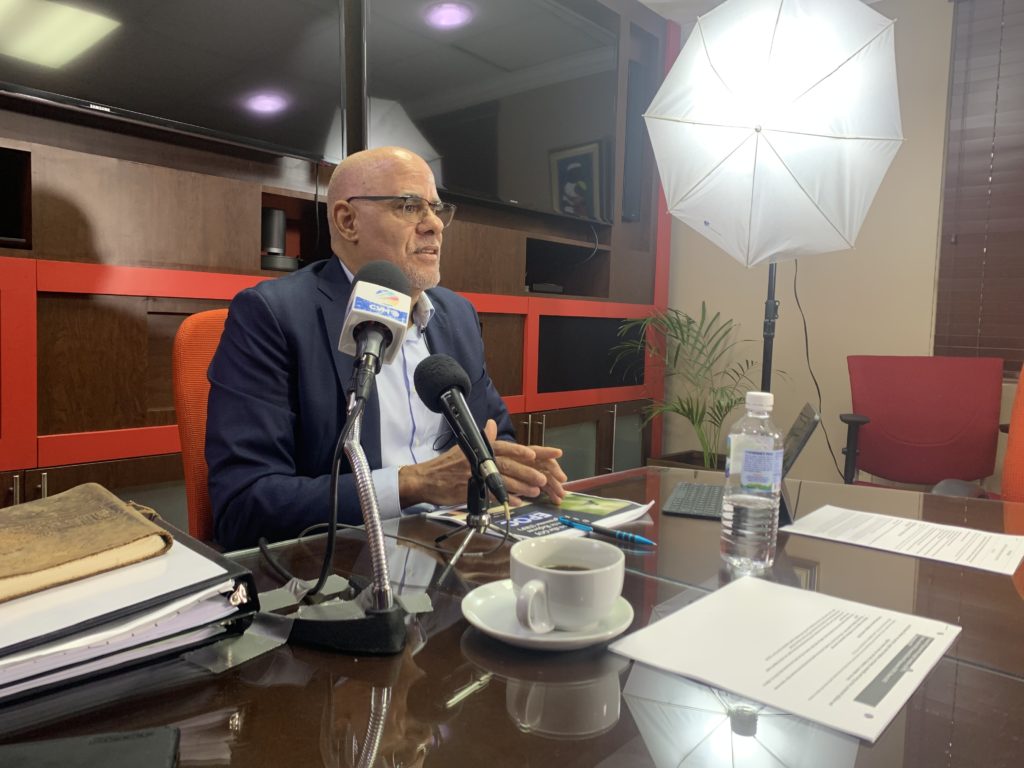
“Now, could that have been phased or the communication around it be better, in terms of getting it out there that there was a big catch-up to be made, continues to be the elephant in the room. This could impact future public sector wage and salary negotiations. But if I was to look at this public sector compensation review, I believe it was a job well done. We have been trying to rationalise the public sector wage model for decades. I give kudos to those who took up this mantle and was able to deliver.”
For years, the Jamaican civil service has been losing good personnel because of low wages and salaries. This somewhat balances things. Where the noise is around, is politics and the political directorate.
Politicians will have to build back some credibility with the overall Jamaican public.
This did not escape the attention of the Minister of Information Robert Morgan who said that if MPs and ministers “were doing 100 per cent before, they now have to do 150 per cent, it means that ministers have to step up their game. If they weren’t stepping it up and the prime minister had a conversation with us, because I think he recognises, as well, the position that we have been placed in is not by our own actions but by the public sector -transformation process.
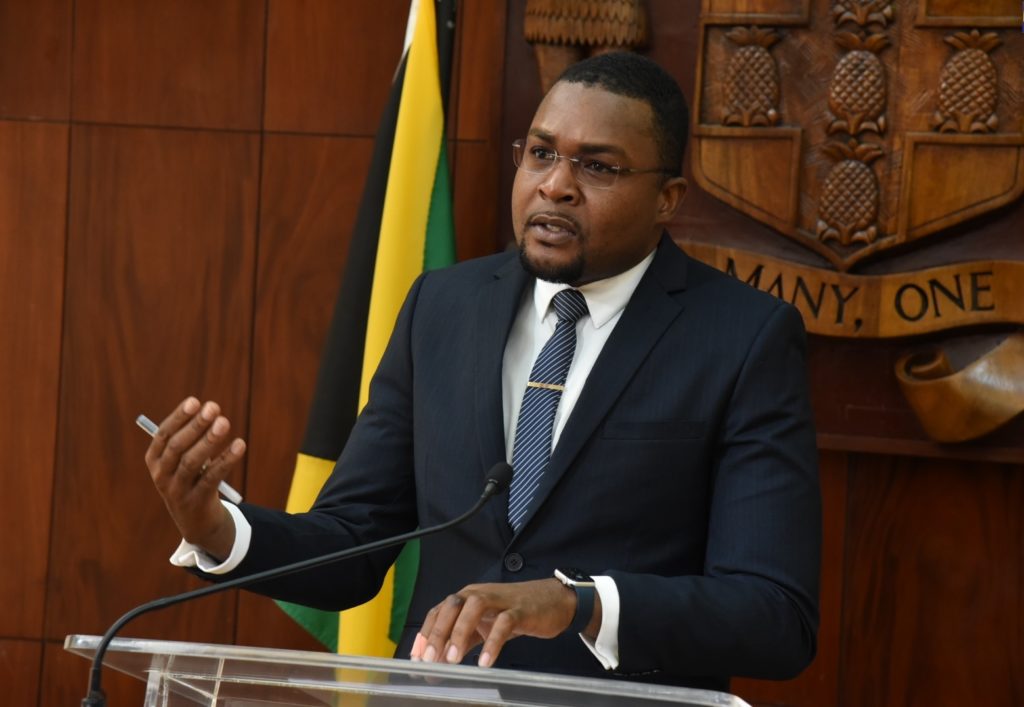
“MPs and ministers now have a responsibility to demonstrate to the people of Jamaica even more than we were doing before, that we are working for them.”




Comments