Sunday Sips with H.G. Helps | Golding solid, but no mention of democratic socialism; Good move to have conference in Westmoreland; English v Jamaican language; and Warmington’s unorthodox approach

/ Our Today
administrator
Energetic speech by Golding, but no mention of democratic socialism
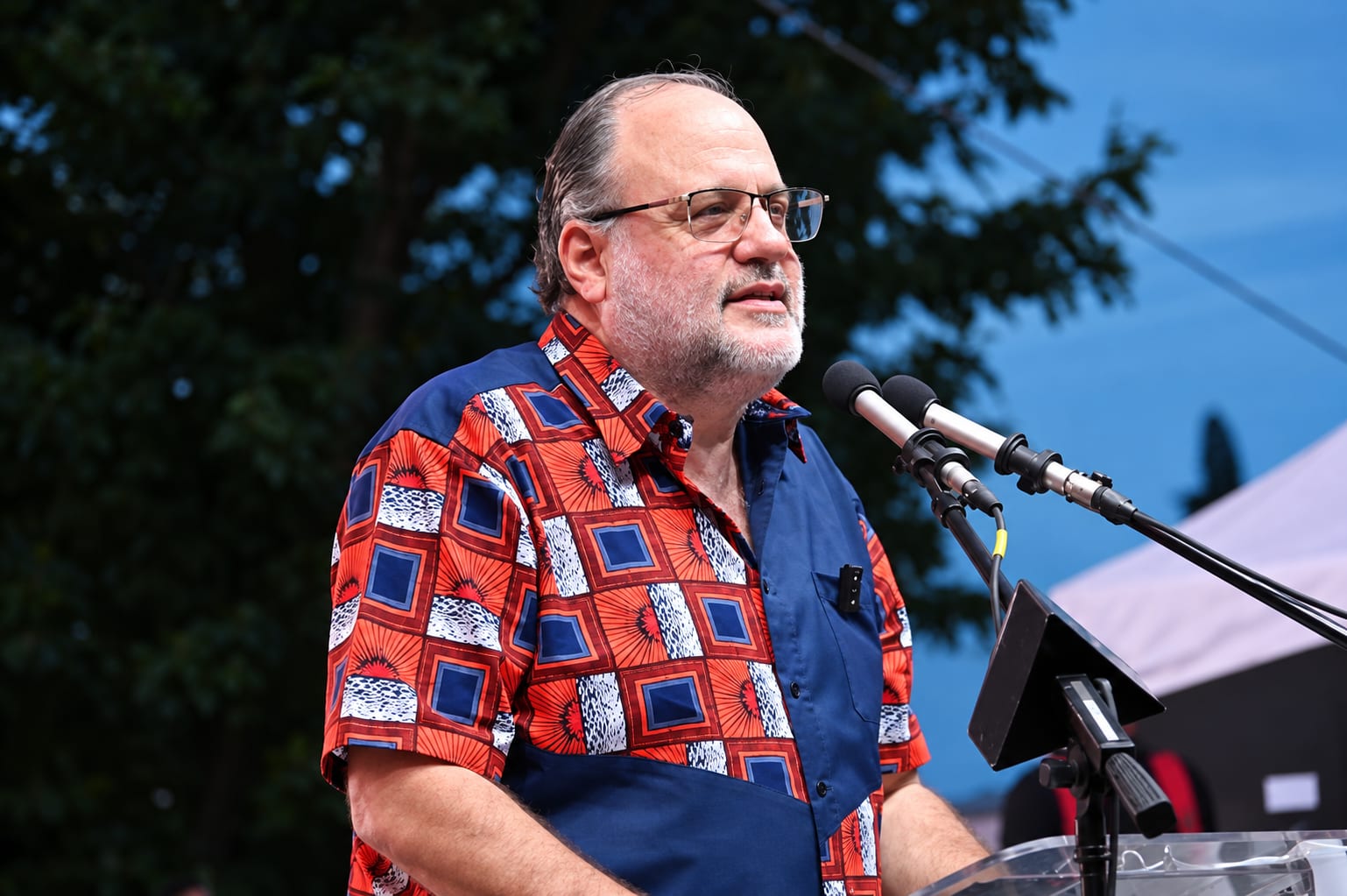
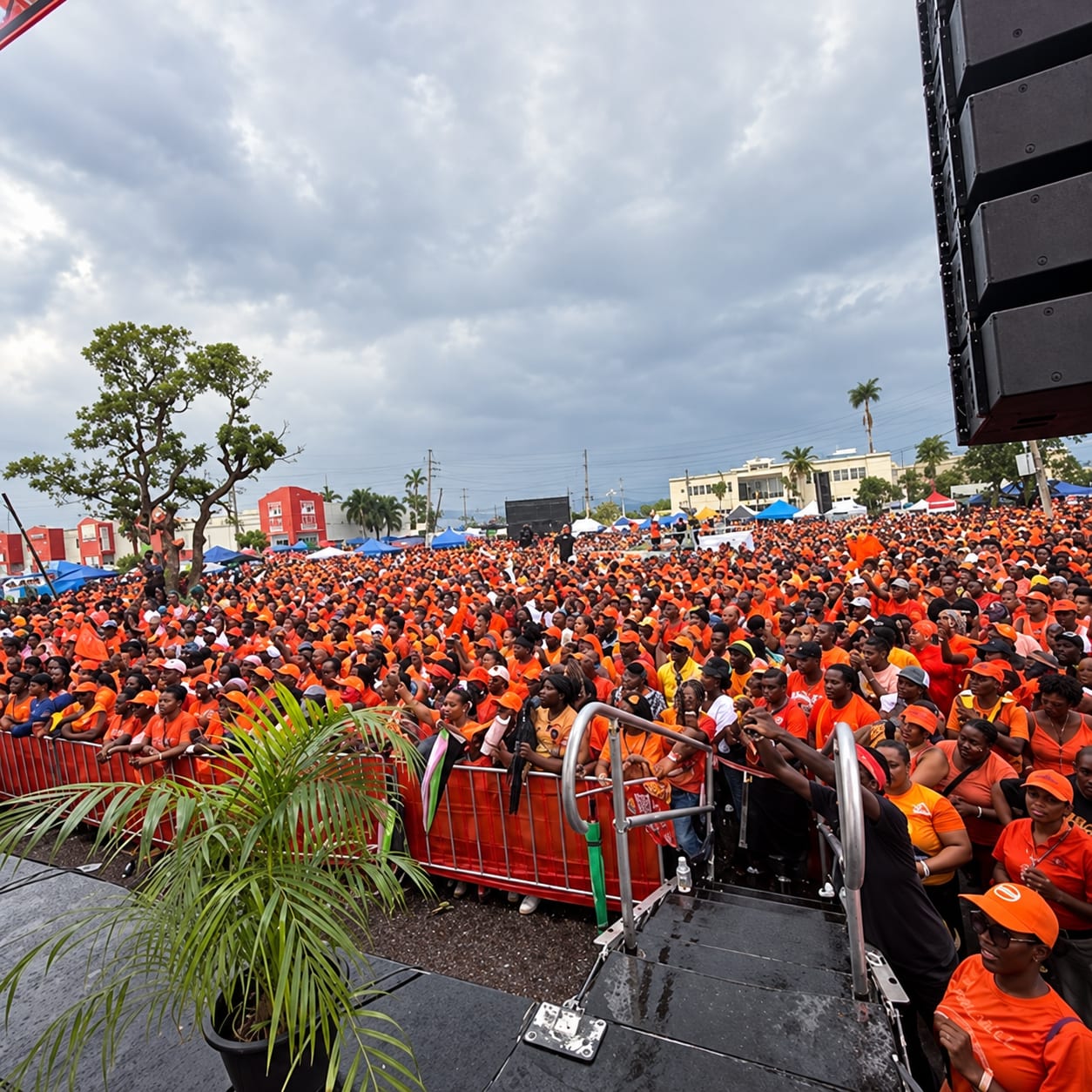
Mark Golding delivered one of his stronger presentations last week. His address in Westmoreland Central animated not only the estimated 100,000 supporters gathered for the public session of the PNP’s national conference, but also many watching from afar.
As expected, he highlighted several failures of the Government and outlined what the PNP would do differently if elected – or, more precisely, what the party has already proposed as alternatives to the administration’s current approach. At times, the tone even suggested a general election was just weeks away.
The sharpest point came when Golding accused the Government of a “shameful breach of trust” in its treatment of the people of Westmoreland. He lamented the absence of a programme to support small business operators and urged the administration to present a credible recovery plan for the many still suffering, while rejecting partisan victimisation.

Yet one glaring omission stood out: no mention of democratic socialism, the party’s foundational political philosophy since 1938. After Michael Manley demitted office, the ideology seemed to fade from the party’s agenda, despite its constitutional presence and its most pronounced era between 1972 and 1980.
This is especially striking because Golding recently declared that the PNP would once again bring democratic socialism to the forefront – an implicit admission that the party had neglected its own constitutional mandate for too long.
Given that his presentation lasted 53 minutes and 57 seconds, Golding could easily have devoted a few minutes to outlining how the party intends to re-engage with democratic socialism. Even if the leadership has not yet met on the matter, he could have sketched the broad contours of the approach.
He might have addressed:
- Whether constitutional amendments are needed to clarify or broaden the ideological framework
- What democratic socialism means for party members and supporters, many of whom misunderstand the system or are misled by ignorance
- How the system can work in practice, and the style of governance the party intends to adopt
- Comparisons with global economies operating under socialist or social democratic models
- Lessons from the Manley era – arguably the island’s most productive eight-year period
- The role of external forces, including the CIA’s destabilisation efforts during the height of democratic socialism
- How local merchants and capitalists coordinated to stifle growth and undermine national structures
One hopes that this important item on the people’s agenda will soon be addressed with the seriousness it deserves.
Having conference in Westmoreland a wise move
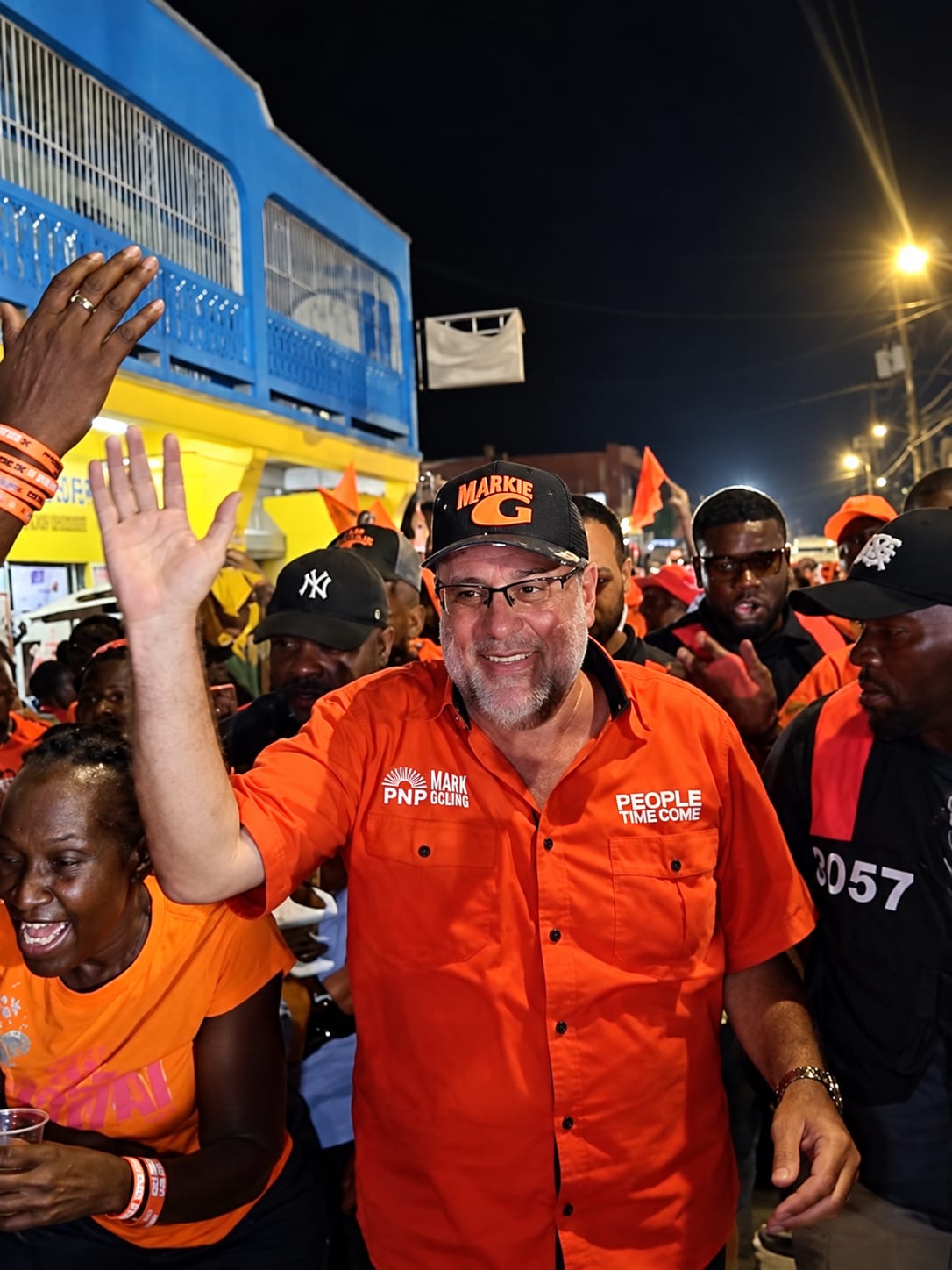
Whoever proposed holding the public session of the PNP’s 88th national conference in Westmoreland deserves commendation. The idea – reportedly attributed to General Secretary Dr Dayton Campbell, though not yet confirmed – reflects strategic thinking and a sensitivity to national mood. Campbell’s brilliance is well known, even if his style occasionally irritates some.
The gathering at Orange Hill drew movement from every parish, but more importantly, it allowed the people of Westmoreland to feel seen and valued at a time when recovery from Hurricane Melissa has been painfully slow.
Westmoreland was the first parish struck by Melissa and suffered the worst damage – and by far to boot. Yet the Government’s recovery efforts have prioritised St Elizabeth and St James, both strongholds where the administration dominates the seat count. By contrast, the PNP won all three Westmoreland seats in the 2025 general election, as well as both of those in neighbouring Hanover, which also suffered heavily.
This imbalance cannot be justified. Fairness demands that national recovery efforts be equitable, regardless of political affiliation. Suffering does not recognise party colours.
Just as Black River – located in the St. Elizabeth South Western constituency, represented by Agriculture Minister Floyd Green – has received significant attention, other affected communities deserve similar scrutiny and support.
Recent visits to sections of Westmoreland, including Cornwall Mountain and Bethel Town, reveal communities still struggling. Yet residents are not sitting idly, waiting on “Andrew’s magic wand” or divine intervention. They are working, rebuilding, and surviving.
The newly established NaRRA (National Reconstruction and Resilience Authority) has promised to correct longstanding issues that have choked the system for nearly a year. The country will be watching closely.
English v Jamaican language
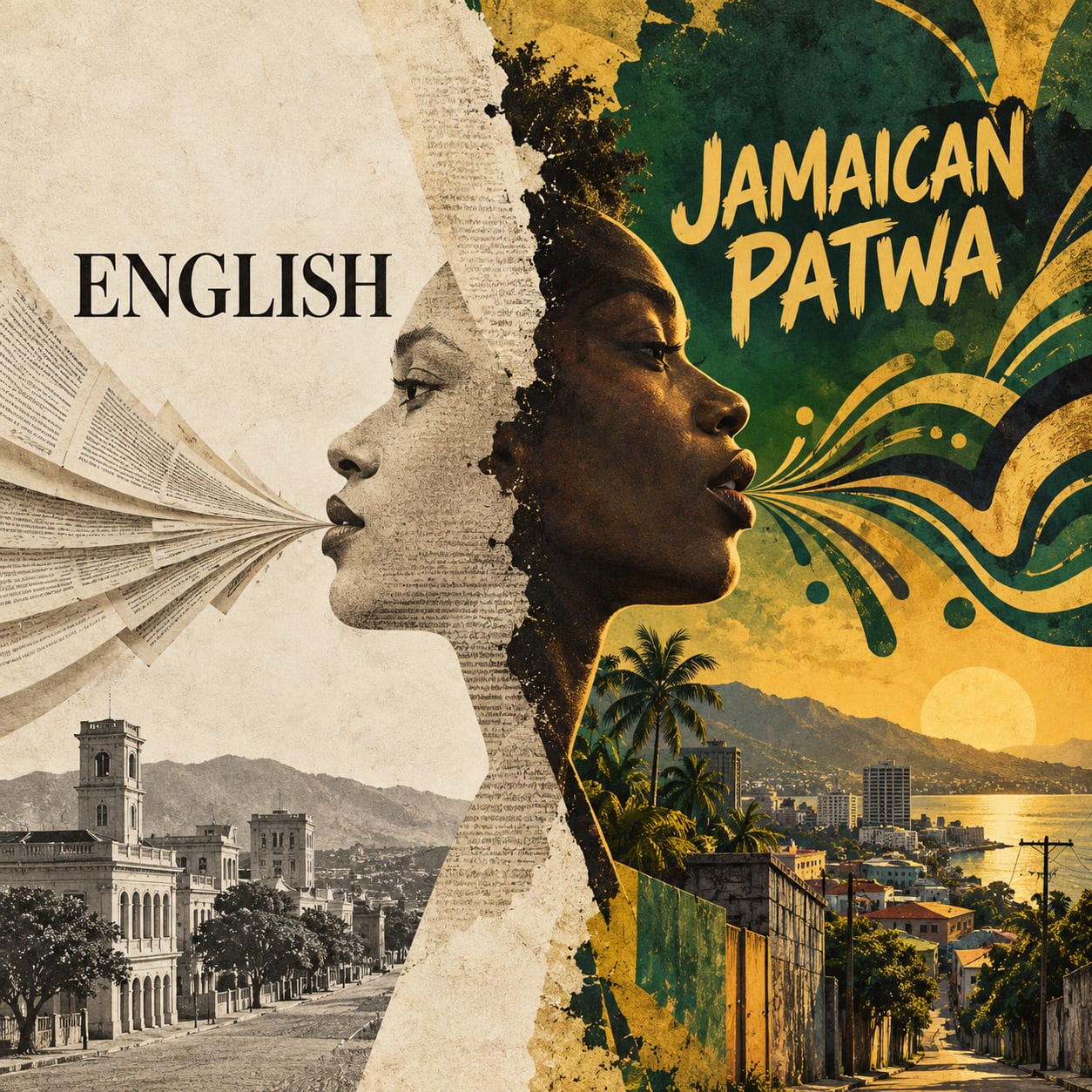
The debate over how Jamaicans speak – and how our words should be spelt, taught, and pronounced – is not going away anytime soon. For decades, arguments about whether the Jamaican language should replace English as the country’s primary tongue have consumed enormous energy, often without producing clarity or consensus.
But one thing must be stated plainly: Jamaica does not have a linguistic free‑for‑all. The Jamaican language – properly called Patwa, not “Patois” – has undergone serious, academically grounded standardisation.
The Cassidy–JLU writing system, developed by linguist Frederic Cassidy and refined by the Jamaican Language Unit (JLU) at the University of the West Indies, is a full phonemic orthography designed to represent Jamaican speech accurately and consistently. It uses standard Roman letters, avoids diacritics, and spells words exactly as they sound across the island. Under this system, English‑derived spellings are abandoned; sick becomes sik, band becomes ban, and vowel length is marked by doubling (aa, ii, uu). Digraphs such as ch, gy, and ky capture sounds unique to Patwa.
This is not a fringe project. Cassidy first proposed the system in 1961, and it gained authority through works like the Dictionary of Jamaican English. In 2002, UWI Mona established the Jamaican Language Unit to promote standardisation and support the linguistic rights of citizens who are not native English speakers. Major publications have followed, including Di Jamiekan Nyuu Testiment, the Patwa translation of the New Testament – a landmark in Jamaican linguistic history.
Given all this, the old claim that “one word may be spelt 13 times, depending on who is using that word” no longer reflects the state of the language. Patwa has a standard. What Jamaica lacks is widespread adoption of that standard.
And this brings us to the real issue: professionalism in public speech.
The recent incident in Parliament involving Clerk Colleen Lowe illustrates the problem. While addressing the House, she pronounced “levy” as “Levy” and dismissed the correction as “the same thing.” But pronunciation does matter – especially in the legislature, where clarity, precision, and respect for the record are essential. The bauxite levy (pronounced levee) is not a trivial term; it is a historic policy introduced by Michael Manley in 1974 after mining companies had long exploited Jamaica’s resources, at one point paying as little as a penny per ton under Sir Alexander Bustamante’s administration.
Language is not a game. It is a tool of governance, law, and national identity. Whether one speaks Patwa or English, accuracy is not optional.
The deeper problem is that Parliament has, in recent years, displayed uneven standards – from questionable staffing decisions to procedural missteps that have raised eyebrows. The country cannot afford linguistic laxity on top of institutional laxity.
Patwa has a standard. English has a standard. Jamaica needs public officials who respect both.
We are not in a position now to play games with our language.
Warmington’s approach
The reactions in the House of Representatives – discomfort on the Government benches and visible glee among Opposition members – spoke volumes when veteran MP Everald Warmington addressed Jamaica’s decision to send a delegation to deliver a reparations letter to King Charles.
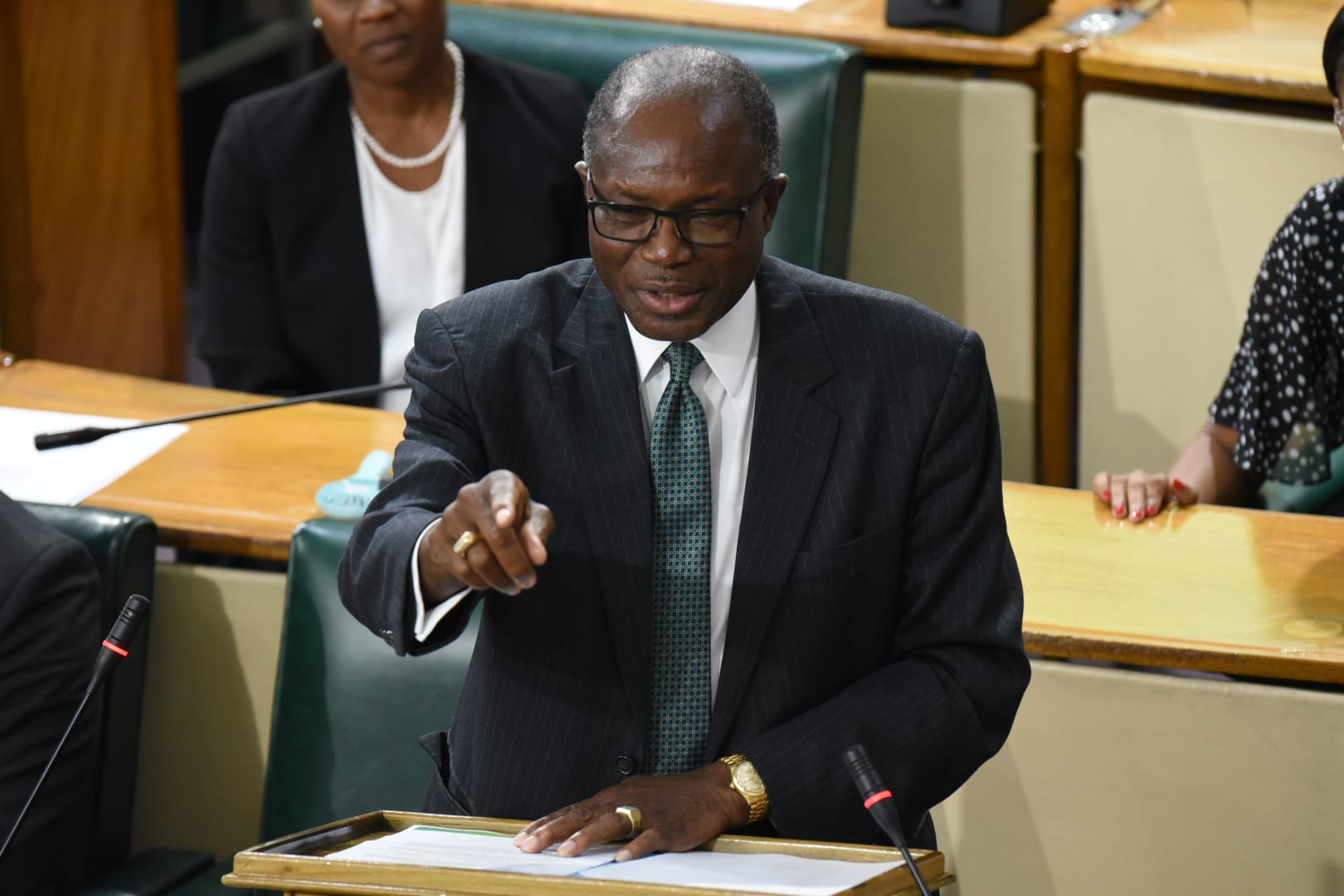
Warmington, known affectionately (and sometimes fearfully) as “War-boat,” once again spoke his mind. He criticised an action linked to a Government member, and he did so with characteristic bluntness.
Whether one likes him or not, Warmington remains one of the most consistent MPs in speaking plainly, even when it irritates colleagues. Parliament needs more of that honesty. Rarely does an Opposition member publicly criticise a colleague for foolishness, and on the Government side, Warmington stands almost alone in challenging his own team when necessary.
He was right to express his concerns. Others may disagree – that is their right – but his willingness to speak openly is valuable.
If only Warmington would apply the same level of scrutiny to both Government and Opposition matters consistently, Jamaica’s parliamentary culture would be stronger for it.
H G Helps is a veteran journalist




Comments