Dennis A. Minott | Follow the slave’s energy and their adaptable smarts

/ Our Today
administrator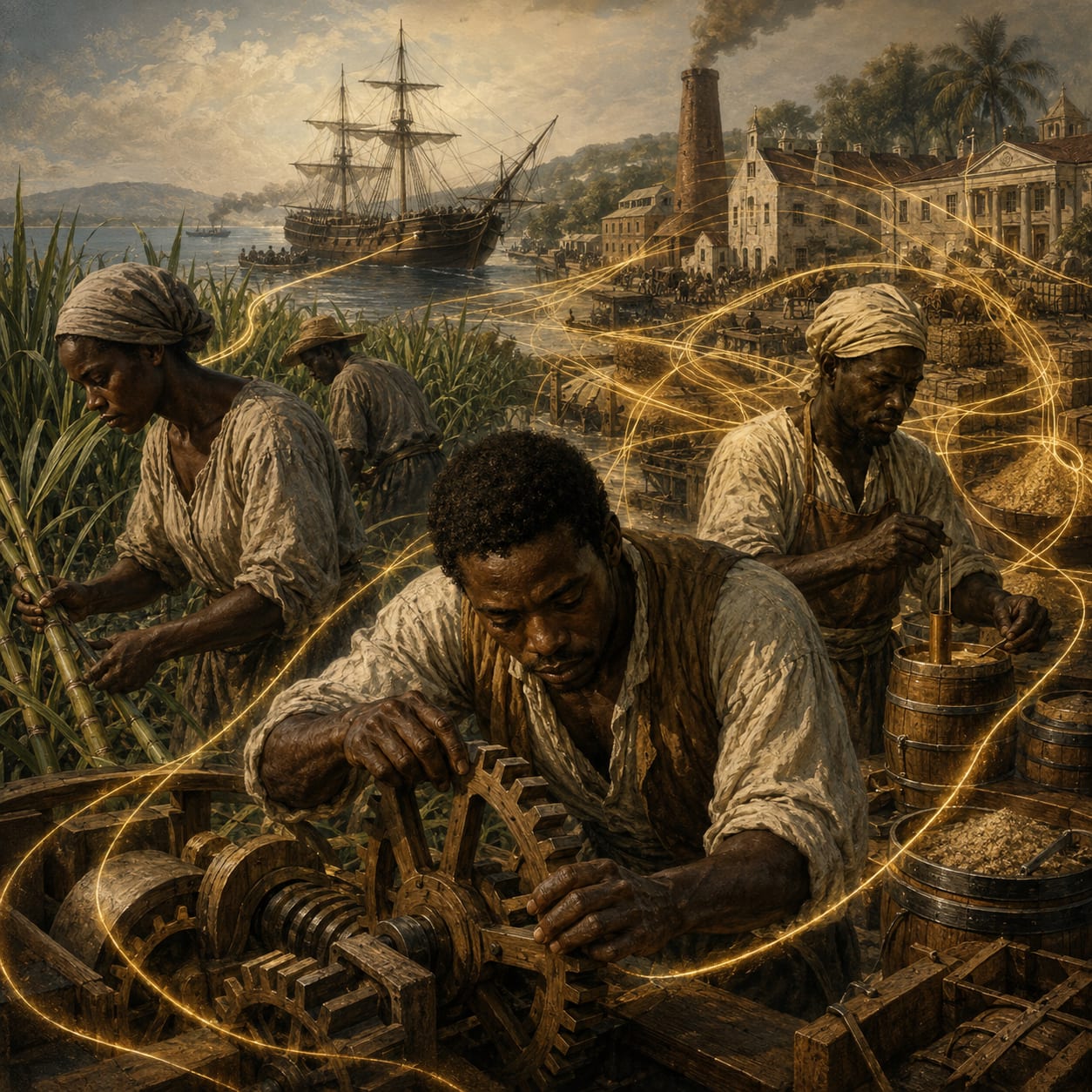
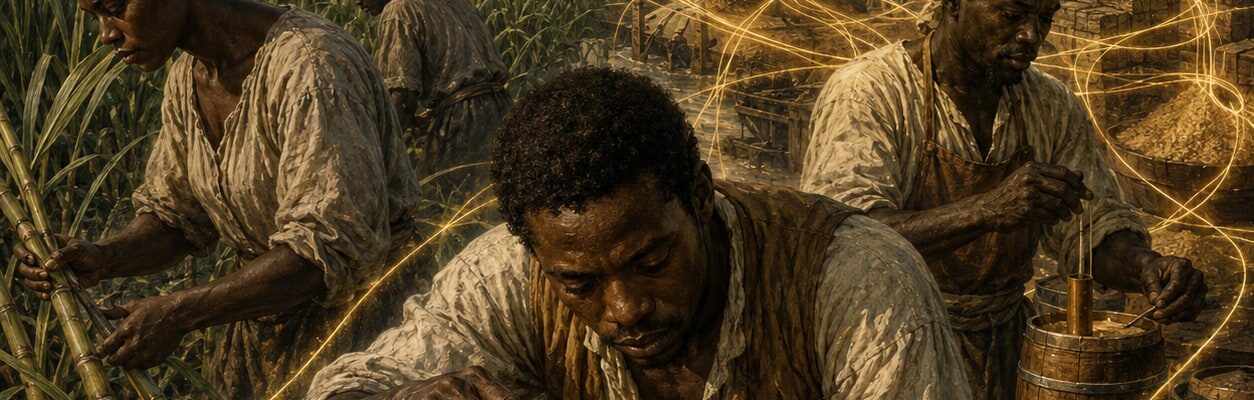
When we speak about the wealth generated by chattel slavery, we too often follow the money but fail to follow what produced it.
We count sugar, coffee, cotton, indigo, tobacco and rum. We calculate exports, profits, taxes, investments and fortunes. We name merchants, financiers, plantations, trading houses, banks and empires. We examine ships, ports and markets.
But there is a prior question that must be asked:
Who supplied the energy and intelligence that made this extraordinary accumulation of wealth possible?
Follow the slaves’ energy—and their smarts.
The phrase may sound deliberately provocative. It is. But it points toward an economic truth that conventional accounting has too often obscured.
At its most elemental, wealth creation requires resources, energy, knowledge, skills, organisation and human effort. Under chattel slavery, enslaved Africans were forcibly inserted into this production system not merely as “labour,” but as human beings whose bodies supplied energy, whose minds supplied intelligence, whose experience supplied practical knowledge, and whose adaptability supplied the capacity to survive and produce under extraordinarily hostile conditions.
Their compensation was not a wage.
Their consent was not sought.
Their productive capacity was appropriated.
And the wealth created from it was overwhelmingly claimed by others.
Consider the plantation.
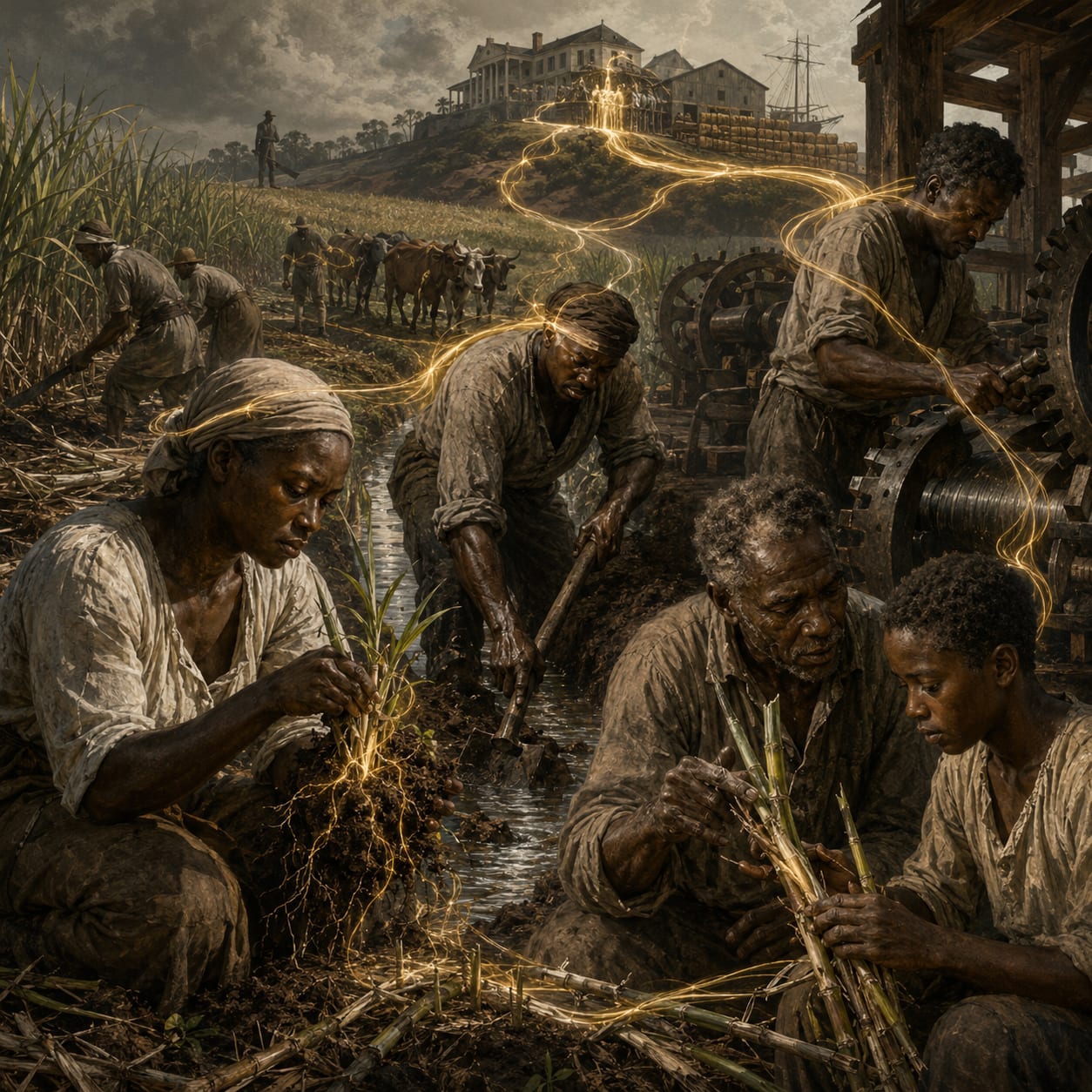
Nature supplied the land, sunlight, rainfall, soil and biological resources. But nature did not plant the cane, weed it, harvest it, carry it, cut it, mill it, process it and transform it into exportable sugar.
Human beings did.
And they did so with far more than muscle.
Plantation production required knowledge of soils, seasons, cultivation, drainage, propagation, harvesting, animal husbandry, tool use, construction, processing and countless other practical disciplines. Enslaved Africans brought knowledge from Africa and acquired new knowledge under Caribbean conditions. They adapted to unfamiliar ecologies, developed skills, solved practical problems and transmitted knowledge from one generation to another.
The enslaved were therefore not simply biological engines powering someone else’s economic machine.
They were energy systems coupled to intelligence.
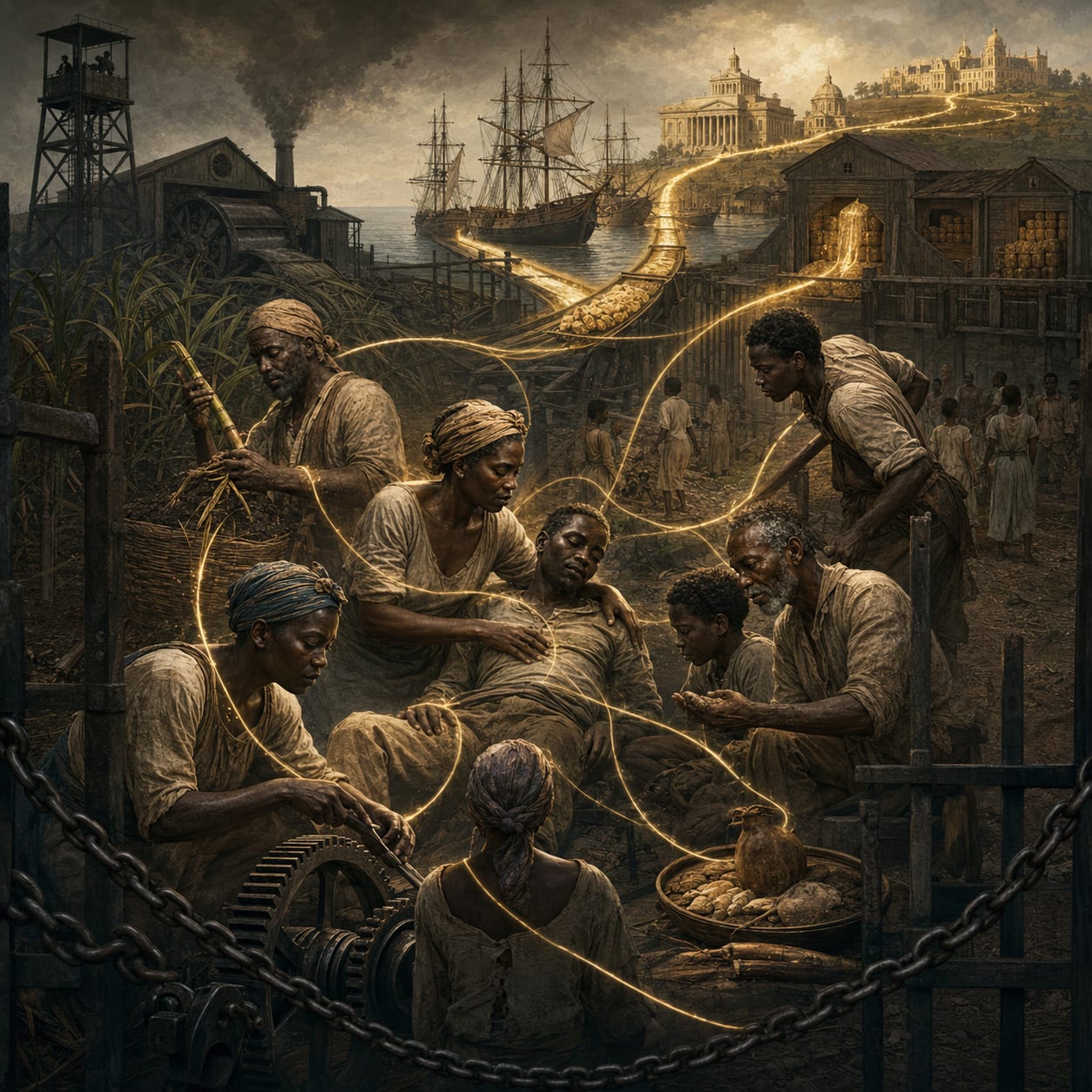
Their physical energy was renewable in the biological sense: human beings ate, rested, recovered and returned to work. But their knowledge and skills were also renewable—because knowledge could be learned, adapted, improved and transmitted.
That combination was enormously productive.
And therein lies one of history’s great moral and economic paradoxes.
A system that proclaimed enslaved Africans to be property nevertheless depended upon their humanity to make that “property” economically productive.
The plantation owner could purchase a person, but could not purchase intelligence separately from the person. He could command labour, but could not eliminate the need for judgment, experience, adaptability and skill. He could impose discipline, but the actual transformation of land and biological resources into commodities still depended upon human beings who knew how to make the system work.
The cruelty was therefore not incidental to the economic system.
It was integral to its appropriation of human productive capacity.
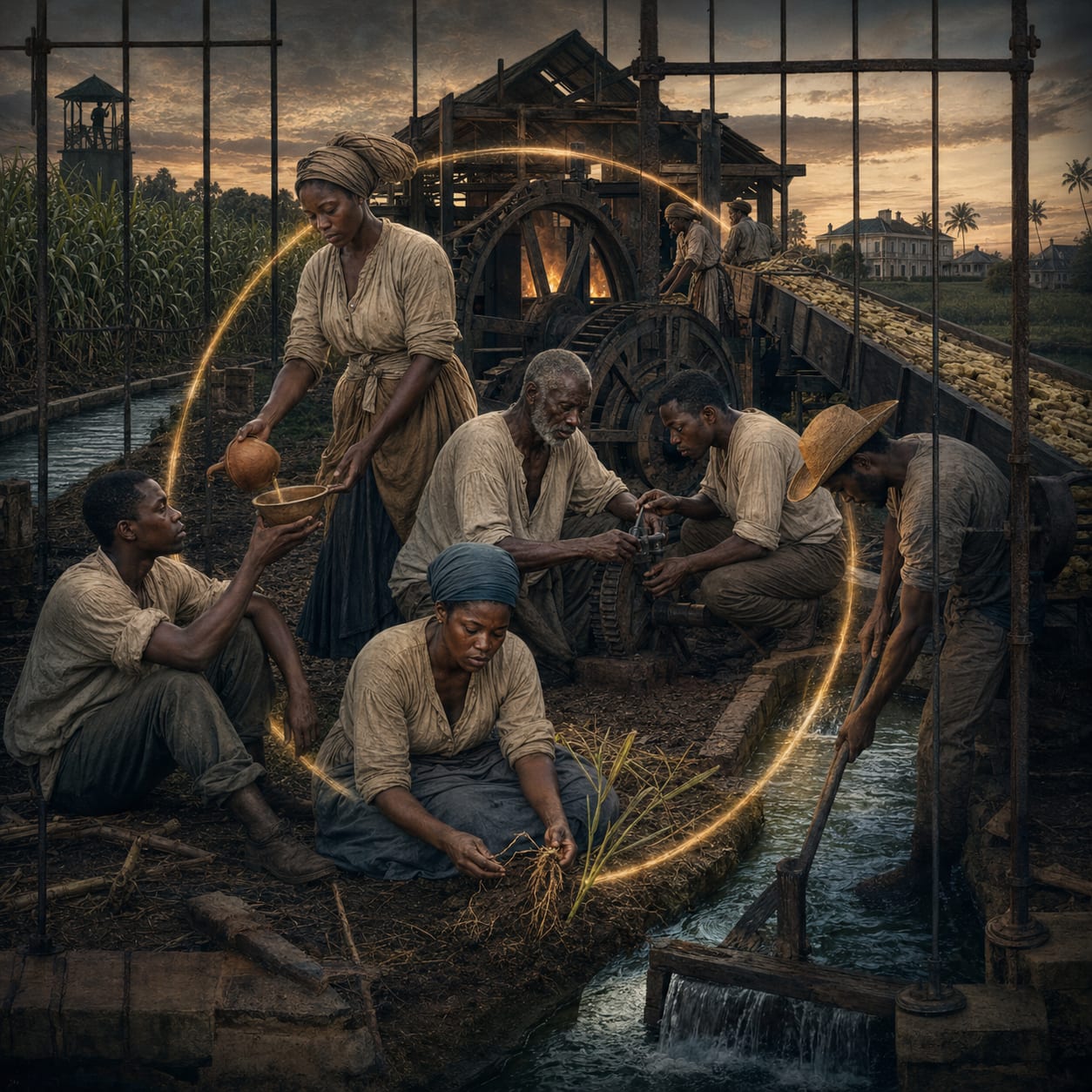
Violence, surveillance, punishment, forced biological reproduction, family separation, deprivation and the denial of freedom were mechanisms through which control over human energy and intelligence was maintained.
This was wealth extraction without meaningful compensation.
The enslaved person received no equitable share in the value created by his or her productive capacity. The wealth generated by that capacity could instead accumulate elsewhere—in plantations, merchant houses, shipping enterprises, financial institutions, estates, governments and imperial economies.
The transaction was profoundly asymmetrical:
The enslaved supplied the energy.
The enslaved supplied the intelligence.
The enslaved supplied the skills and adaptability.
Others appropriated the resulting wealth.
That is the economic anatomy of the crime.
And it matters because the consequences did not end when emancipation arrived.
A debt does not disappear merely because the mechanism that created it has been formally abolished.
Britain and other European powers did not simply receive commodities from enslaved labour. They accumulated capital, commercial experience, infrastructure, institutional capacity and intergenerational wealth from systems in which the producers themselves were denied the fruits of their production.
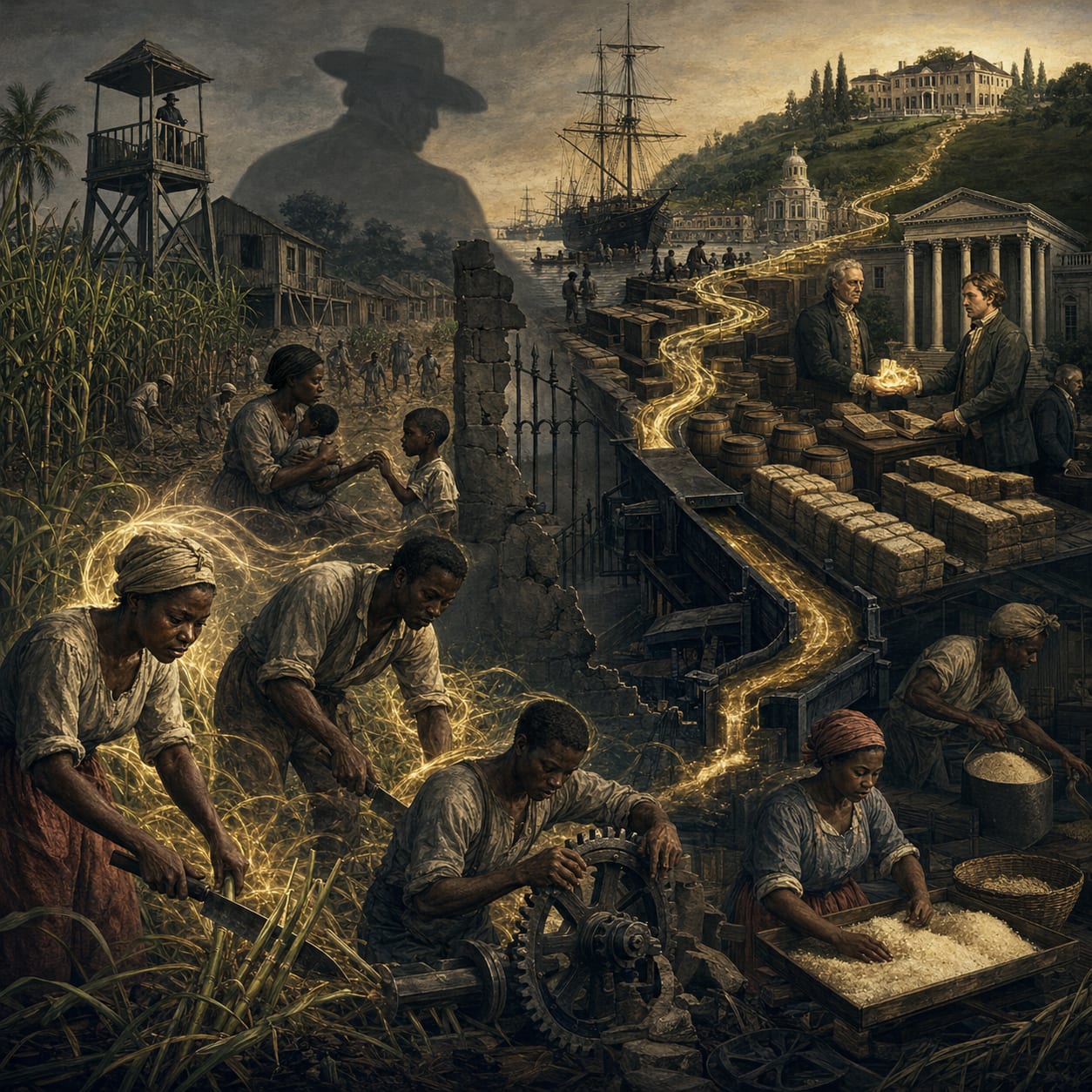
Indeed, in the British case, the historical record becomes even more morally difficult when one remembers that compensation after abolition was structured around the interests of slave owners rather than the people who had endured enslavement. The formerly enslaved were not compensated for the theft of their liberty, labour, family life, health, opportunities and accumulated productive value.
They were expected to begin “freedom” with the consequences of centuries of uncompensated extraction.
That is not merely a historical curiosity.
It is part of the unfinished economic ledger.
The reparations question, therefore, should not be reduced to an emotional demand that modern people somehow be punished for what their ancestors did. The deeper question is institutional:
What happened to the wealth generated through an economic system that extracted human energy, intelligence and skills without compensation—and which institutions, estates, corporations, governments and economies subsequently benefited from that extraction?
That question moves the discussion beyond guilt and toward accounting.
It also helps explain why reparations cannot be dismissed simply by saying, “That was hundreds of years ago.”

Some debts are historical in origin but institutional in consequence.
Capital compounds.
Land ownership persists.
Institutions survive.
Universities retain endowments.
Financial systems inherit accumulated capital.
Families inherit assets.
Countries inherit infrastructure and economic advantages.
And societies inherit disadvantages.
The descendants of those who were robbed do not necessarily inherit the stolen property. But the descendants of those who benefited may inherit assets, institutions and advantages whose historical accumulation cannot be entirely separated from that system of extraction.
This is why the language of “debt” deserves serious consideration.
Not a debt owed because every living individual is personally guilty.
A debt owed because institutions and societies can inherit obligations just as they inherit assets, privileges and wealth.
The most compelling reparations argument may therefore be neither vengeance nor charity.
It is restitution.
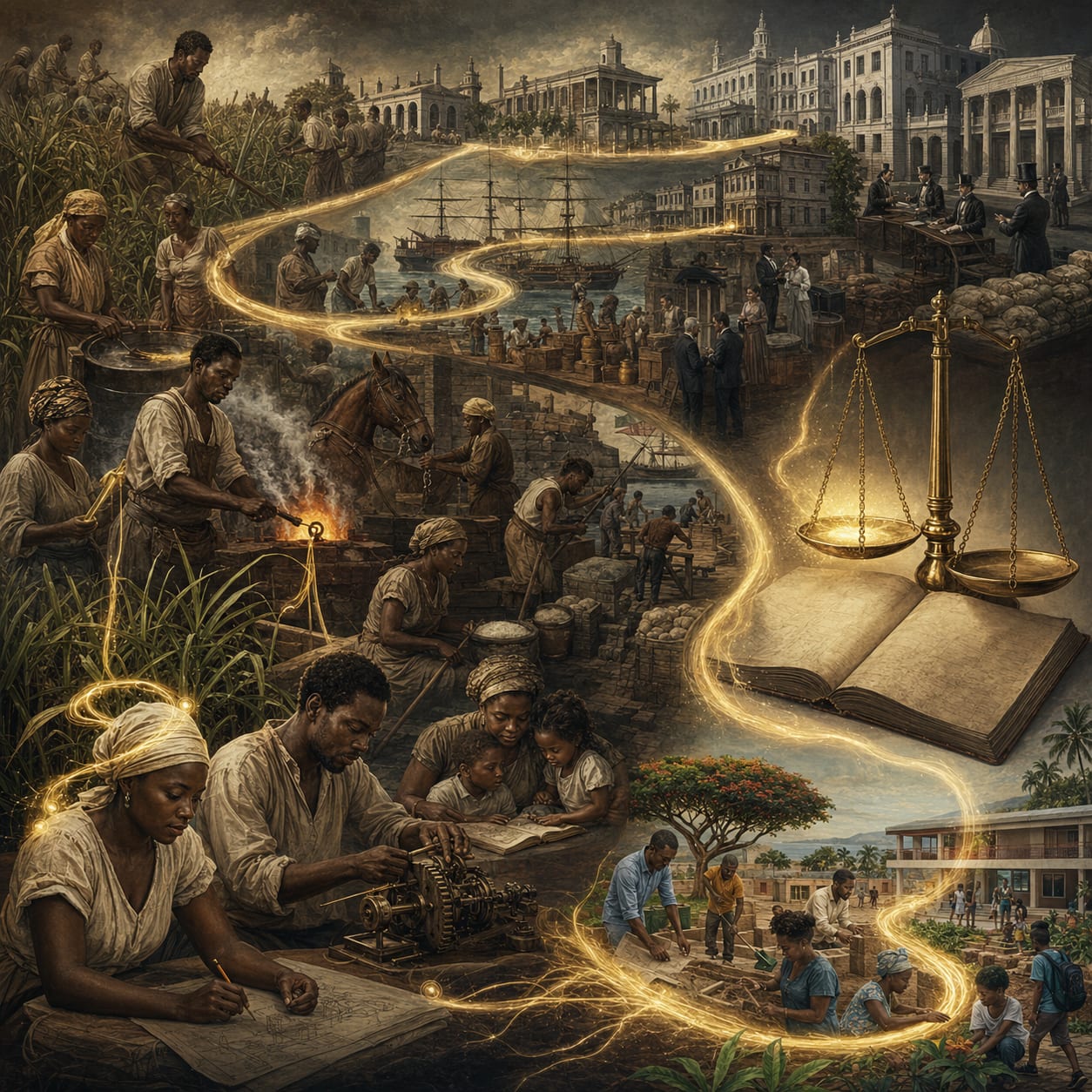
If slavery transformed human energy and intelligence into wealth without compensation, then reparative justice asks whether some portion of the enduring benefits of that historical extraction should now be directed toward correcting the structural consequences suffered by those whose ancestors generated that wealth.
And this brings us back to energy.
There is something almost poetic about recognising enslaved Africans as the original renewable energy resource of the plantation economy—not because they were objects or machines, but because the system treated their living bodies as inexhaustible sources of productive power.
The analogy exposes the obscenity.
Unlike solar radiation, wind or flowing water, human beings possessed consciousness. They had families, aspirations, intelligence, creativity, dignity and the capacity to resist. They were not “resources.” They were people whom a system violently converted into instruments of production.
And unlike modern renewable energy, their energy was extracted through coercion.
Their “fuel” was food and their own biological capacity.
Their control system was violence and their sensors were nerves.
Their operating environment was captivity.
Their output was commodities.
Their compensation was stolen.
Their profits accumulated elsewhere.
That is why we should follow the slave’s energy—and the smarts.
Follow them into the cane fields.
Follow them into the boiling houses, workshops, kitchens, stables, construction sites and ports.
Follow their knowledge into plantation production.
Follow their skills into the commodities.
Follow the commodities into the ships.
Follow the ships into the markets.
Follow the profits into merchant houses, estates, banks, governments and institutions.
And then follow the wealth forward through history.
Only then can we begin to see the full dimensions of the debt.
The question is not whether the enslaved created wealth.
They did.
The question is whether the beneficiaries of that wealth ever fully compensated its unwilling producers.
They did not.
And if the debt was never repaid, then the moral and institutional question remains:
Who still owes—and what would genuine repayment look like?





Comments