Denton Smith | If reading and research maketh the man, read the whole record

/ Our Today
administrator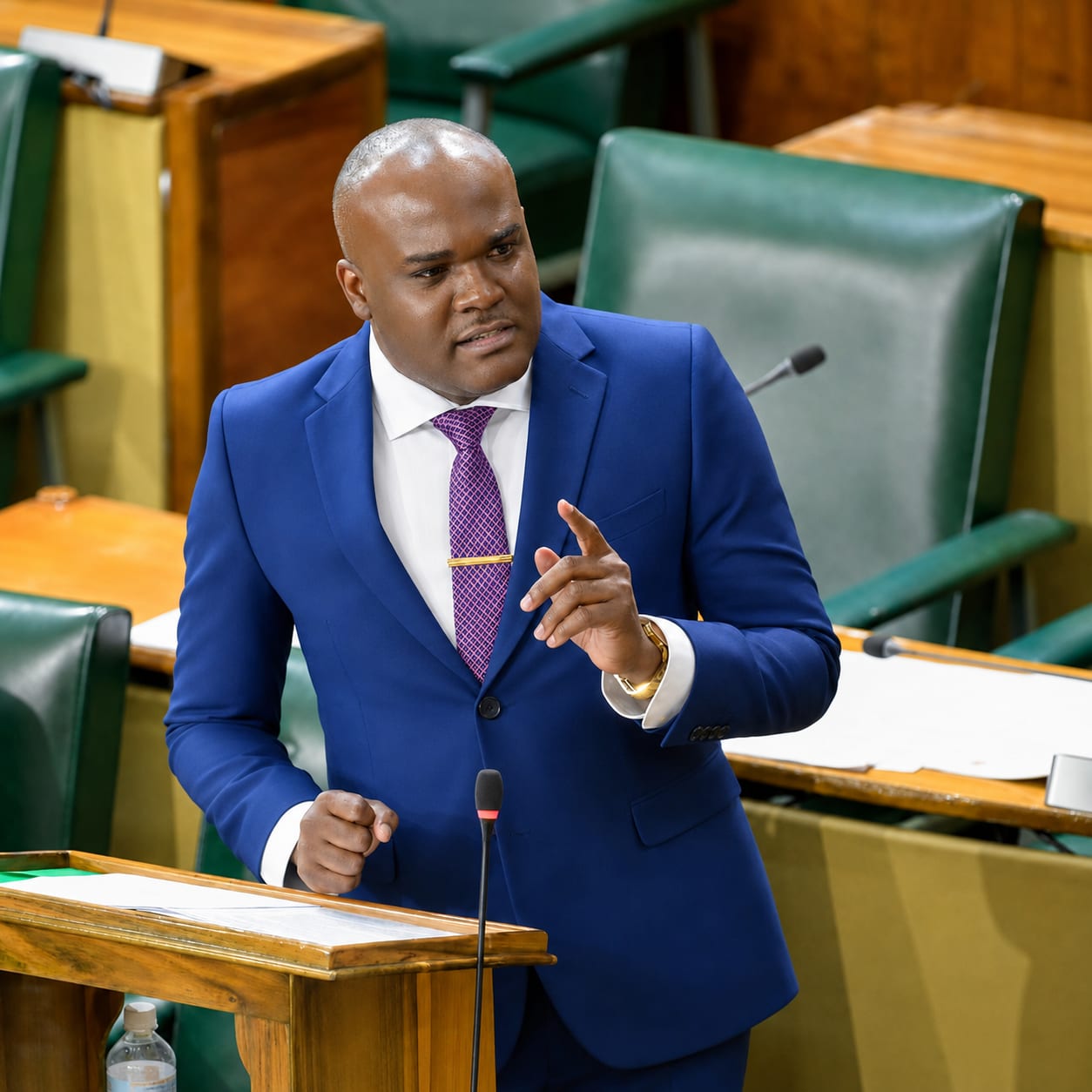
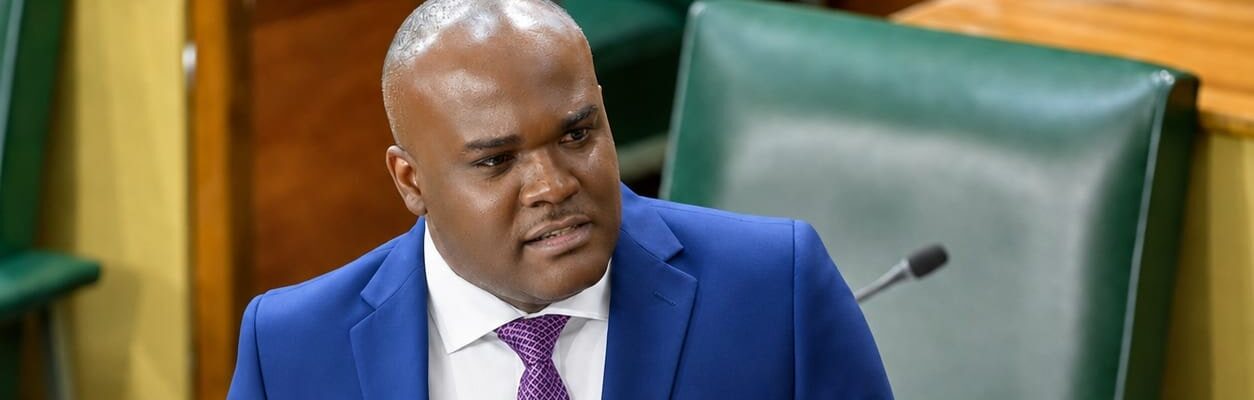
Senator Abka Fitz-Henley ends his recent broadside against Michael Manley, democratic socialism and those he labels its “apologists” and “fanatics” by reminding his critics that “reading and research maketh the man and woman.”
On that point, we agree.
But if one invokes research as the standard by which everyone else should be judged, then one must be prepared to follow the historical record even when it complicates a convenient political narrative.
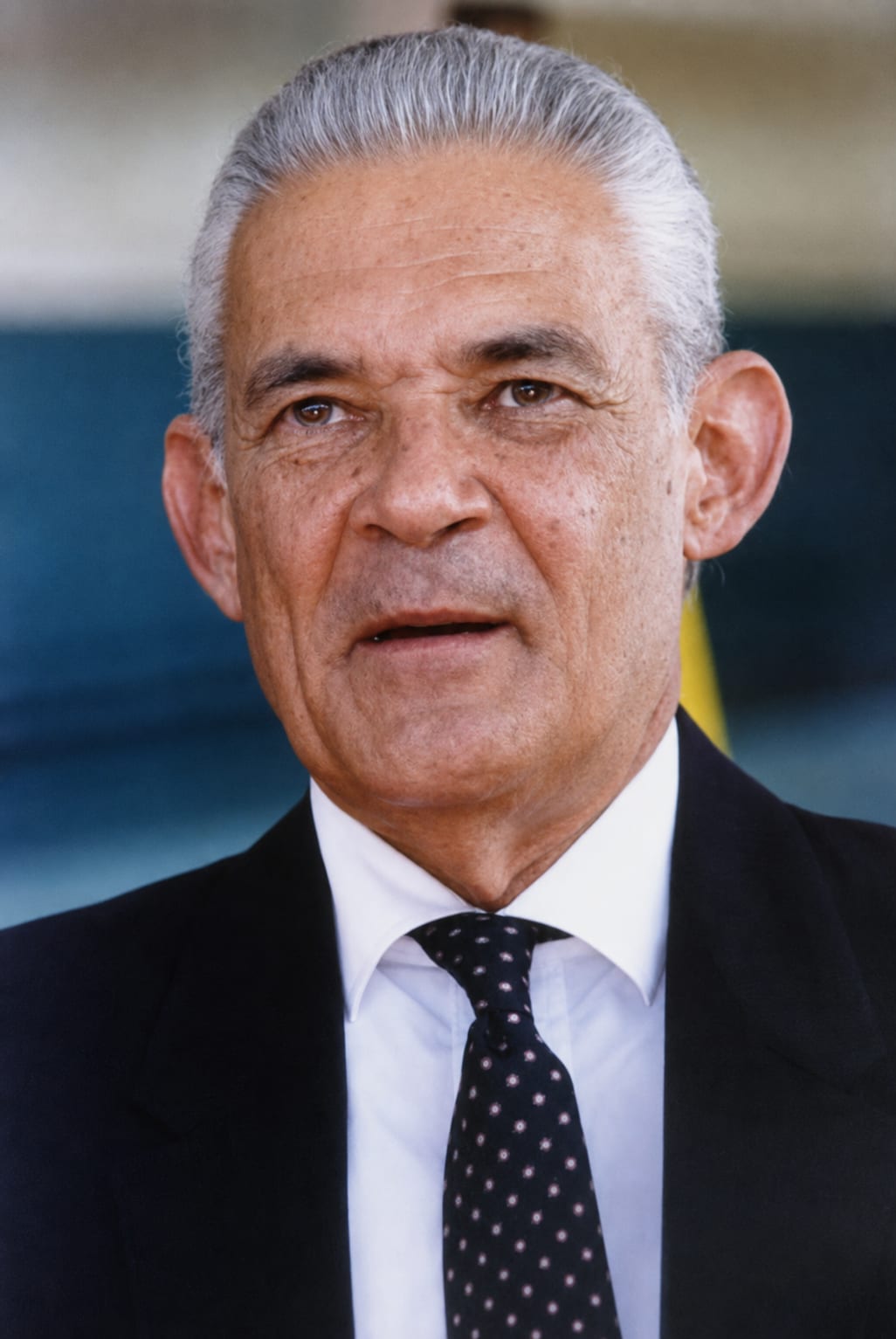
Take the senator’s extraordinary assertion that the policies of the Manley administration “set our economy back by approximately fifty years.”
Fifty years according to what measure?
GDP? GDP per capita? Employment? Productivity? Consumption? Educational attainment? Housing? Life expectancy?
No measurement is supplied.
Jamaica certainly suffered a severe economic contraction during the 1970s, and nobody interested in serious history should deny it. But the IMF’s own retrospective assessment is considerably more nuanced than Fitz-Henley’s indictment. It records an almost 30 per cent decline in GDP per capita between 1972 and 1980 and states that this was partly the result of external shocks—including the two oil crises and declining bauxite prices—and partly the result of domestic policies.
That is analysis.
“Democratic socialism set Jamaica back fifty years” is a slogan.
The senator’s treatment of external shocks is particularly curious because he appears to employ two different standards of economic history.
When discussing modern Jamaica, COVID-19, hurricanes, wars, energy prices and global instability are properly invoked when assessing the performance of the present administration. Yet when discussing Michael Manley, oil shocks and geopolitical pressures suddenly become “excuses” advanced by apologists.
Which is it?
Either small open economies such as Jamaica are affected by international events or they are not.
The historical record leaves little room for doubt. A World Bank assessment prepared during the period noted that the tripling of petroleum prices at the end of 1973 posed an enormous problem for Jamaica. The additional 1974 oil cost alone was estimated at an amount equivalent to 18 per cent of Jamaica’s 1973 export earnings and greater than the country’s net foreign-exchange reserves at the end of that year.
Another World Bank assessment subsequently observed that Jamaica’s 1979 import bill rose largely because of oil, with oil imports jumping from approximately US$194 million in 1978 to US$335 million in 1979 and an estimated US$440 million in 1980.
Those are not inventions of Michael Manley’s admirers.
They are numbers.
Neither can geopolitics simply be waved away.

Declassified American diplomatic records show that Jamaica was deeply entangled in Cold War politics. In May 1978, the United States Ambassador recorded that Edward Seaga’s political confidant, Senator Ronald Irvine, conveyed Seaga’s view that major bilateral aid donors should temporarily suspend assistance to Jamaica because continued assistance could help keep Manley in power. The American ambassador rejected the proposition.
Other subsequently declassified American records went considerably further, recording proposed covert-action options aimed at pressuring Manley, including possible political assistance to the JLP.
That does not establish every claim ever made about foreign destabilisation, and intellectually serious people should not pretend that it does. But it conclusively demonstrates that Cold War geopolitical pressure was real—not a fairy tale invented fifty years later by “fanatics.”
Senator Fitz-Henley is perfectly entitled to argue that Manley should have navigated those pressures differently.

What he cannot logically do is acknowledge that the geopolitical headwinds were powerful enough to damage Jamaica and then ridicule others for including those same headwinds when explaining what happened.
But perhaps the most striking irony in the senator’s argument is not found in an IMF report, a World Bank document or a declassified American telegram.
It is found much closer to home.
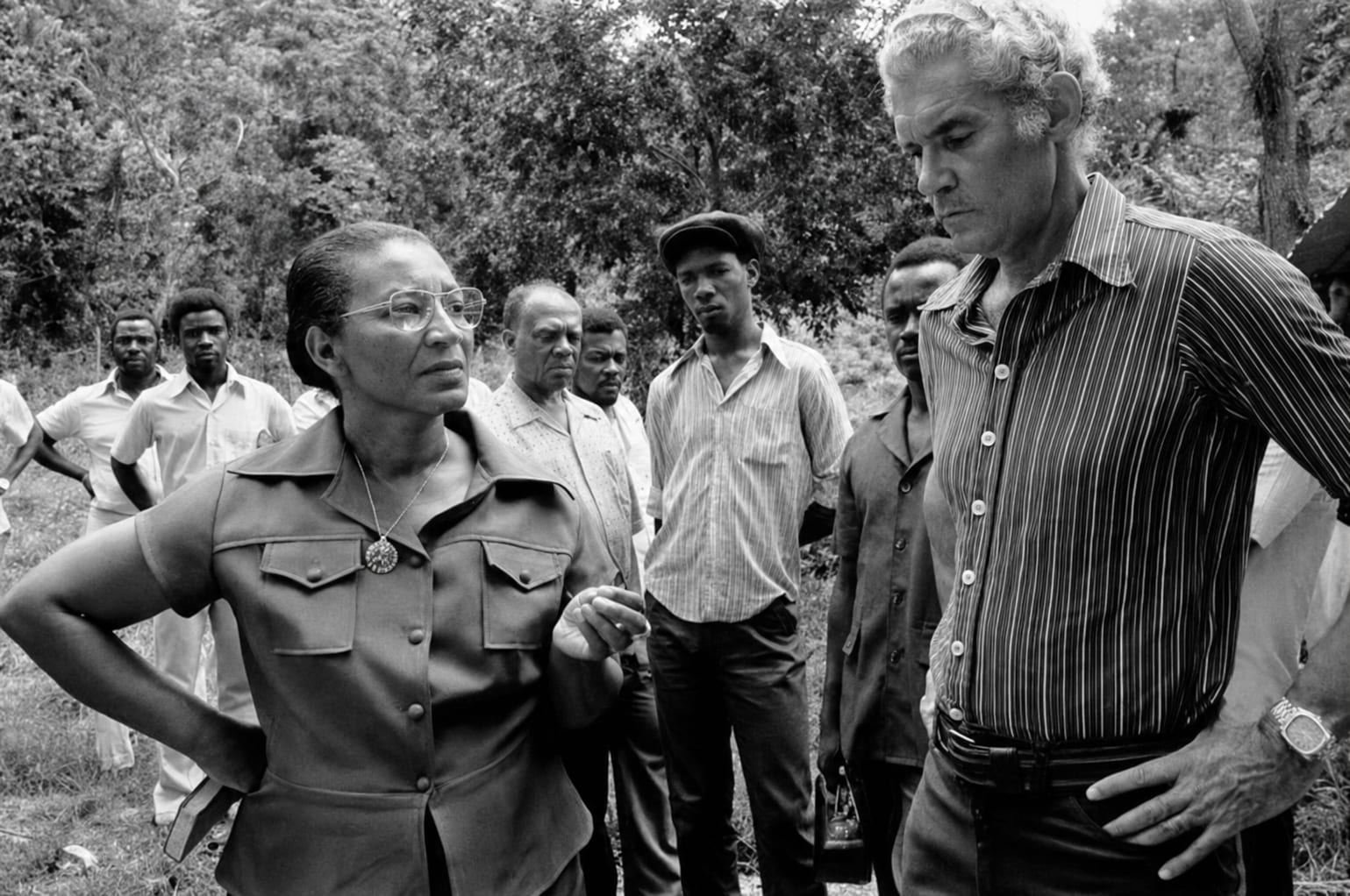
In 1978, while Michael Manley was Prime Minister, the Ministry of Education issued Circular 33/78.
Why?
The Ministry of Education’s own later policy documents record that Rastafarian children were being refused admission to public educational institutions, or suspended after admission, unless they agreed to cut their hair. Circular 33/78 intervened against that discriminatory practice.
That was not abstract ideology.
That changed the lived circumstances of Jamaican children.
And here history becomes intensely personal.
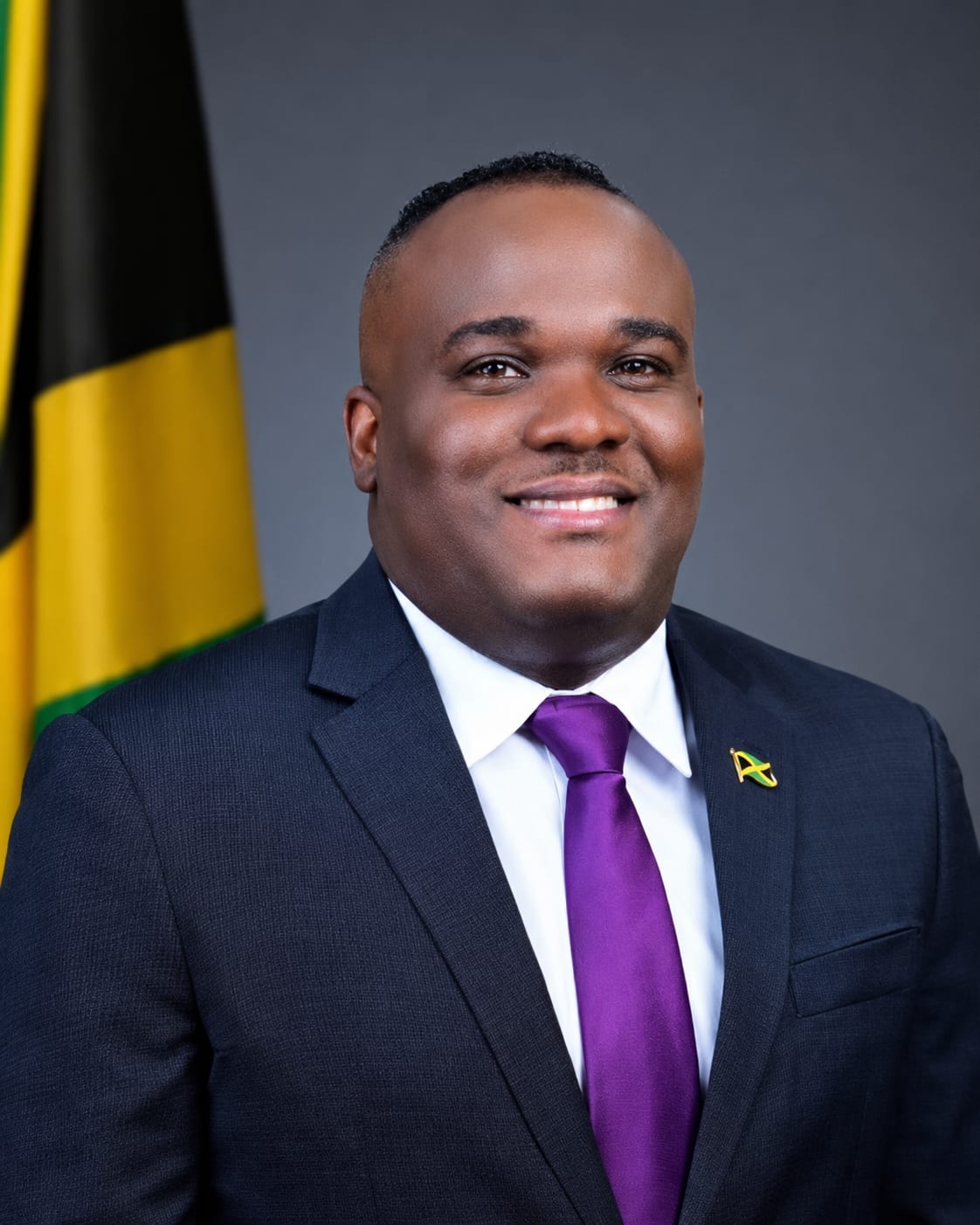
Abka Fitz-Henley was himself a Rastafarian youngster. He attended Ferncourt High School and represented Ferncourt on its debating team while retaining his locks.
Think carefully about what that represents.
Nobody is suggesting that Michael Manley gave Fitz-Henley his intelligence, debating ability, ambition or subsequent professional accomplishments. Those belong to him.
But public policy does not manufacture talent.
Public policy determines whether prejudice is allowed to obstruct talent.
The young Rastafarian who could put on Ferncourt’s blazer, enter a Jamaican classroom, join his school’s debating team and develop his abilities without first surrendering his locks was growing up in a Jamaica where a government had already intervened against the exclusion of Rastafarian children from public education.
That is precisely why Fitz-Henley’s dismissal of Manley-era social achievements as simply things governments are “expected” to do is so inadequate.
Of course governments are supposed to protect citizens.
The point is that before someone acts, the protection may not exist.
Rights that seem ordinary today often seem ordinary only because somebody fought to establish them yesterday.
There was a Jamaica in which a Rastafarian child could be confronted with a cruel choice: cut your locks or compromise your education.
The Manley-era Ministry intervened against that discrimination.
Years later, one of the Rastafarian youngsters able to pursue his education while retaining his locks would become a journalist, government minister and senator named Abka Fitz-Henley.
That fact does not remove his right to criticise Michael Manley.
But perhaps it ought to temper the ease with which he dismisses an entire period of social transformation as an ideological “misadventure.”
And this was hardly the only lasting institutional change.
The National Housing Trust, expanded educational opportunity, stronger labour protections and other social reforms were not accidental ornaments attached to democratic socialism. They reflected its central proposition that opportunity should not be determined solely by inherited wealth, social class or circumstance.

It is therefore intellectually peculiar to detach every successful social reform from the philosophy that inspired it while attaching every negative economic development to that philosophy.
That is not balanced accounting.
It is ideological bookkeeping.
Nor did Jamaica’s economic difficulties conveniently end when democratic socialism left government in 1980.
Under a radically different economic programme, Jamaica continued during the 1980s to struggle with weak growth, very high unemployment, debt and external shocks. Historical IMF data record public-sector external debt rising substantially during the first half of that decade while economic activity remained deeply troubled.
That does not prove Edward Seaga caused every difficulty of the 1980s any more than the difficulties of the 1970s prove democratic socialism caused everything that happened under Manley.
It proves precisely the point Fitz-Henley’s article avoids:
Economic history is complicated.
Jamaica’s 1970s experience involved domestic policy choices, two oil shocks, imported inflation, changing bauxite conditions, capital movements, international recession, political instability and intense Cold War geopolitics.
A mature analysis can acknowledge all of them.
Michael Manley does not require canonisation. Neither does he deserve caricature.
His record should be judged whole: the economic difficulties alongside the social transformation; the policies that fell short alongside institutions that still serve Jamaicans half a century later.
And perhaps Senator Fitz-Henley, more than most, should appreciate that distinction.
Because for some Jamaicans the social changes of that period were not theories discussed at political meetings.
They opened the school gate.
One of the children who subsequently walked through that gate, locks intact, eventually became Senator Abka Fitz-Henley.
So yes, Senator, “reading and research maketh the man.”
But only if we read the whole record.
Denton Smith can be reached at: [email protected]



Comments