Finding the right model for CARICOM joint procurement

/ Our Today
administrator
When Barbados Senior Minister Kerrie Symmonds raised the idea of CARICOM joint procurement this month, he was reviving a proposal the region has circled for decades without ever fully adopting it.
The exception that proves the point: the OECS Pharmaceutical Procurement Service, which has pooled drug purchases for its member states for more than ten years and is routinely cited as the model everyone else wants to copy but hasn’t.
The OECS service works because it solved three problems at once. Member states agreed on a single pooled tender, a shared list of essential drugs, and one administrative body, the OECS Secretariat, with the authority to run the process on their behalf. Governments gave up unilateral control over how and when they bought, in exchange for lower unit prices. That trade, sovereignty for savings, is the part that has proven hardest to replicate for anything beyond pharmaceuticals.
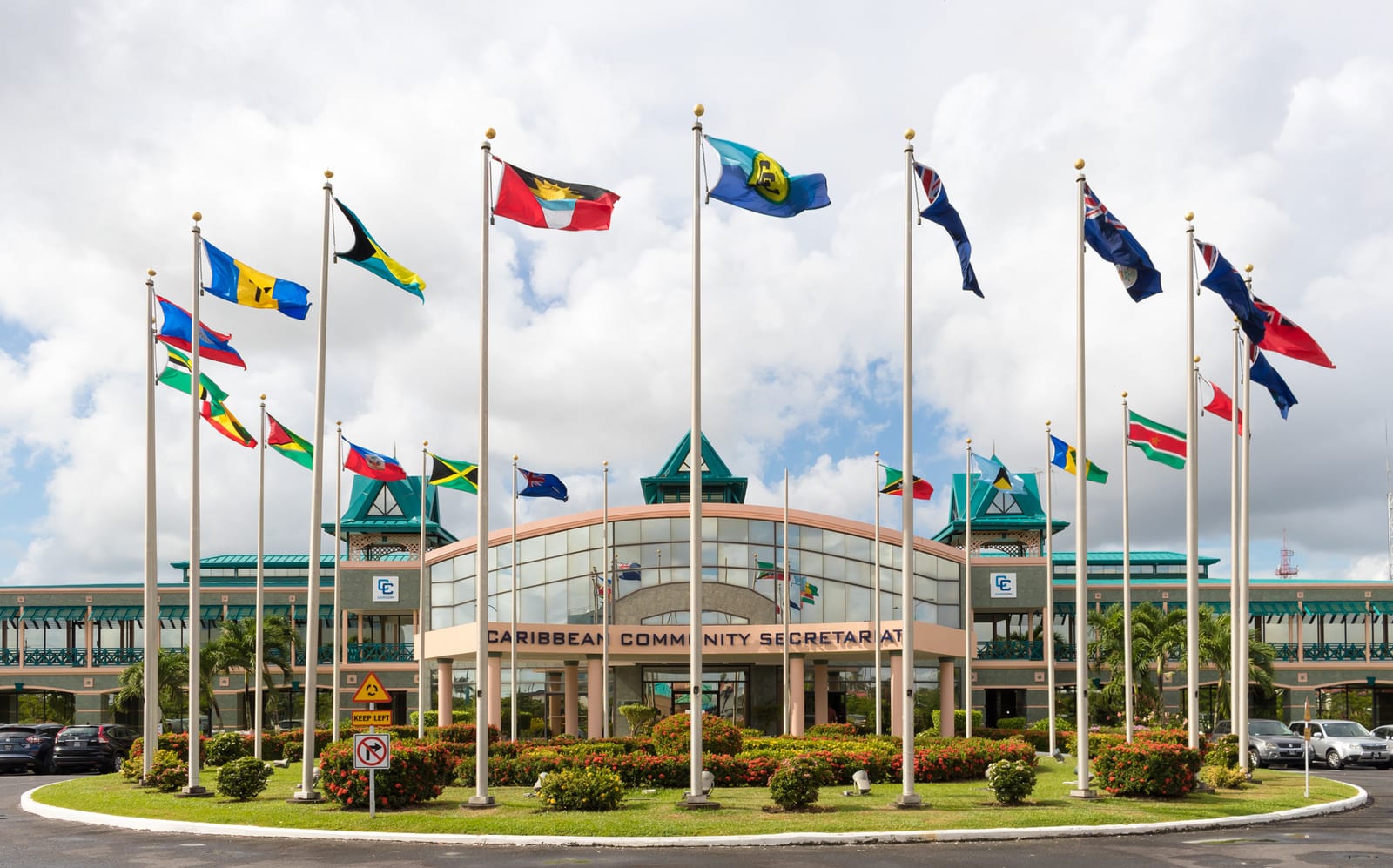
CARICOM has the legal scaffolding for a broader version. The 2019 Protocol on Public Procurement for the Caribbean Community set out to integrate national procurement markets into a single regional regime, and the Community Public Procurement Notice Board exists to publish tenders across member states.
But according to a CARICOM feasibility study on regional joint bidding mechanisms, most of the region’s procurement law still sits in decades-old national statutes, such as Barbados’ 1964 Financial Administration and Audit Act, that were never written with pooled regional purchasing in mind. Harmonizing those frameworks across fifteen member states and five associate members is not a matter of political will alone. It requires each parliament to rewrite procurement rules that touch budgeting, audit and public accountability.
There is also a governance gap that critics have pointed to directly. A recent letter in the Trinidad Express, responding to Prime Minister Kamla Persad-Bissessar’s remarks that CARICOM has been “failing for 52 years,” argued that the bloc’s core weakness is structural: it is built to manage political relationships between governments, not to deliver services or sign binding contracts. A joint procurement mechanism needs the opposite instinct, an institution with the authority to commit member states to a purchase and be held accountable if it underdelivers.
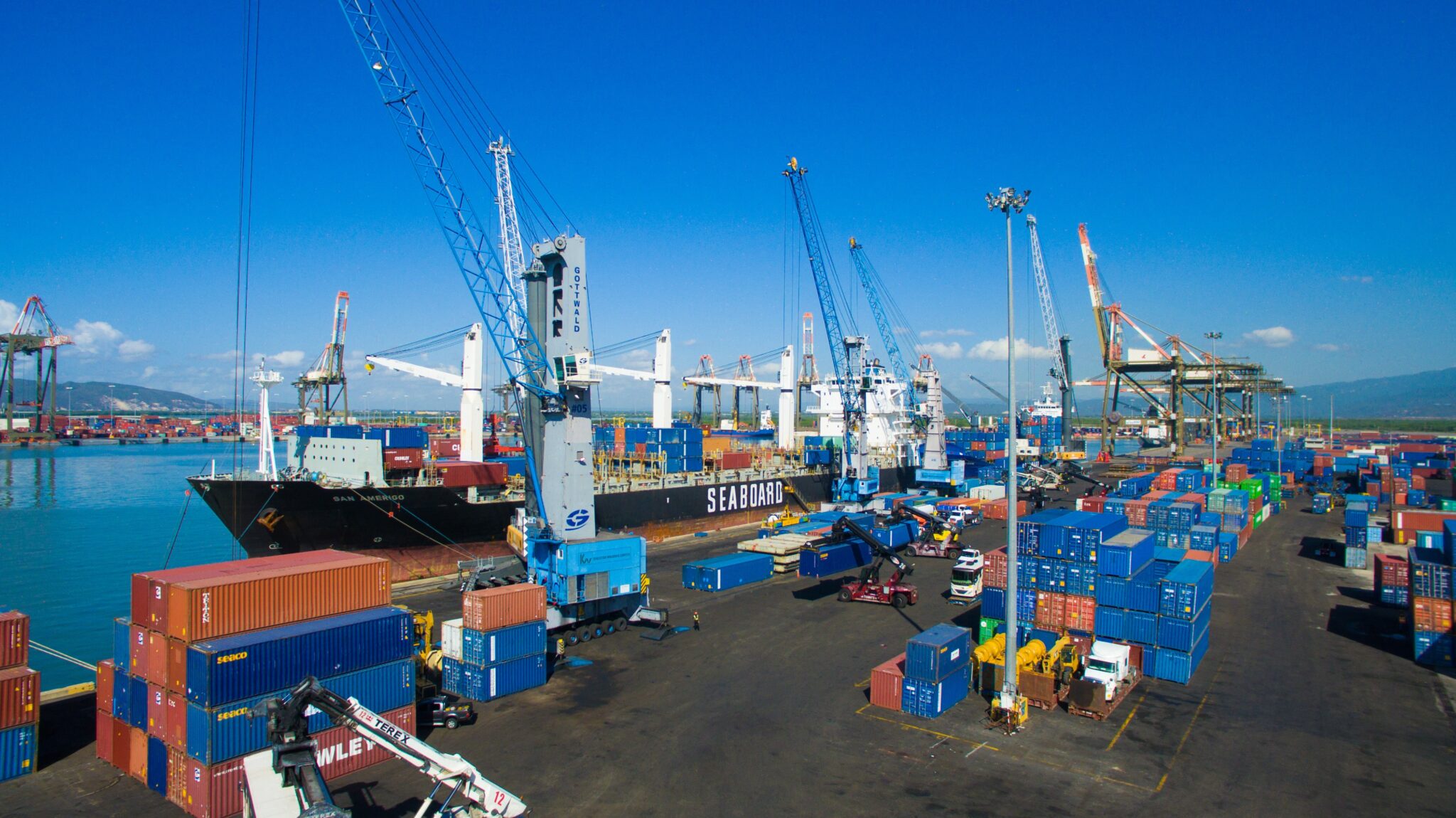
What would make this attempt different from past ones is the pressure behind it. Symmonds framed the push explicitly around freight costs and the congestion at trans-shipment hubs in Kingston and Caucedo, a problem hitting every import-dependent CARICOM economy at the same time. That shared, immediate cost may generate more urgency than earlier proposals built mainly around long-term efficiency arguments. Whether that urgency survives contact with fifteen separate procurement laws, fifteen separate legislatures and the reality that some countries import far more than others is the open question.
The test to watch is not whether CARICOM heads of government issue another communiqué endorsing joint procurement in principle. It is whether any group of member states, even a smaller coalition like the OECS bloc plus a few larger economies, moves to a binding pooled tender for a defined category of goods, the way the pharmaceutical service did. Until that happens, joint procurement remains available as a talking point every time shipping costs spike, and is shelved again once they ease.




Comments