
JAM-DEX at four: transactions climb, circulation stays near 0.1%

/ Our Today
administrator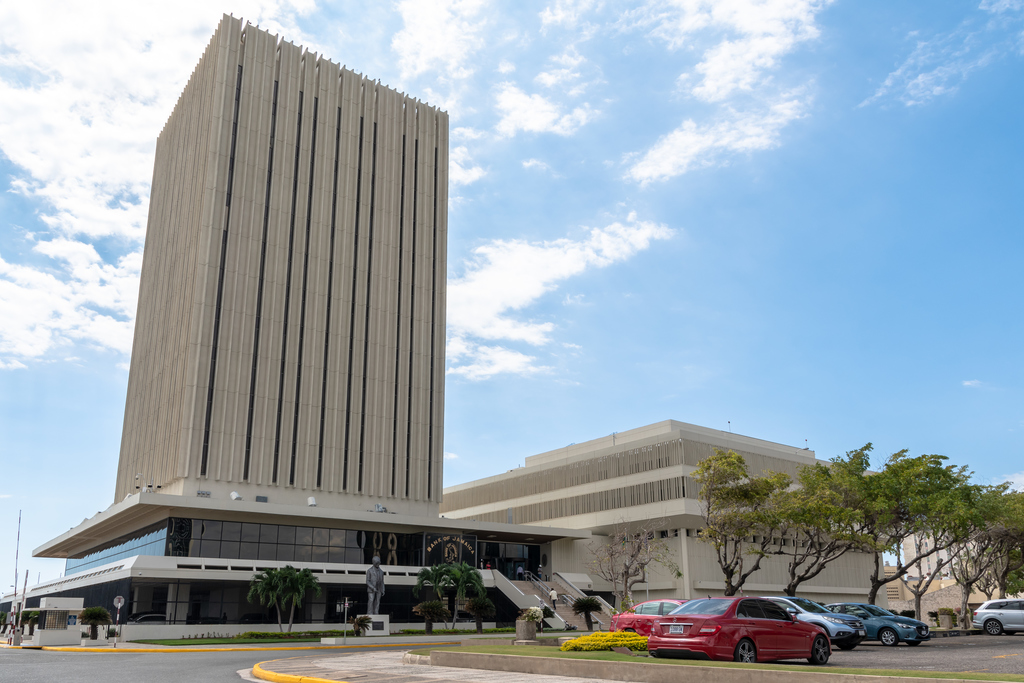
Four years after the Bank of Jamaica (BOJ) opened JAM-DEX to the public, transactions on the digital currency are climbing quickly, but the amount in circulation has barely moved, and a new Opposition critique argues the design itself is the problem.
Transaction value reached $51.7 million in the seven months to July, compared with $19.3 million for all of 2025 and about $3 million in 2024, according to Deputy Governor Natalie Haynes, who put subscribers at roughly 320,000.
Circulation has not kept pace. JAM-DEX equalled about 0.1 per cent of currency in circulation at the end of 2025, roughly $320 million against more than $320 billion in notes and coins.
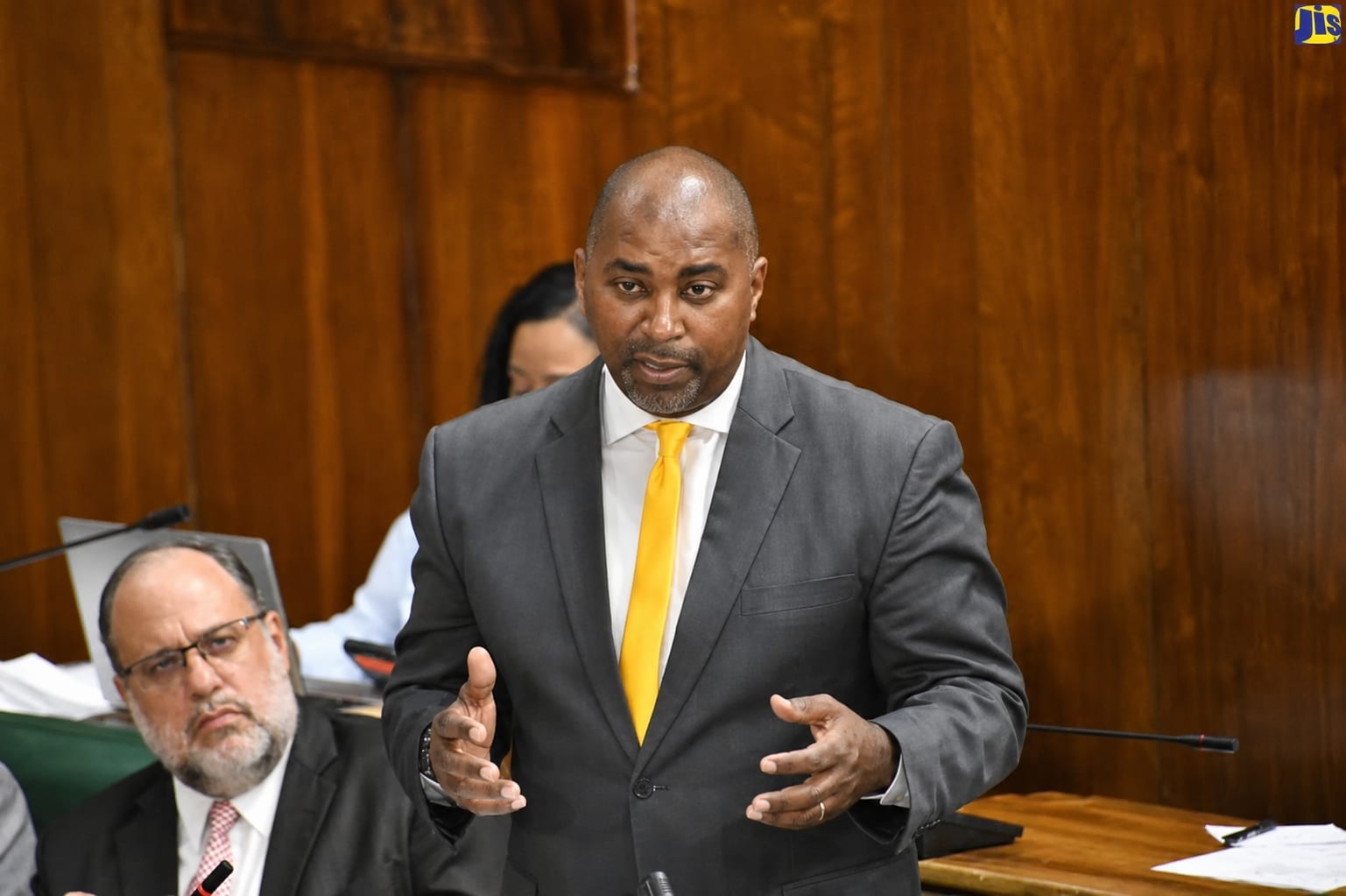
Opposition Spokesman on Finance Julian Robinson, in a paper responding to the Virtual Asset Service Provider Act this week, said JAM-DEX has recorded no redemptions, operates through only two wallet providers and has no merchant acceptance network. He attributed the stall to incentives rather than technology: banks, he wrote, treat JAM-DEX as a zero-fee substitute for their own deposits and have little reason to promote it.
The Jamaica Bankers Association has said integration costs are considerable and must be weighed against technology spending with more immediate returns, and that two large banks that rolled out JAM-DEX saw very limited uptake. Then-Governor Richard Byles told a February briefing the BOJ had been ready for three years and was waiting on deposit-taking institutions.
The central bank has offered sign-up bonuses and $25,000 merchant grants, and has pledged to cover half the cost of upgrading point-of-sale terminals. One bank expects to accept JAM-DEX at terminals in the first quarter of 2027; another is starting with phone-based acceptance. Two more wallet providers are expected before year-end, a target the BOJ also set for 2025.

Robinson’s alternative is structural. He wants the BOJ to shift from issuing a currency to operating open payment rails on the model of Brazil’s Pix and India’s UPI, carrying JAM-DEX alongside licensed stablecoins and regulated virtual assets, free to individuals with a merchant fee of 0.4 to 0.5 per cent added later.
One legislative opening is already in progress. The BOJ is amending the Payment Clearing and Settlement Act, 2010, which does not currently let it license or supervise payment service providers. The latest draft was shared with the bank on January 7, 2026. Robinson’s paper names the revision as a window for the open-rails model.
Any change in direction will fall to new leadership. Byles left office on August 18, and Brian Langrin has since been appointed governor.
Jamaica is not alone. Combined average circulation of the Bahamas’ Sand Dollar, the Eastern Caribbean’s DCash and JAM-DEX has reached only 0.15 per cent of currency in their markets, a comparison cited in regional coverage of Byles’s departure.
The first-quarter 2027 terminal rollout is the next test of whether the current model can gain traction.






Comments