

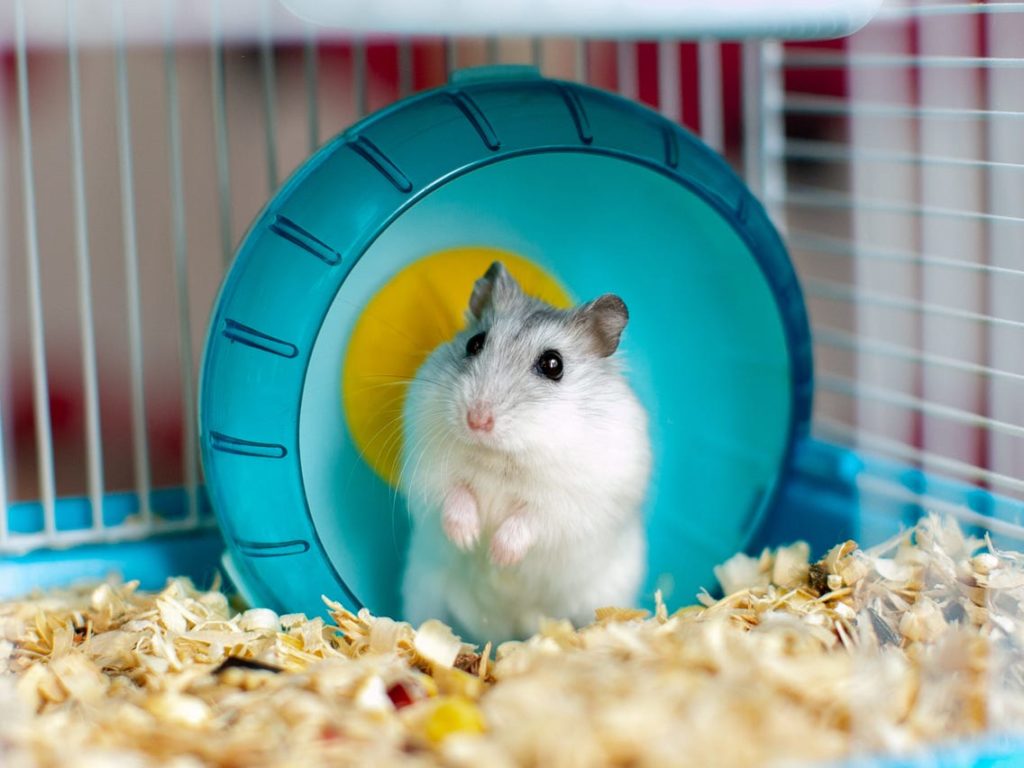
It’s week three of everything pets and for today’s feature, the focus is on our furry little friends, hamsters. These adorable little creatures have become very established popular small pets.
Our Today spoke with animal surgeon at the JSPCA, Dr Abigail Pinnock who has given us the need-to-know on our hamster friends.
What do I need to know before getting a hamster?
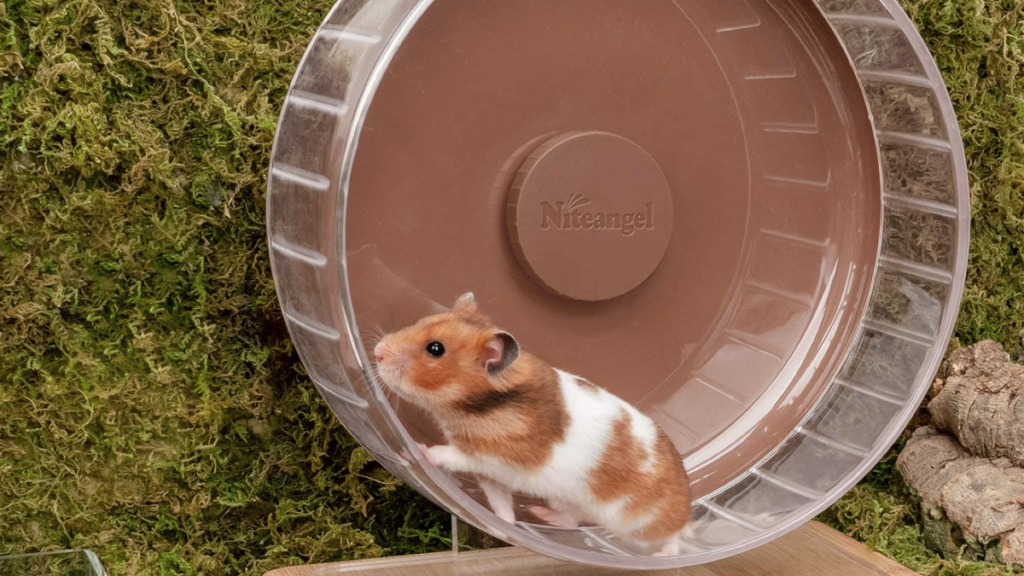
According to Dr Pinnock, potential hamster owners should note several important factors before getting their own. Firstly, hamsters are nocturnal, meaning they are most active at night.
They also require a lot of exercise and do well in quiet environments. Hamsters are also solitary animals and are best housed alone. Pinnock also noted that hamsters are timid creatures and it will take some time for them to get comfortable.
What should my hamster’s environment look like?
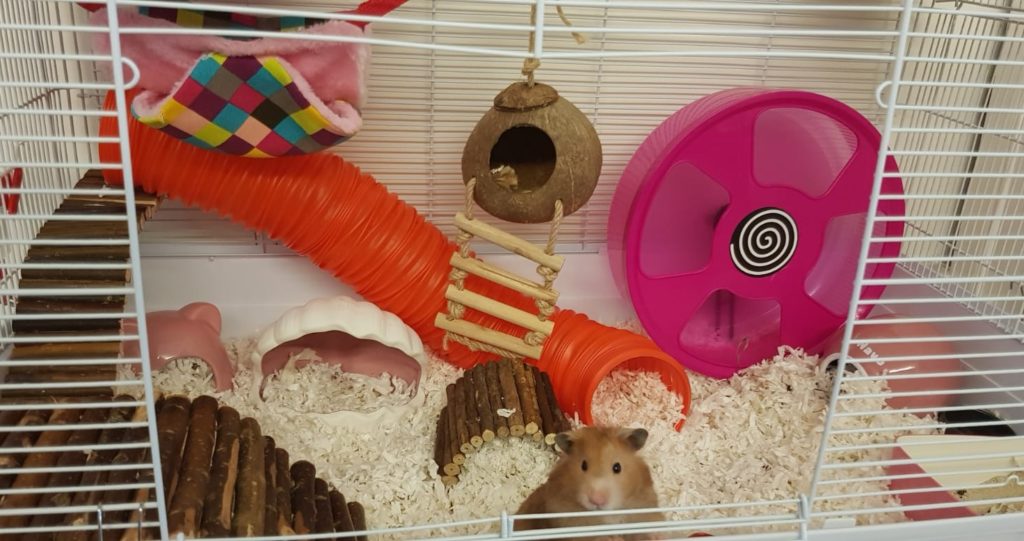
A hamster’s cage should consist of a solid floor covered with suitable litter material and the area should be warm and dry. “It is important to provide hamsters with adequate enrichment in the form of exercise wheels, hide boxes, materials to shred, hidden treats, and plenty of human playtime outside of the enclosure,” Dr Pinnock explained.
She went on to add that all enrichment products do not have to be store-bought, empty paper towels and toilet paper rolls, for example, make for great toys.
How should the meal plan look for my hamster?

The surgeon explained that most hamsters are omnivorous, meaning they eat both plant-based and meat-based materials. Hamsters, who should be fed once daily, usually eat grains, vegetables and fruits. Meat, which is a good source of protein, is consumed in the form of crickets, mealworms and cooked beef or chicken. Meat, however, should be fed sparingly to hamsters.
Dr Pinnock shared that owners should be careful not to overfeed their hamsters as this can lead to obesity which can significantly shorten their lives. These animals are natural hoarders of their food, so it might be challenging to keep track of how much food they have actually consumed.
Hamsters are only to be given water to drink and this should be changed on a daily basis. “Regular water bowls tend to get dirty very quickly and can cause the bedding to become soggy. A bowl that hangs on the side of the cage or a sipper water bottle often make better options,” Pinnock said.
Like for other animals, there are few foods that are off-limits to animals. These include candy, tomatoes, chocolate, onion, celery, potato, garlic, spicy good, beans, apple seeds and citrus foods.
What are some common illnesses among hamsters?

Common illnesses amongst hamsters include:
- Eye problems
- Abscesses
- Impacted pouch – Hamsters usually stuff their cheek pouches with food. There are occasions however, when the pouches are impacted to the point where hamsters cannot empty the food bits.
- Skin issues such as ring worm.
- Diarrhea also known as wet tail.
How often should I bring my hamster to the vet for a checkup?
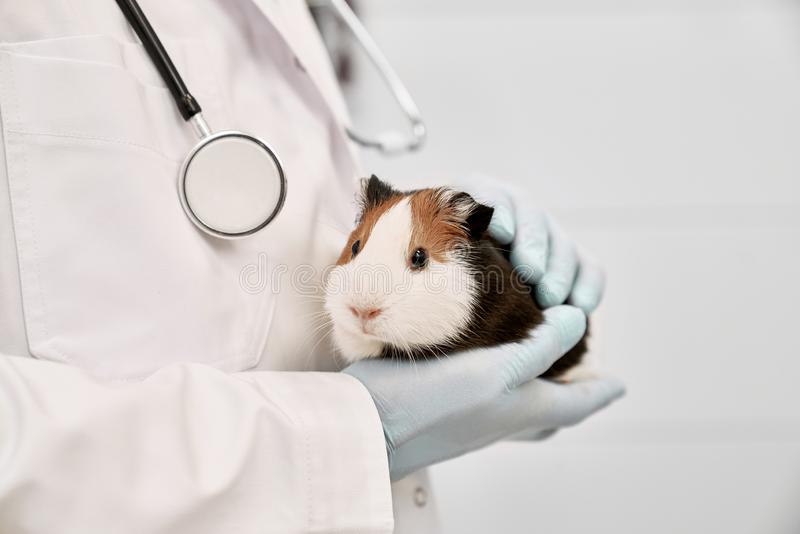
Pinnock says it is important to take your hamsters in for a check-up to the vet at least once a year.
Are there any common misconceptions about hamsters?
The small animal surgeon also shared with Our Today a few common misconceptions people may have about hamsters. These include:
Small Hamster means small cage – although small, Dr Pinnock says hamsters need a large cage.
My hamster is lonely – “Many owners think their hamsters feel lonely but they are best housed alone,” Pinnock explained.
Hamsters only eat sunflower seeds – contrary to popular belief, hamsters do not only eat sunflower seeds.
Hamsters are cheap – Hamsters are in fact quite costly to maintain, so this is something to take into account when deciding to get your own hamster. “It may cost next to nothing to acquire a hamster, but don’t forget to take into account the cost of their daily necessities and the vet funds needed if your hamster falls ill,” the surgeon shared.
JSPCA

Working in Jamaica for over 100 years, the JSPCA’s main mission is to promote the compassionate treatment of animals through education, advocacy, veterinary care and the placing of unwanted animals in loving homes. Services offered at the JSPCA include pet adoption, animal shelter, surgeries and animal rescue.
Dr Abigail Pinnock is a graduate of the University of the West Indies, St. Augustine School of Veterinary Medicine. Working at the JSPCA, her special interests are in Small Animal Surgery and Equine Medicine.






Comments