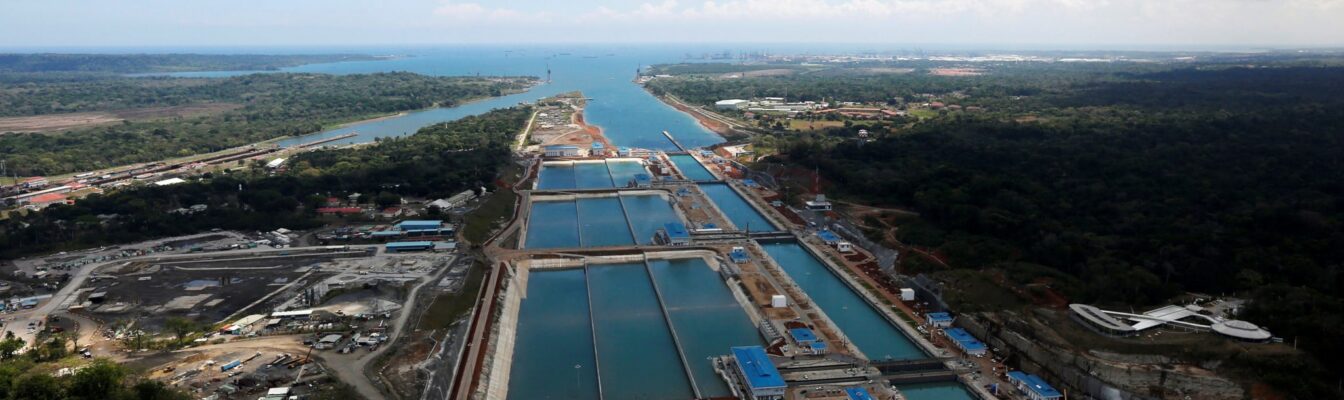
Panama Canal to cut daily transits further to 32 vessels as El Niño drought persists

/ Our Today
administrator
The Panama Canal Authority will reduce the number of daily vessel transits to 32 starting today, September 15, as a severe El Niño-driven drought continues to lower water levels in the lakes that feed the waterway.
Ilya Espino de Marotta, the canal authority’s new administrator, confirmed the cut this week. It follows an earlier reduction from 36 to 34 daily transits that took effect on September 4. Panama’s government declared a nationwide state of emergency over the drought on August 26.
A draft budget submitted to Panama’s legislature projects daily transits will average just 29.5 vessels from October, according to reporting from the Jamaica Observer and Al Jazeera. That would mark one of the tightest capacity levels since the 2023 to 2024 drought, when daily crossings fell as low as 22.

The canal handles roughly 5 per cent of global maritime trade and depends entirely on freshwater from the artificial Gatun and Alajuela lakes, which are replenished by rainfall. Each transit consumes about 200 million litres of water. Rainfall across the canal watershed ran well below the historical average through the summer, forcing the authority to prioritise long-term water sustainability over transit volume.
The capacity squeeze has driven a sharp rise in the cost of priority passage. Auction prices for transit slots have roughly tripled since February, when the median price stood near US$55,000. On September 1, South Korea’s SK Gas paid a record US$5.3 million to secure a northbound slot for the LPG carrier G. Spirit, breaking a US$4.6 million record set only weeks earlier by a similar Korean vessel. Both bids were driven partly by disruption to Middle East shipping routes, which has pushed more LNG and LPG traffic toward the Americas-to-Asia corridor.
Vessels without a secured reservation, now roughly a fifth to a quarter of all canal traffic, face waits of up to 11 days, according to canal authority data. The authority has also tightened draft restrictions for larger Neopanamax ships, limiting how much cargo they can carry to reduce the risk of grounding in the lock chambers.

For Caribbean economies, nearly all of which route significant container and bulk cargo through the canal, the combination of fewer available slots and higher transit costs is a direct input into shipping expenses and delivery times. Import-dependent island economies are especially exposed, since freight cost increases tend to pass through quickly to landed prices for food, fuel and consumer goods. The disruption adds another variable to a regional cost-of-living picture already shaped by volatile food and fuel prices.





Comments