
Raymond Pryce | Rethinking Water Management in Jamaican Agriculture

/ Our Today
administrator
For generations, Jamaican agriculture has relied on seasonal rainfall to sustain crops, livestock and rural livelihoods. As rainfall patterns become less predictable, the country’s future will depend less on how much rain falls and more on how effectively it captures, stores and manages the water it receives.
The science is clear. The Intergovernmental Panel on Climate Change (IPCC), in its Climate Change 2023 Synthesis Report, identifies Caribbean Small Island Developing States as particularly vulnerable to changing rainfall patterns, rising temperatures and increasing water stress. Seasonal outlooks from the Caribbean Climate Outlook Forum (CariCOF), together with forecasts from the Meteorological Service of Jamaica, continue to point to periods of below-average rainfall and greater climate variability. These trends should not be viewed simply as challenges. They provide Jamaica with an opportunity to modernise its agricultural systems, strengthen food security and position itself as a regional leader in agricultural resilience.
That opportunity begins with water.

Jamaica has invested in improving agricultural productivity through better farming practices, improved crop varieties and stronger extension services. The next phase of agricultural development should focus on ensuring that water is managed with the same strategic importance as transportation, energy and digital infrastructure. Every hectare of farmland, every farming community and every consumer depends on a reliable and sustainable water supply.
Southern St. Elizabeth demonstrates why this approach matters. Known as Jamaica’s breadbasket, the parish supplies a significant share of the country’s vegetables, herbs, root crops and fruits. Its naturally dry conditions have encouraged generations of farmers to become resourceful and innovative in how they use limited water. Rather than viewing the parish only as one of the areas most exposed to drought, Jamaica can recognise it as an ideal location to pilot new approaches to irrigation, water storage and agricultural technology that can later be expanded across the island.
One of the most practical opportunities is improving how Jamaica captures and stores seasonal rainfall.
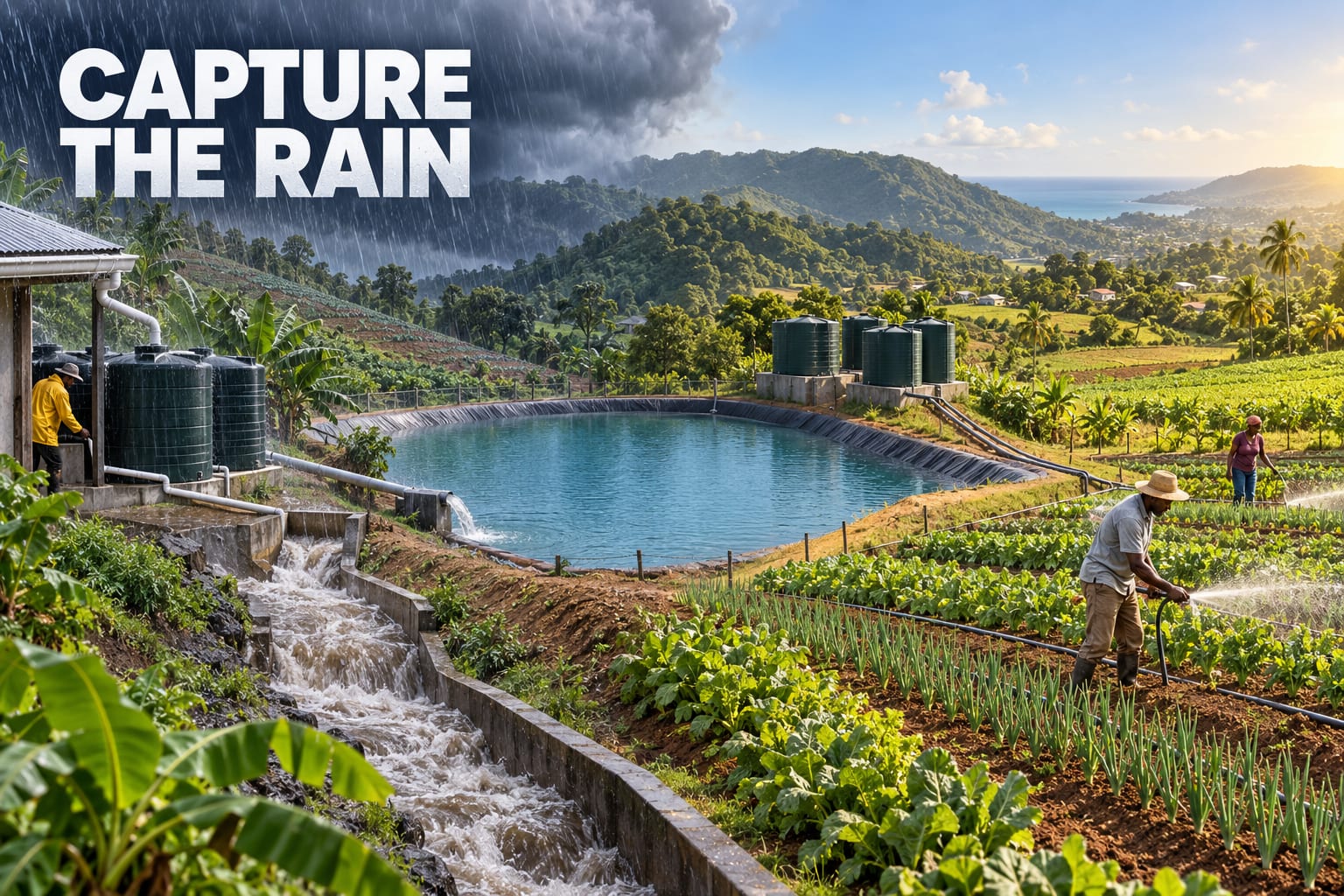
Heavy rainfall events often deliver large volumes of freshwater within a short period, yet much of this resource flows through rivers and drainage channels before reaching the sea. Expanding farm ponds, rehabilitating community catchment systems and increasing water storage capacity would allow more of this rainfall to be retained for productive use during dry months. These investments can improve water security for farmers while reducing dependence on emergency water trucking during prolonged dry periods.
Water efficiency deserves equal attention. According to the Food and Agriculture Organisation of the United Nations (FAO), agriculture accounts for approximately 70 per cent of global freshwater withdrawals, making efficient irrigation one of the most effective climate adaptation measures available. Drip irrigation, automated irrigation scheduling and soil moisture monitoring enable farmers to deliver water where it is needed most while reducing unnecessary losses through evaporation and runoff. These technologies are no longer innovations reserved for large commercial farms. They are becoming increasingly accessible tools that can strengthen productivity across farms of every size.
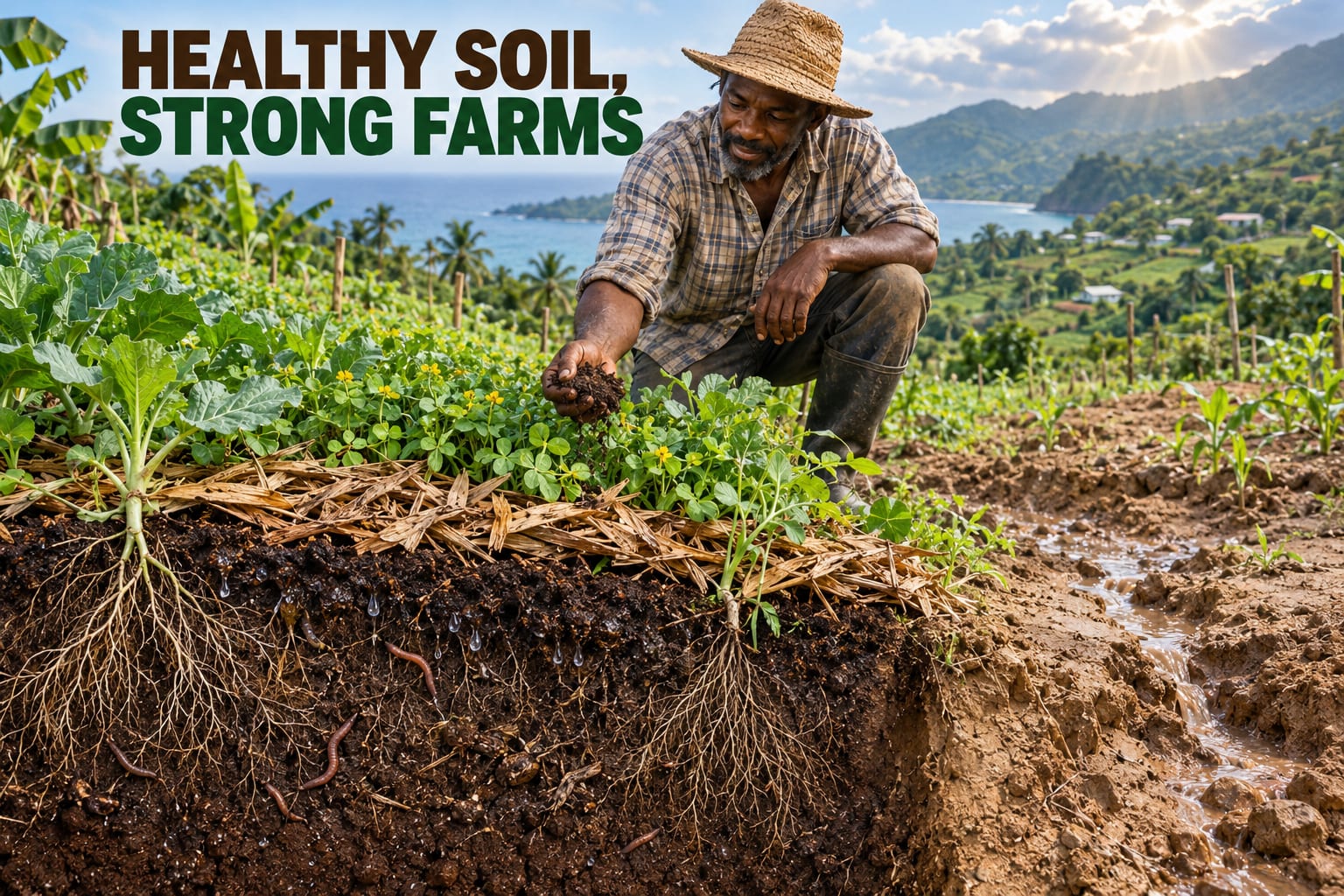
Healthy soils are equally important to long-term agricultural success. Conservation farming practices, including organic mulching, cover crops and improved soil management, help retain moisture, improve soil structure and reduce erosion when heavy rains eventually return. These practices are promoted by the FAO’s Climate-Smart Agriculture Sourcebook because they increase both productivity and resilience without requiring large capital investments.
Better information is also becoming one of agriculture’s most valuable resources.
The World Bank’s Climate Risk Country Profile: Jamaica highlights the importance of strengthening climate information services to support better planning and investment. Today, satellite imagery, automated weather stations, remote sensing and cloud-based environmental intelligence platforms can monitor rainfall, soil moisture, vegetation health and water availability almost in real time. When combined with seasonal forecasts from CariCOF and the Meteorological Service of Jamaica, these technologies allow farmers, agricultural planners and policymakers to make informed decisions before dry conditions begin to affect production.
Protecting productive agricultural land should form part of this broader strategy. Jamaica has invested significantly in irrigation systems and agricultural infrastructure over many decades. As development continues, careful land-use planning can help preserve strategically important farming areas that already benefit from established irrigation networks. Protecting these productive landscapes safeguards previous investments while supporting national food security for the future.
Agricultural resilience must also include livestock and poultry production. Rising temperatures place additional pressure on animals through heat stress and reduced pasture quality. Practical improvements such as better shade, reliable water supplies, improved ventilation and climate-responsive housing can significantly improve animal welfare and productivity. Poultry producers, for example, are increasingly exploring improved housing designs with enhanced airflow and insulated roofing, sometimes referred to as “Comeback Coops”, to reduce heat stress during periods of extreme temperatures.
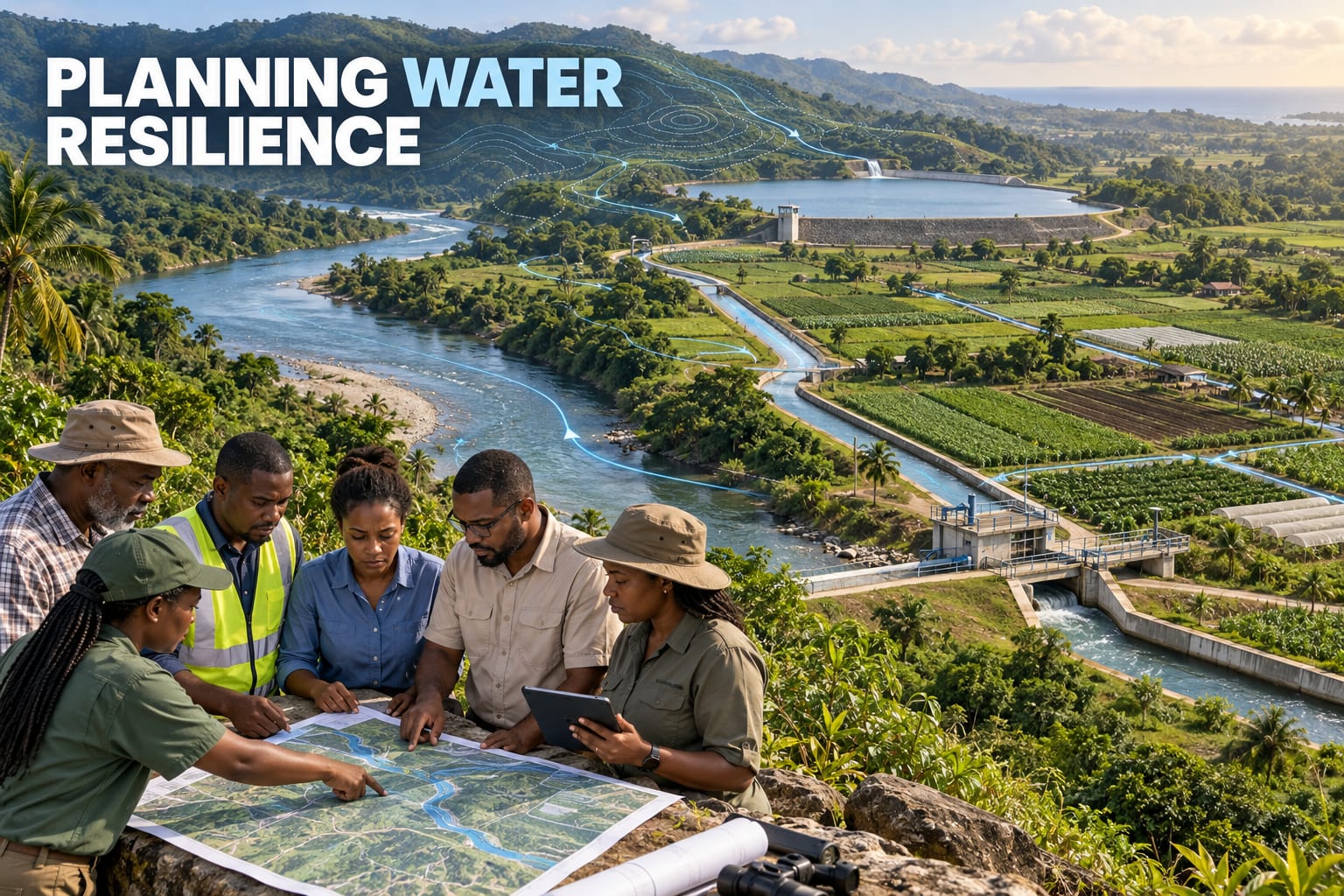
Looking beyond immediate improvements, Jamaica also has an opportunity to examine whether larger-scale water infrastructure could strengthen long-term agricultural resilience. Concepts such as expanding water storage, modernising irrigation corridors and assessing opportunities to improve surface water distribution from major river systems deserve careful technical investigation. River systems such as the Black River and established irrigation networks, including the Rio Cobre system, may present opportunities for future study. Any decisions should be guided by comprehensive hydrological modelling, environmental impact assessments, economic analysis and meaningful consultation with farmers, communities and environmental stakeholders.
The countries that will lead in agriculture over the coming decades will not necessarily be those with the most rainfall. They will be the ones that manage water most effectively. By investing in modern irrigation, water storage, environmental intelligence, healthy soils and strategic infrastructure planning, Jamaica can strengthen food security while creating a more competitive agricultural economy.
Jamaica already has many of the ingredients needed to succeed. It has experienced farmers, respected scientific institutions, capable engineers, innovative entrepreneurs and a growing digital economy. Bringing these strengths together through a coordinated national approach to water management presents an opportunity not only to strengthen agriculture at home but also to develop solutions that can benefit other Caribbean nations facing similar climate challenges.
EnviroTek Group believes resilience begins long before the next dry season. It is built through informed decisions, practical innovation and investments that deliver lasting value for farmers, communities and the national economy. By treating water as a strategic national asset, Jamaica can build a stronger, more productive agricultural sector that is prepared for the future and positioned to lead the Caribbean in sustainable food production.
Raymond Pryce is the Chief Operations Officer of EnviroTek Group. EnviroTek is a Climate Resilience and Environmental Solutions Specialist.





Comments