
Sunday Sips with H.G. Helps| Holness, outdoor learning and school repairs; Justice Sykes’s trials; Remembering Allan ‘Skill’ Cole; and the sadness of Sligoville stadium

/ Our Today
administrator
Holness, learning under trees, and fixing schools
It is two weeks short of 11 months since Hurricane Melissa ravaged sections of Jamaica, particularly the western region, where life still remains miserable.
The start of the new school year this September has thrown the spotlight on education, much more than the farcical exchanges between the United Kingdom and Jamaican operatives over matters of reparations for slavery, which are turning out to be laughable.
Administrators, nationally, have been complaining about the physical preparations for the start of school in the most affected parishes of St Elizabeth, Westmoreland, St Ann, Trelawny, and St James. Many continue to lament that workmen have not completed repairs to roofs and classrooms.
Taken further, in one instance last week, Prime Minister Andrew Holness even observed that nothing was wrong with an image captured by a Jamaica Observer photographer which showed children gathered under trees for a learning session.
He cited the activity, something that occurred at what’s left of Holland Primary School in St Elizabeth, as ‘closer to nature’ and acknowledged that he did it while he attended school.
Although some sections of society have slammed the prime minister for expressing that view, there is nothing wrong with saying something like that, as Holness could not have meant any permanence behind it.

When I was attending basic school in St Mary, my class had the chance to go outside with the teacher for learning on certain days, which was more refreshing than being cooped up in a crowded classroom. It happened at times during my primary school years as well.
So, I thought that what Holness said about outside learning in that specific instance amounted to much ado about nothing. Thus, his follow-up comments at another function where he tried to defend the original ones were unnecessary.
The Holness Administration, though, must take responsibility for the pace at which repairs have been going on. The Hurricane hit last October. There should have been a greater sense of urgency to push repairs along, some of which were being conducted during the last school year, but at a snail’s pace. Why snail’s pace? Well, the Government, which has billions of dollars in donated money at its disposal, did not take advantage of clear alternatives.
The contractors who work on school buildings are the same ones who are used to repair houses and private businesses. At the end of the day, those contractors and workmen get paid when those jobs are completed. That is not the case with working for the government. I have reported on contractors working on Government projects waiting at times over a year to get paid after they submitted their invoices. It is not fair for them to wait so long after the jobs are completed, as they, too, have countless bills to pay.
They will take the Government’s jobs, but will not always prioritise them. So, they break to do the ‘quick cash’ jobs that others have, get paid, and pick up the baton again on the schools. That’s the reality.
How does the Government get around that? Bring workers in from overseas. There are the Chinese, the Cubans, and the Mexicans, for example, who will get the job done before you know it. That was where the Government fell down. There are too few Jamaican contractors and workers to do what is required and meet set deadlines.
It is not too late to get things moving by focusing outside. Money is available. It is not necessary to hold onto it until an election is due, and then saturate the place with it through the ‘pork barrel’ method.
And what of the involvement of the Jamaica Defence Force? Why haven’t the soldiers been playing consistent roles in the reconstruction process? With the Jamaica Constabulary Force boasting daily that crime has been on the decline, its leadership ought to be able to request a freeing up of the soldiers from joint police-military operations, like the demolition at Cooper’s Pen, for them to even carry a few buckets of sand on school refurbishing sites.
The Ministry of Education, Skills, Youth & Information has a minister, minister of state, and parliamentary secretary. They are paid, collectively, over $60 million in salaries annually, outside of perquisites. They need to be able to think wisely and come up with at least the most basic solutions that the sector needs. Convincing the prime minister, a former education minister, that a special prescription is required for learning should be the least of their problems.

Offering Chief Justice Sykes a hand
Chief Justice Bryan Sykes is not alone in his expressed view that it would be better for the justice system if there were more judge-alone (bench) trials, over jury trials.
He, among other things, wants a backlog of cases to be cleared, and so he believes that having more bench trials will go far in achieving that objective.
I have always thought that it would be better to have judges, solid legal minds, presiding over matters in the Home Circuit Court, rather than reluctant jurors, some of whom know very little about matters that they are looking into and turn up to court only because their choices are limited.
While Justice Sykes is highlighting delays linked to Circuit trials due to so many challenges that are involved in the selection of jurors, the shortage of jurors, and jurors backing out of cases at crucial points, leading, potentially to mistrials, and the natural holdup of starting all over again, my main reason is about competence and the potential for jurors to be bribed, which could also end up with mistrials. There is also the lack of ‘common sense’ in many jurors.

I served on a jury decades ago. It was my only such experience. As I remember it, quite a lot of the material discussed by the jury after the judge had summed up the matter and given us the green light to reach a verdict, was unrelated to the case. Pure ‘fool fool’ questions were asked by some members. They just did not make sense. From what I have heard, not much has changed.
Many of the people who are competent do not want to serve as jurors, for varying reasons, among them the time that trials take, and low basic allowances.
One defence lawyer told me recently that he prefers to have jury trials, as jurors were more ‘sympathetic’ than judges.
But what’s best, in the interest of justice and arriving at the truth?
According to Justice Sykes, the suggestion that there were fewer convictions when juries are empowered is way off the mark. He has put forward statistics which reveal that juries convict accused people at a rate of 46 per cent, compared to judge-alone trials which end up at a 37 per cent rate of conviction. I would bet Justice Sykes one of his African shirts that despite the statistical ‘advantage’ for defence attorneys, they would, by majority, still rather take the chance with juries.
Getting jurors to serve has been one of the most crippling things that the justice system continues to encounter. Having corrupt jurors around, like Livingston Cain, who was charged, found guilty of perverting the course of justice, and sentenced to one year in prison for his role in trying to bribe jurors in the Vybz Kartel trial, left the United Kingdom Privy Council with no choice when the matter got there.
Justice Sykes has my vote in this effort. There is an outstanding question though: Does he, as head of the Judiciary, have enough judges in place to bring about this revolution within the justice system?
One sad year after Allan ‘Skill’ Cole’s death
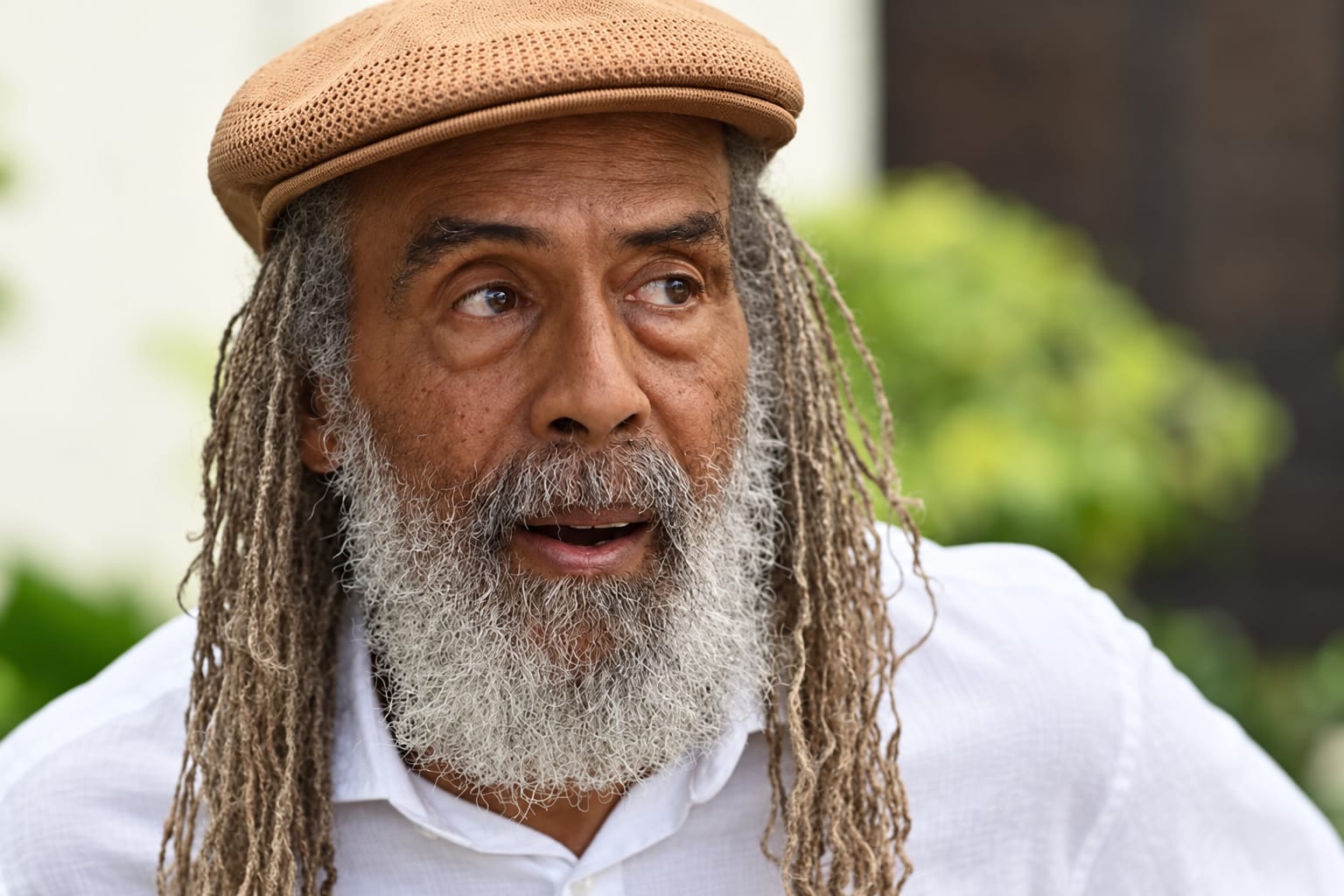
Wednesday, September 9 marked one year since my close friend of many years, Allan ‘Skill’ Cole, died. A month from now, October 14, he would have brought up his 76thbirthday.
If the memory of that September fact was not enough, information came along about the death of former Kingston College Principal, Lt Col, Woodburn ‘Woody’ Miller, aged 95, who also served as president and later, secretary general of the Jamaica Teachers’ Association.
Even earlier, Cole’s former friend and teammate, Trevor “Jumpy” Harris, Kingston College’s main goalscorer in the glory schoolboy football years of 1964 and 1965, who also represented Michigan State University on a soccer scholarship, Harbour View, and Jamaica, also left the land of the living.
To add salt to the already badly affected wound, the passing of former Jamaica football player Keith Lattimore a week earlier further dampened the gloomy period.
Allan, who represented Kingston College and Vere Technical High in schoolboy football, remains the second youngest boy to play for the Jamaica National team, at age 15 years and four months – a mere 30 days outside of the record established by Calabar High schoolboy David Sanguinetti. Unless someone, not influenced by alcohol, ganja, other hard drugs, or plain bias, can convince me that there was a footballer better than Allan to have emerged from Jamaica, Bob Marley’s one-time best friend will keep his number one ranking, in my book.
It is sad that at a time when a handful of us were making plans to mark Allan’s 76th, we must stop to recognise the roles that Woody Miller, Jumpy Harris and Keith Lattimore played in the building of Jamaica.
Preserve Sligoville sports facility
I do not go to the Sligoville Stadium, or Mini-stadium as it is also called, located in St Catherine North Central, formerly St Catherine East Central, often. But from fresh reports, there is further physical deterioration there that requires attention.

I am not suggesting that whatever needs to be done ought to be given priority over other structures across the hurricane-hit sections of the island, but it is a special place and should not be allowed to deteriorate further.
The complex, built by Shanxi Construction Engineering Group and completed in June 2007, is the brainchild of former Member of Parliament for the area, K D Knight, who was nagging in his bid to the Government of China to have it constructed on State land. It was – as a $248 million gift to the community. But it has largely remained under-utilised.
Even in its present condition, it would be fitting to name it the K D Knight Sports Complex, in honour of the now 85-year-old champion attorney-at-law; former minister of national security & justice, and foreign affairs & foreign trade, across People’s National Party administrations, and new ball bowler for Wolmer’s Boy’s School.
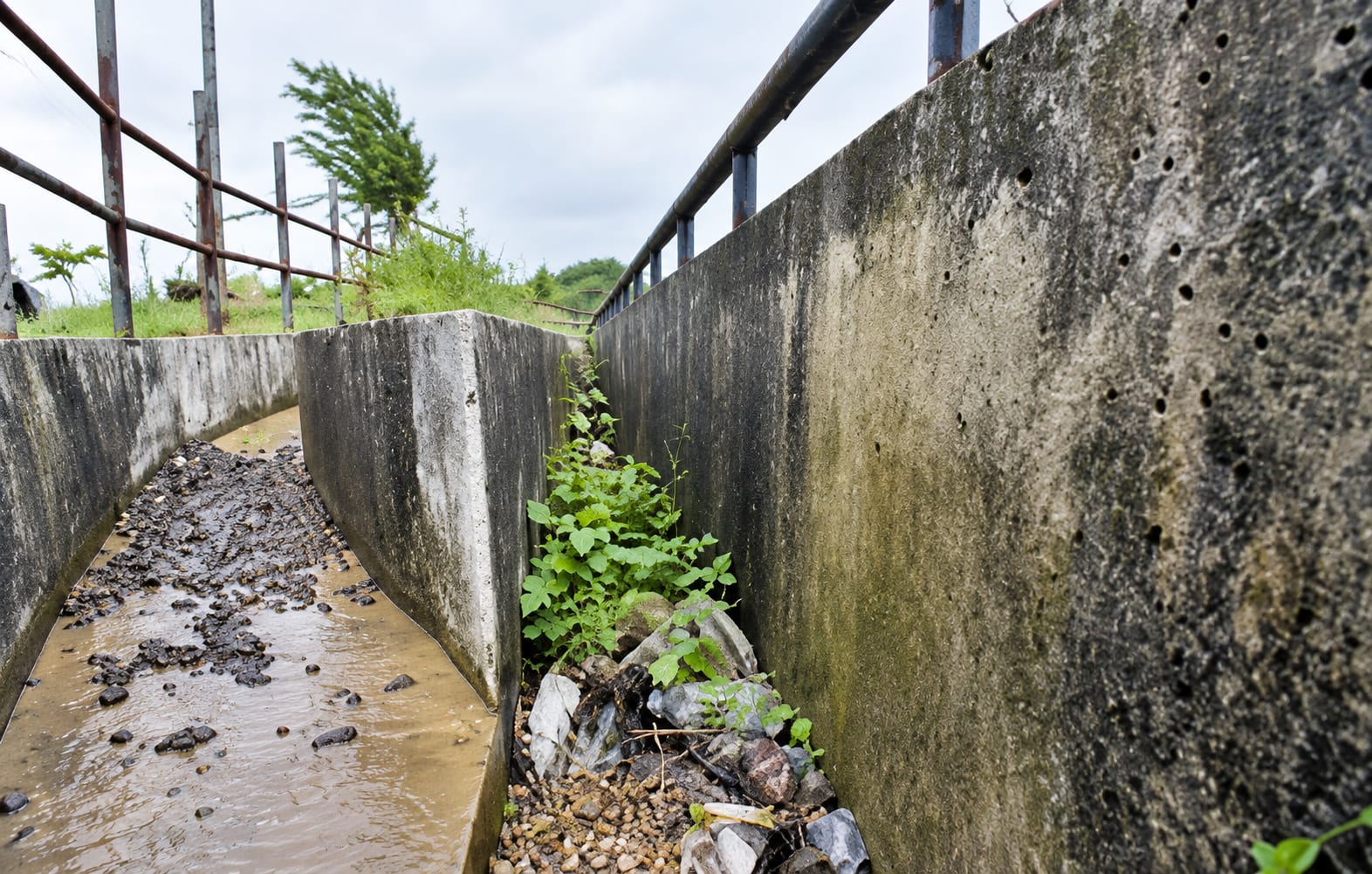
The complex can host cricket and football on adjacent fields, athletics, netball, basketball, volleyball, table tennis, and board games. There is no other of its kind in any Jamaican community, not considering G C Foster College of Physical Education and Sport, built by Cuba, also in St Catherine. Outside of heading back to China for maintenance support of Sligoville, Jamaica should be able to deal with it.
H G Helps is a veteran journalist





Comments