UK rejects Jamaica’s demand for reparations for slavery

/ Our Today
administrator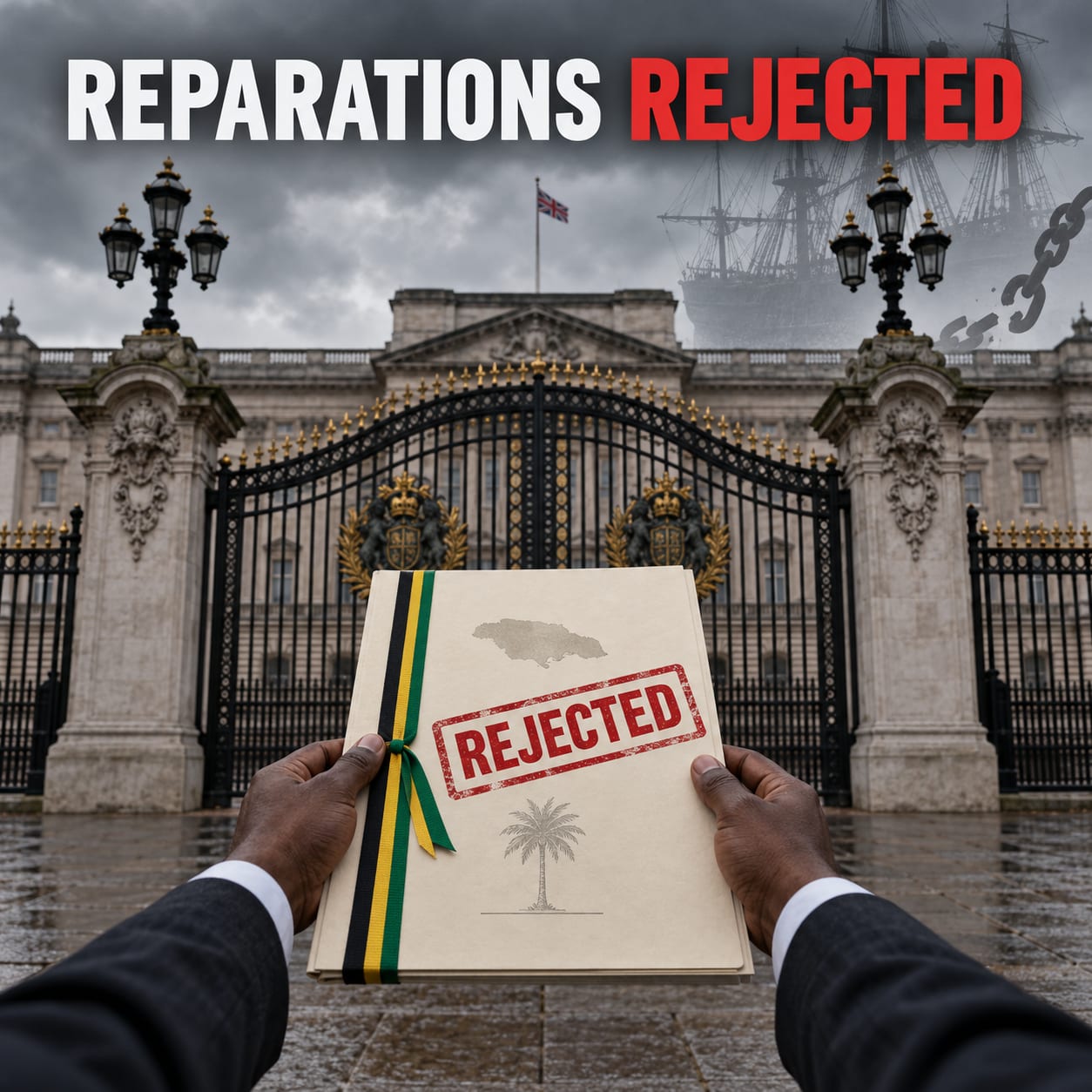
Jamaica also demanding return of Caribbean artefacts still in British museums
Durrant Pate/Contributor
The United Kingdom government has firmly rejected Jamaica’s demand for reparations for its role in the transatlantic slave trade, as a Jamaican delegation led by Culture Minister Olivia Grange formally lodged its claim on Buckingham Palace on Monday.
In a sharp response, the British government reiterated that it will not pay financial reparations for the country’s role in the transatlantic slave trade, a stance restated just as a Jamaican delegation delivered a formal petition to Buckingham Palace addressed to King Charles III.
The UK’s position, reiterated by Prime Minister Andy Burnham’s spokesperson, remains unchanged: “The UK does not pay and will not pay reparations.” Despite acknowledging the abhorrent nature of colonial practices and the significant benefits Britain gained from the slave trade, successive UK governments have avoided issuing a formal apology or engaging in economic negotiations on the matter.

Rather than asking for a direct royal decision, the petition asks the king to seek guidance from the Judicial Committee of the Privy Council in London, the body that serves as the final court of appeal for Jamaica and several other Commonwealth territories, a procedural route that Jamaican officials say could carry more legal weight than a purely political appeal.
Untested waters
Because no Commonwealth member has previously pursued this specific legal avenue, the petition marks a notable precedent, and it poses three central questions for evaluation: whether the enslavement of African people in Jamaica was lawful under English law at the time, whether the practice violated international law regardless of its domestic legality, and whether the United Kingdom bears a legal obligation to compensate for the damages caused by the slave trade.
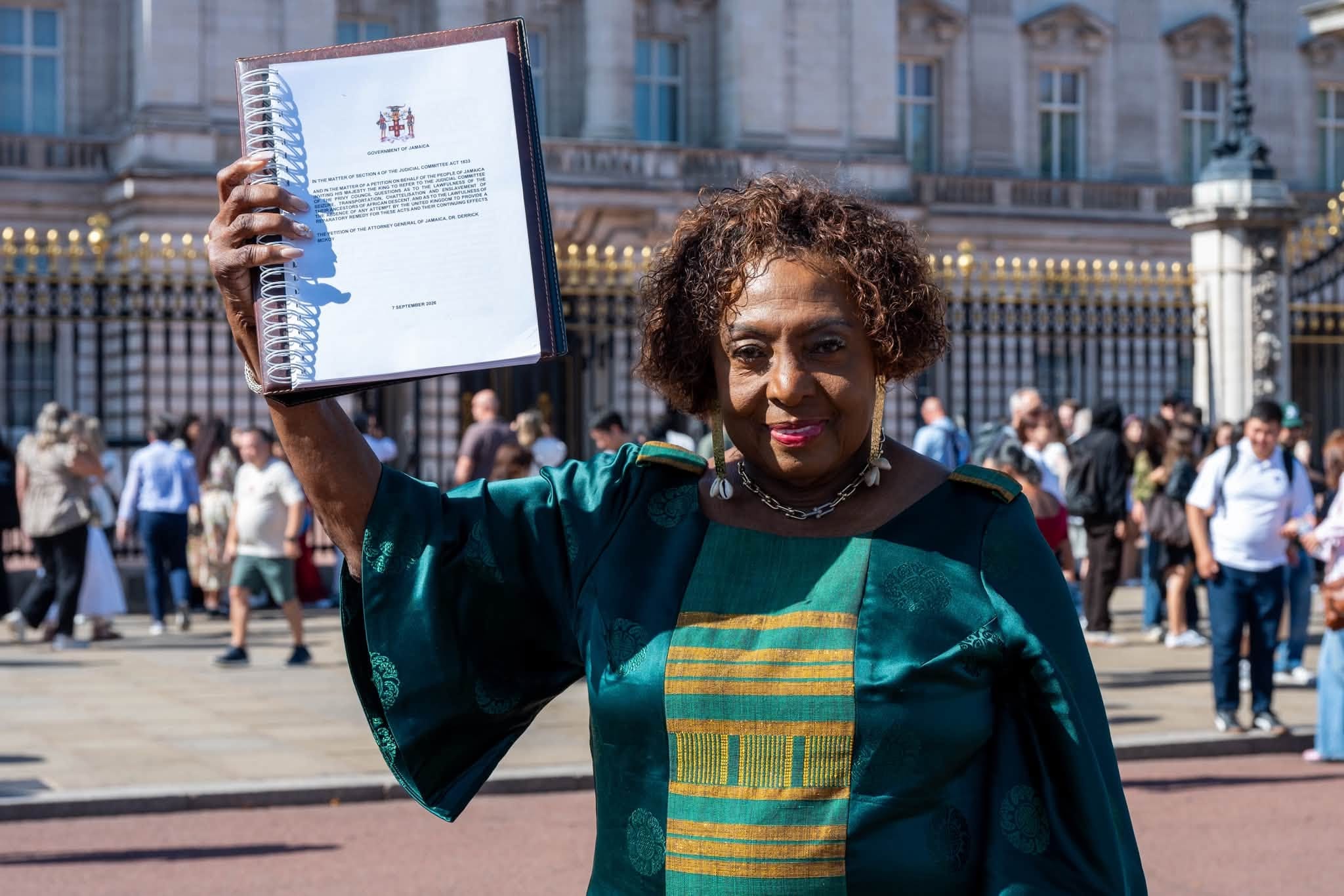
Minister Grange also called for the return of Caribbean artefacts still held in British museums, tying the reparations demand to a broader push for restitution beyond financial compensation alone. Despite the government’s rejection and the king’s absence during the petition’s delivery, Grange told international media she felt “encouraged” by the step that had been taken, suggesting Jamaican officials view the legal filing itself as a form of progress independent of the government’s immediate response.
Jamaica’s demands align with recent findings from international bodies on the issue. A United Nations committee determined that states carry a legal obligation to consider reparations for the transatlantic slave trade, warning that eliminating racial discrimination will remain out of reach without what it described as a full commitment to reviewing and repairing the ongoing damages and consequences of enslaved African trafficking and racialised slavery.
That UN position, combined with Jamaica’s novel legal strategy, suggests the reparations debate is unlikely to fade even as London maintains its refusal to negotiate. Hundreds of thousands of enslaved African people toiled in Jamaica under more than 300 years of British rule and faced brutal conditions.
UK’s role in slavery
The UK’s involvement in the slave trade began in 1562, and by the 1730s, the UK was the biggest slave trading nation in the world, when British ships transported more than three million Africans, mainly to the UK’s North American and Caribbean colonies.
Several Commonwealth nations have been demanding that the UK pay reparations for its role in the transatlantic slave trade in recent years. Reparations have been paid over slavery in the past—to the owners of slaves.
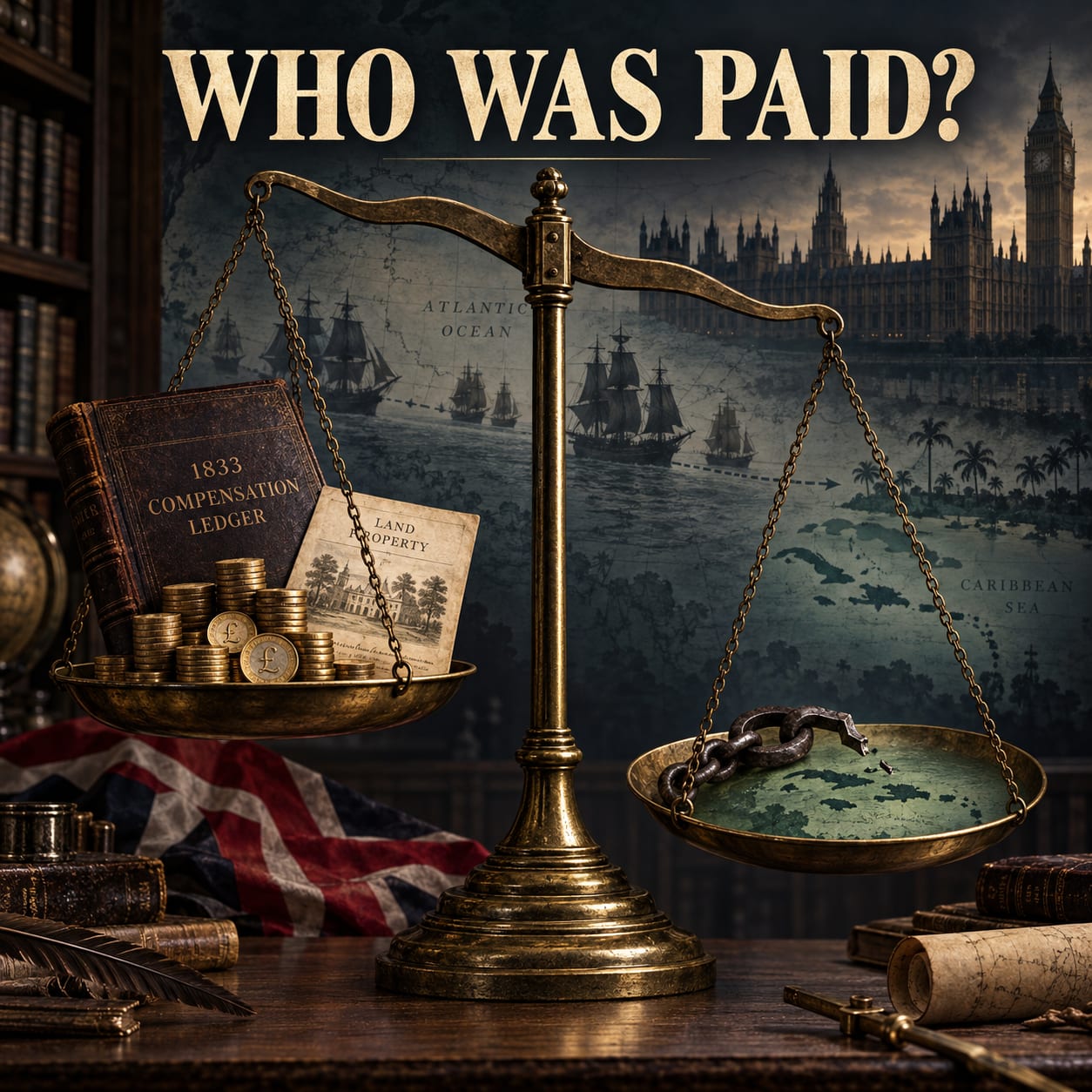
In 1833, the British government agreed to compensation for slave owners for the “loss of their property” after passing legislation to abolish slavery in the British Empire. In March 2024, British institutions such as the Church of England also pledged to put together a 1-billion-pound (1.35 billion dollars) fund to address its role in slavery.
However, UK leaders have so far resisted engaging in discussions about paying reparations to the countries that received trafficked slaves, and where their descendants now live. In October 2024, former UK Prime Minister Keir Starmer’s office said that the British government would not be paying for slavery and would also not apologise for it.
The British monarch has also not issued a formal apology for the crown’s role in the transatlantic slave trade. Netherlands is the only European country to have apologised for its role in the transatlantic slave trade. In March, even when the UN General Assembly voted to recognise the transatlantic slave trade as the “gravest crime against humanity”, many European nations, including the UK, abstained from voting in favour of the resolution.



Comments