
US court rules in favour of denying copyright protection for AI-generated artwork

Shemar-Leslie Louisy / Our Today
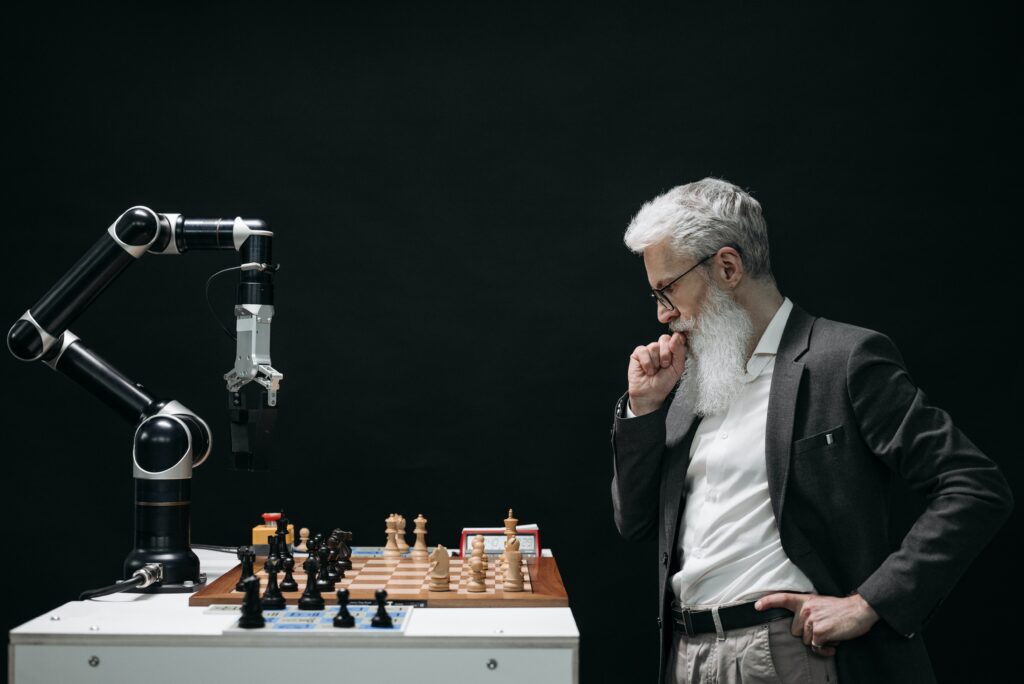
A US judge has issued a memorandum opinion filed on Friday (August 18), denying copyright protection for a piece of visual art generated entirely by an artificial intelligence (AI) system.
According to Black’s Law Dictionary, a memorandum opinion is an opinion that briefly reports the court’s conclusion that cannot be cited as precedent.
The case revolved around plaintiff Stephen Thaler, the owner of a computer system he called the “Creativity Machine”. Thaler claimed that this AI system autonomously created a piece of visual art, for which he sought to copyright. He listed the AI system as the author and himself as the copyright claimant, based on his ownership of the machine. However, the Copyright Office denied the application, asserting that human authorship was a prerequisite for a valid copyright.

The judge emphasised the historical and legal foundation of copyright law, which has consistently recognised human creativity as a central element of copyrightable works. The court cited past Supreme Court decisions and legislative intent to support its conclusion that copyright protection is limited to works of human authorship.
The opinion also noted that the case’s administrative record indicated that Thaler’s AI system had generated the artwork autonomously, without any human involvement.
The court’s ruling sheds light on the ongoing debate surrounding the role of AI in the creative industry, and affirmed that the current legal framework requires human authorship for copyright eligibility. There are questions of whether the original producers of creative work are elligible to copyright protection from their work being used to train AI, or whether AI-generated works should be eligible for copyright protection.
As a small player in the global space that is comparatively slower to adopt new policies regarding AI and copyright, Jamaican creatives are susceptible to exploitation.




Comments