Why is the Dom Rep attracting manufacturing investment that Jamaica, Trinidad & Tobago and much of the rest of the Caribbean aren’t?

/ Our Today
administrator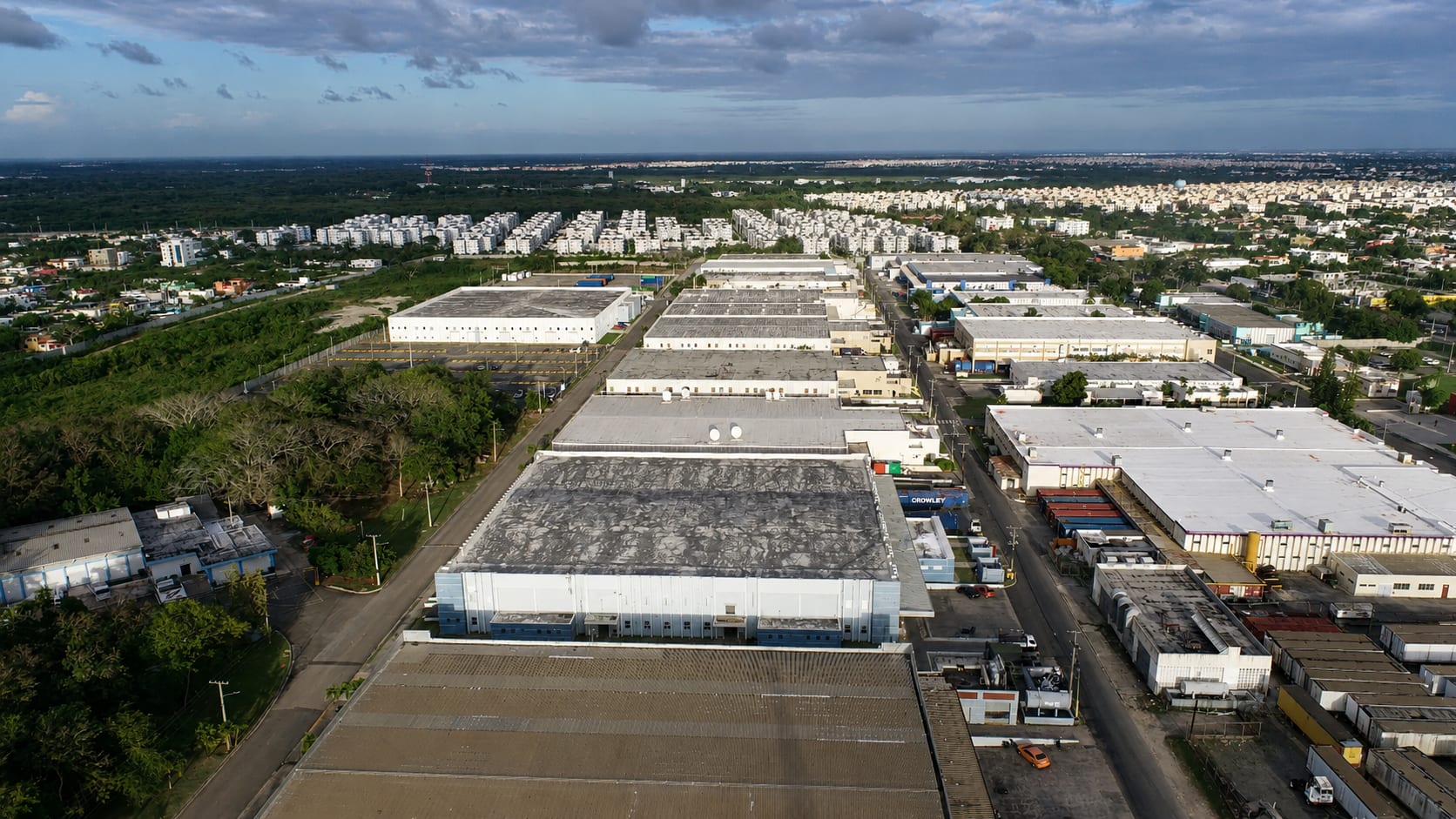
Walk into a free zone outside Santiago or Santo Domingo these days and you’ll find production lines assembling medical devices, wire harnesses, and semiconductor components bound for the United States. Companies like Jabil, Eaton, and Rockwell Automation have set up shop there, part of a wave of nearshoring investment that has made the Dominican Republic the undisputed manufacturing leader of the Caribbean basin. Meanwhile, Jamaica and Trinidad & Tobago, two of the region’s largest and most established economies, have watched much of that wave pass them by.
It isn’t for lack of trying. Jamaica has its own free zones in Kingston and Montego Bay, and Prime Minister Andrew Holness has repeatedly said he wants the island to become the region’s “premier industrial and manufacturing hub.” Trinidad has energy, infrastructure, and decades of industrial experience. So what does the DR have that its neighbours don’t?
Scale and a head start
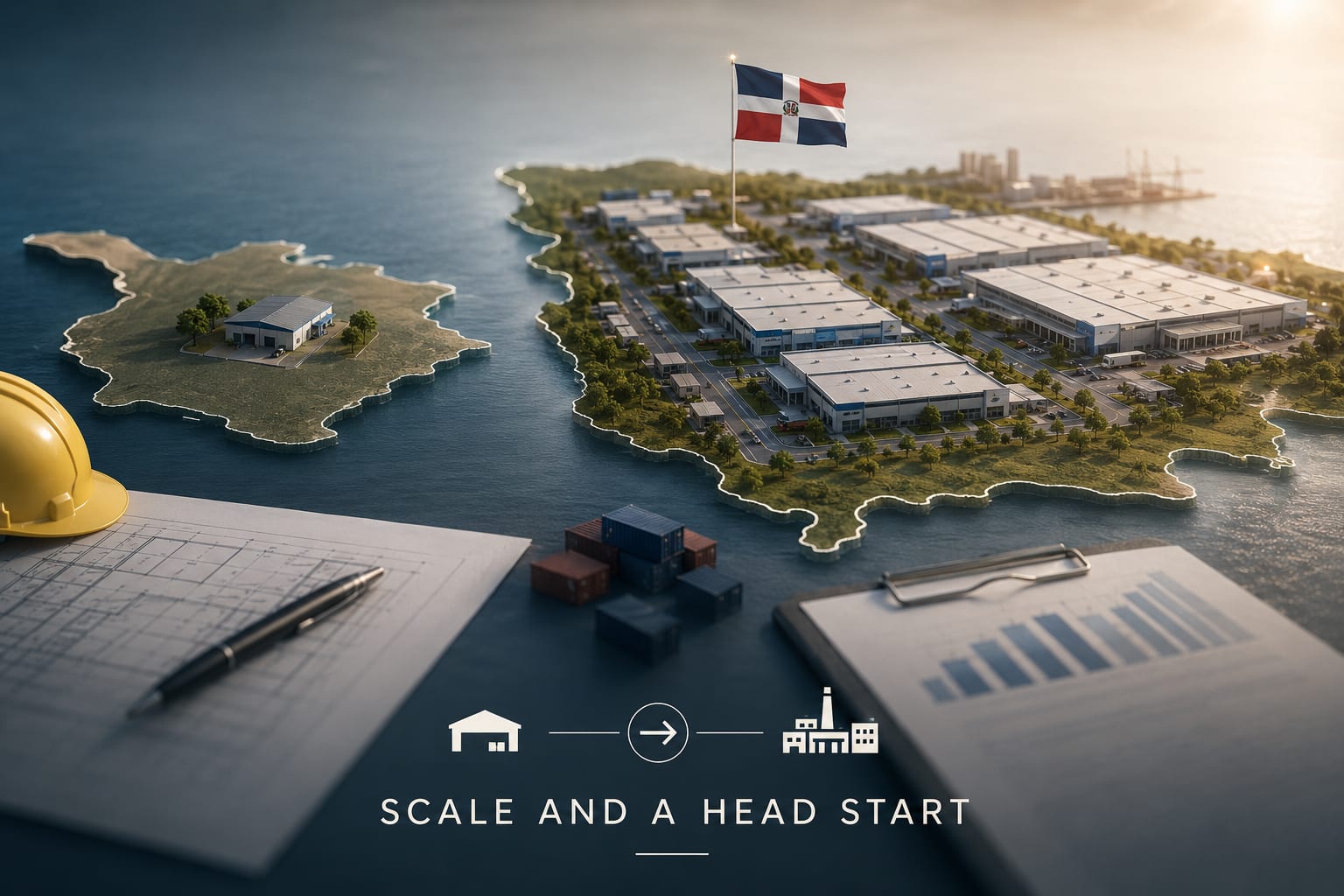
The most basic answer is size and timing. The Dominican Republic’s economy, at roughly $124 billion, is now the largest in the Caribbean, and its free zone system isn’t new. Law 8-90, which gives manufacturers operating in a designated zone a flat 0% corporate tax rate for a minimum of fifteen years (twenty for some sectors like semiconductors), has been in place for decades. Investors don’t have to guess how the incentive works or worry that it might get watered down after an election. There are now over 80 CNZFE-licensed industrial parks spread across a dozen provinces, and more than 800 companies operating inside them. That kind of density creates its own momentum: shared infrastructure, an established supplier base, and a workforce that already knows how to run a modern assembly line.
Jamaica’s Special Economic Zone regime offers comparable tax treatment on paper, but it simply hasn’t built up the same scale or track record with manufacturers. A single free zone with a handful of tenants doesn’t give a company sourcing managers the same confidence as a park with a hundred neighbours already running quality-controlled production.
The trade agreement that actually matters
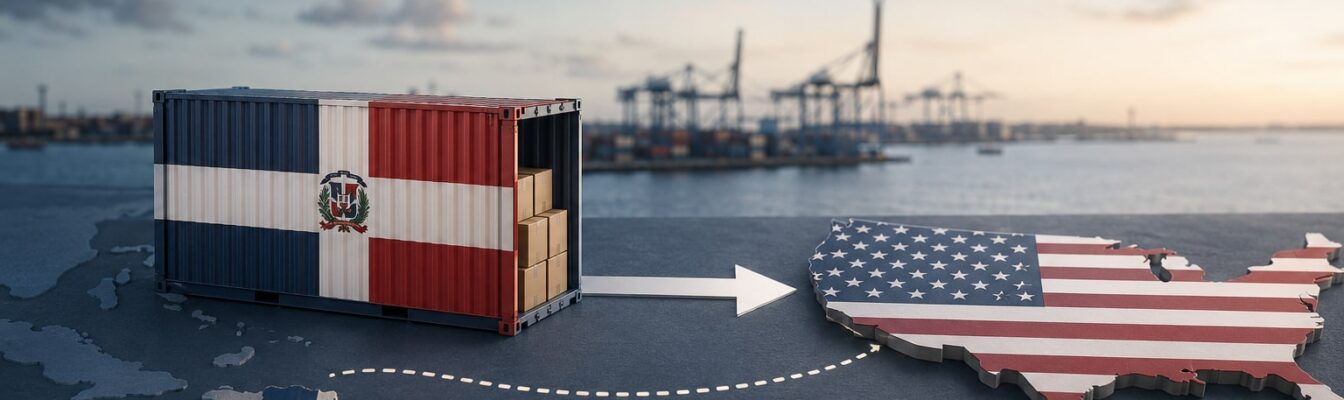
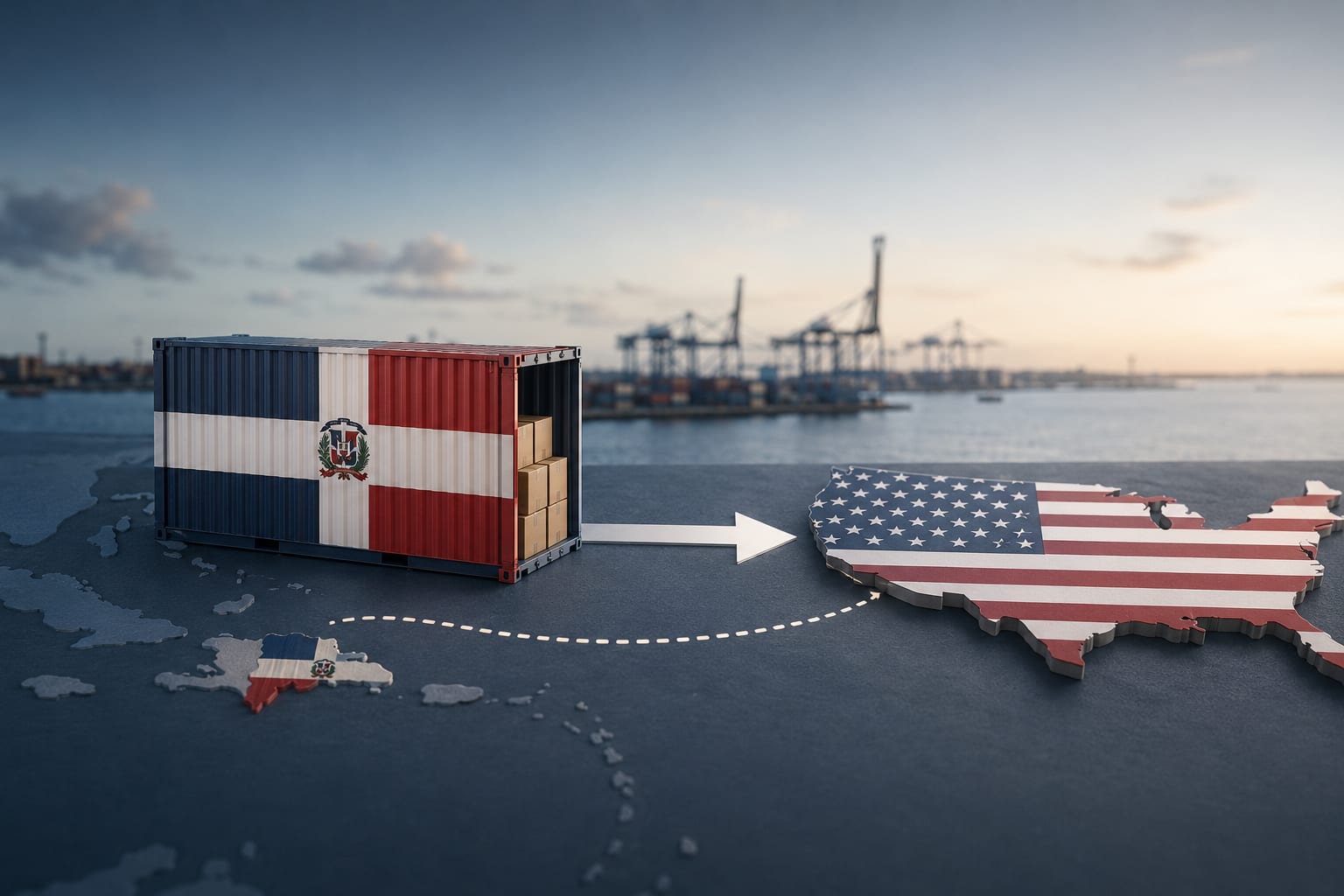
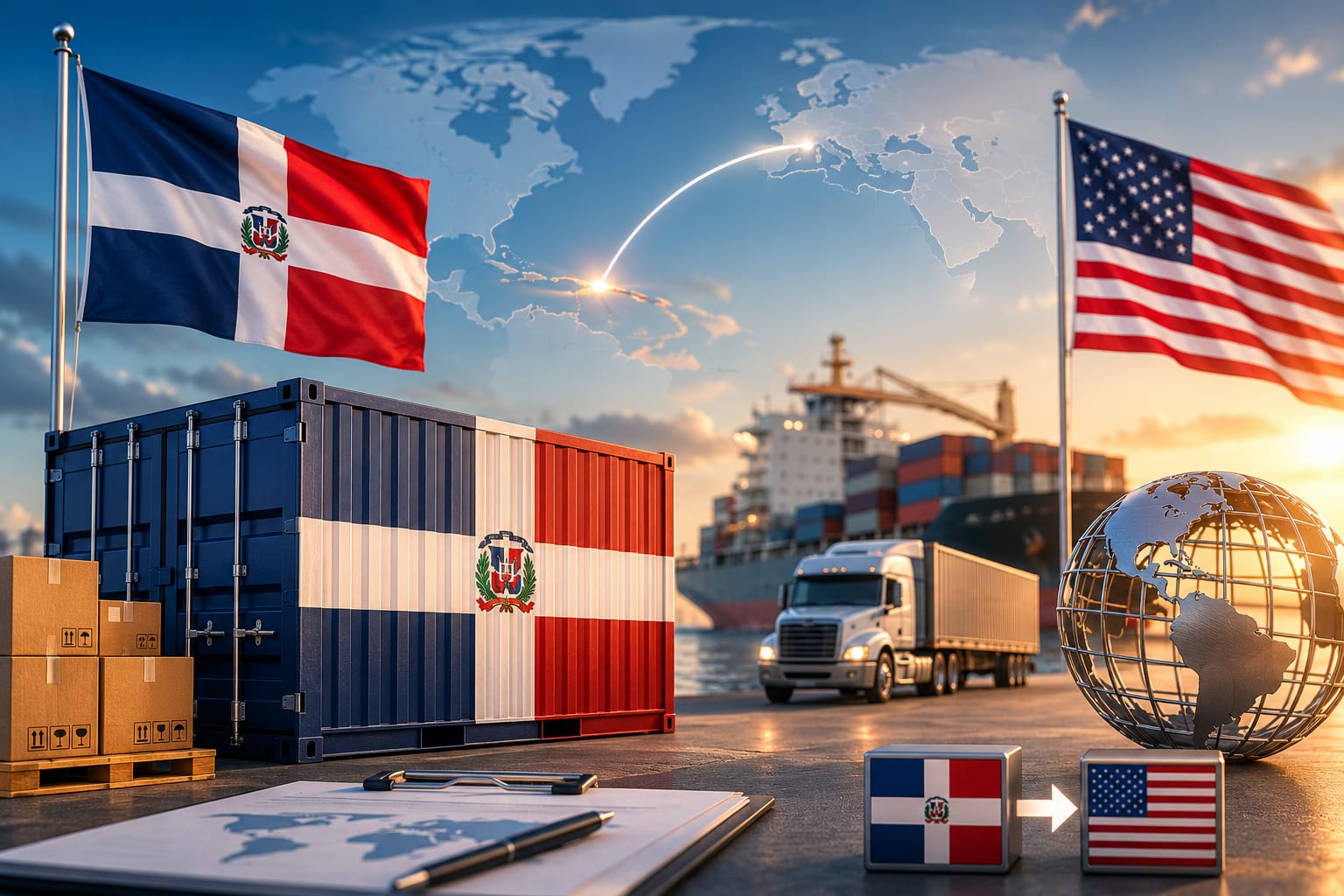
Perhaps the single biggest structural advantage is CAFTA-DR, the free trade agreement the Dominican Republic has held with the United States since 2007. It gives DR-origin goods duty-free access to the US market, and because it’s a bilateral US agreement rather than a general Caribbean preference programme, it carries a predictability that businesses can build long-term supply chains around.
Jamaica and Trinidad, by contrast, rely mostly on CARICOM’s Common External Tariff regime and older US preference programmes like the Caribbean Basin Trade Partnership Act, which were never designed with the same permanence or breadth as a full free trade agreement. For a manufacturer trying to model tariff exposure five or ten years out, that difference matters enormously. One arrangement is a treaty; the other is closer to a set of renewable concessions.
Shipping days, not weeks
Geography helps too, but it’s geography paired with infrastructure. The Port of Caucedo, run in partnership with DP World, offers a two-to-four day sea freight window to the US East Coast, and the DR government has been actively expanding it, with DP World committing an additional $380 million to the port on top of existing capacity. That kind of investment turns a logistics advantage into a genuine selling point: companies can hold less inventory, respond faster to demand swings, and avoid the extended transit times that eat into the savings from near shoring in the first place.
Cheaper to build, cheaper to run
Cost matters just as much as speed. All-in labour in DR free zones runs somewhere in the $3 to $4 an hour range, including statutory benefits, noticeably below Mexico’s maquiladora wages, and the free zones also house their own technical training schools built specifically to feed workers into manufacturing. A company isn’t just getting a lower wage bill; it’s getting a pipeline of workers who’ve already been trained for the job before they walk through the door.
Jamaica has struggled on a related front: electricity costs. High energy prices have long been cited as one of the biggest obstacles to industrial competitiveness on the island, which is part of why Holness has made energy reform such a central talking point when courting investors. Trinidad has the opposite problem in some ways: cheap energy tied to its oil and gas sector, but that’s also left the economy heavily dependent on petrochemicals and slow to diversify into the kind of light manufacturing and electronics assembly that’s driving the DR’s growth.
Consistency over time
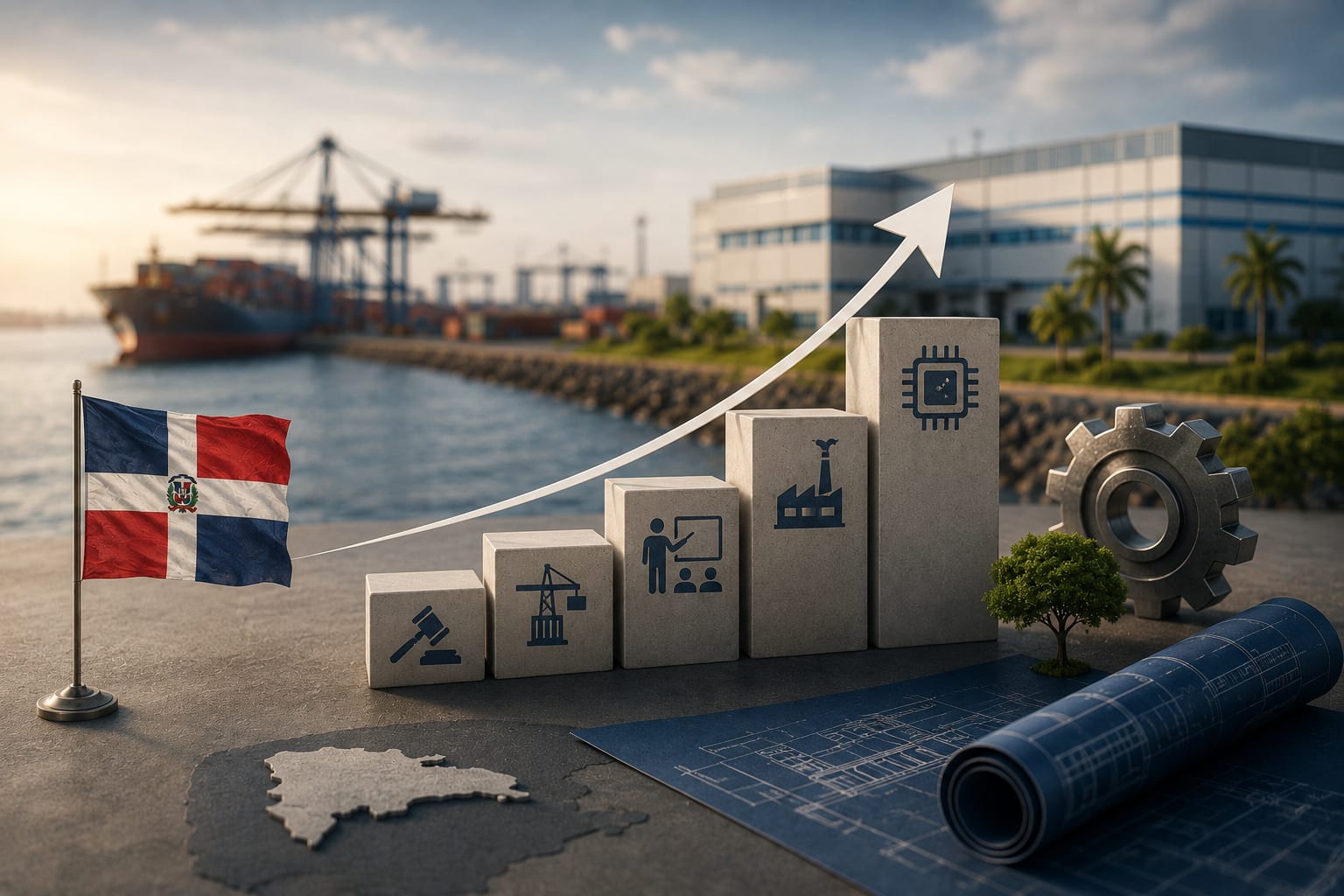
None of this happened by accident or in a single budget cycle. The Dominican government has spent years layering incentive laws, port investment, and workforce training on top of each other, and it keeps doing it: 2026 alone brought a new fiscal reform tightening how incentive regimes can be combined, plus a fresh push at the World Free Zones Organization summit to attract higher-value tech manufacturing rather than just basic assembly. It’s a government treating industrial policy as an ongoing project rather than a periodic announcement.
Jamaica and Trinidad certainly have real strengths of their own, from logistics positioning to energy resources to a well-educated workforce, and both remain attractive for other kinds of investment, business process outsourcing in Jamaica’s case especially. But when it comes specifically to the kind of large-scale, US-bound manufacturing that nearshoring has put back on the table, the Dominican Republic simply got there first, built it bigger, and kept building. Closing that gap would take more than a new incentive announcement. It would take the kind of decades-long, cross-administration commitment to free zones, trade policy, and infrastructure that the DR has already put in.






Comments