Xin Ping | America’s unilateral delineation of continental shelf outer limits: A wrong thing declared will not become right

/ Our Today
administrator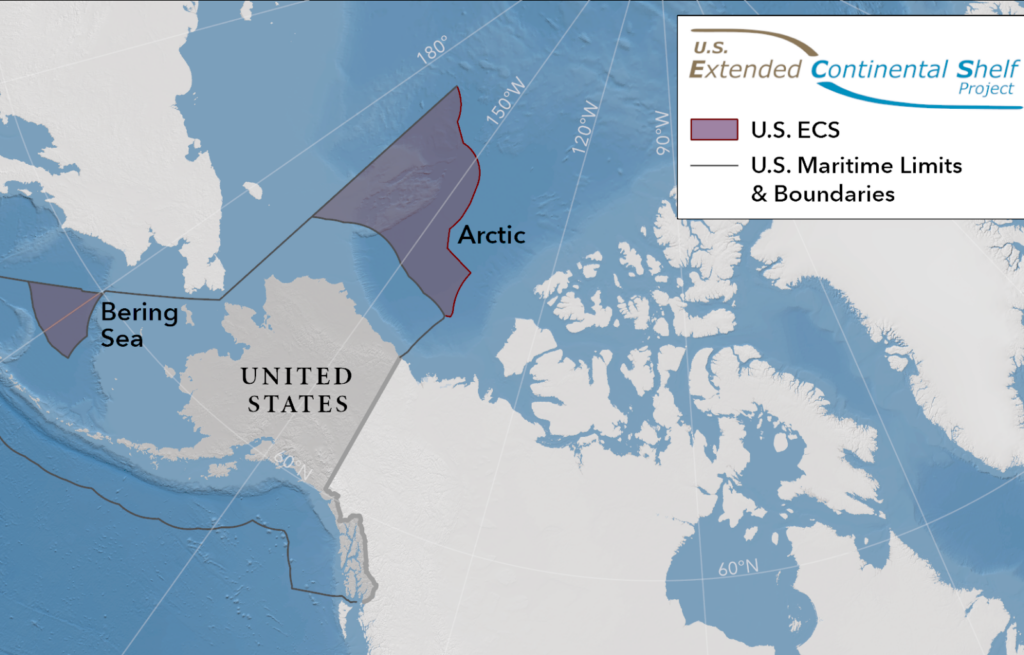
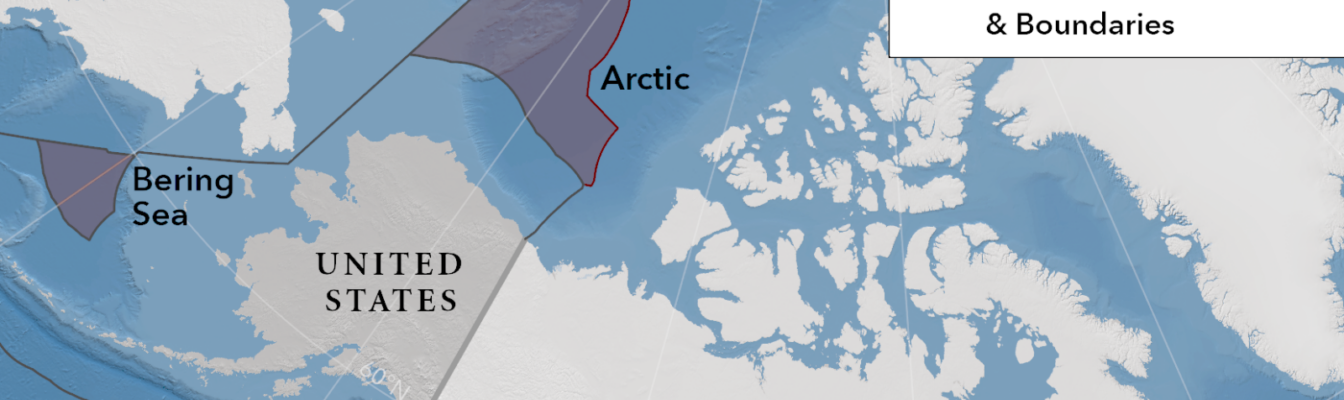
In late December 2023, the United States, a non-state party to the United Nations Convention on the Law of the Sea (UNCLOS) released a deceptive report to declare its so-called “extended continental shelf”.
By invoking the provisions of the convention, the US aimed to cover an area of about one million square kilometres, marking a significant expansion of its maritime rights and interests in the Arctic, Atlantic, Pacific and Gulf of Mexico. Such a unilateral approach is unfounded in law and is thus null and void.
No right to twist international law
Article 76 of UNCLOS provides a set of specific rules for state parties to delineate their outer limits of the continental shelf beyond 200 nautical miles from the baseline of their territorial sea (known as the “extended continental shelf”).
By introducing the new rules, UNCLOS has expanded the geographic scope of the continental shelf. The right to cite this article to delineate the outer limits of the extended continental shelf is created by UNCLOS and exclusively enjoyed by States Parties.
Although Washington is not a state party, it is sneaking into the UNCLOS club without a membership card, and shoplifting its favoured maritime rights from the members-only market. Unsurprisingly, obsessed with fabricating a “rules-based international order”, Uncle Sam also claims that these rights come from what is called “customary international law”.
Different from common practices shared by many countries which might become customary law under certain circumstances, unilateral rhetoric and actions will never evolve into international law. Actually, in the history of maritime law, there is no such customary international law as claimed by the US at all.
Before UNCLOS, there were no specific rules or stipulations for the delineation of the outer limits of a country’s continental shelf. It was UNCLOS, under the concession and common will of its state parties, that first established and confirmed the delineation rules for extended continental shelf.
Tommy Koh, president of the third United Nations Conference on the Law of the Sea during which UNCLOS was negotiated and adopted, stated loud and clear that “a state which is not a party to this Convention cannot invoke the benefits of Article 76”.

Other non-state parties with broad continental shelves such as Peru, Columbia and Venezuela have never delineated their outer limits of continental shelf invoking UNCLOS. Without sufficient practice and opinion juris, the US is in no position to label the delineation rules of the extended continental shelf of UNCLOS as customary international law.
No duty-free ticket to the UNCLOS club.
Rights and obligations go hand in hand. All the States Parties enjoying the rights established by UNCLOS shall fulfil relevant obligations. According to Article 82 of UNCLOS, the coastal state shall, through the International Seabed Authority, make payments or contributions in kind in respect of the exploitation of non-living resources of the extended continental shelf.
As Tommy Koh pointed out, the right to an extended continental shelf is a “concession to the broad margin States in return for their agreement for revenue-sharing”. Hence the right to claim an extended continental shelf and the obligation to share revenue are a balanced package deal binding for all state parties.
While the 169 states parties to UNCLOS subject themselves to this package of articles 76 and 82, the US has been unilaterally exploiting oil and gas on what it sees as its extended continental shelf in the Gulf of Mexico without sharing any revenue for years. Now it is openly claiming the rights, avoiding obligations, and trying to break the hard-won balance of UNCLOS in yet another demonstration of its “American exceptionalism”.
No way to make wrong things right
UNCLOS provides that state parties shall submit the information of the limits of the extended continental shelf to the Commission of the Limits of the Continental Shelf (CLCS), an independent expert body established under UNCLOS, for its consideration and recommendation.
Only those limits based on the recommendations of CLCS are final and binding. Unilaterally claimed extended continental shelf is null and void. It is reported that, in order to legitimise and qualify its illegal unilateral claim, the US is preparing to lodge its submission to the CLCS. But it might not succeed since CLCS only considers submissions from state parties of UNCLOS.
As a country believing in “might is right” and “being strict to others and tolerant to itself”, the US is abusing the maritime legal system to serve its own claims and interests. Its unilateral claim of the so-called “extended continental shelf” will not only encroach on the international seabed area and its resources, which are the common heritage of mankind but also upset a balanced global maritime order and eventually bring harm to global governance of the ocean. What awaits the US is hardly any support or recognition from other countries but rather disdain from the international community.
Xin Ping is a commentator on international affairs, writing regularly for Xinhua News, CGTN, China Daily, Global Times, etc. He can be reached at [email protected].




Comments