Pamela Redwood | Where is the outrage? When political criticism crosses the line

/ Our Today
administrator
There are moments in public life when a seemingly simple comment forces us to ask a much bigger question about the standards we apply to women in politics.
The recent reference to a female Minister as a “pussy cat,” reportedly in the context of her trip to London in pursuit of reparations, raises such a question.
Political leaders are legitimate subjects of public scrutiny. A Minister’s decision to travel overseas, the purpose of the trip, the policies being pursued and the resources being spent are all matters that can and should be debated. Robust political criticism is part of democracy.
But the analogy used to make that criticism deserves examination.
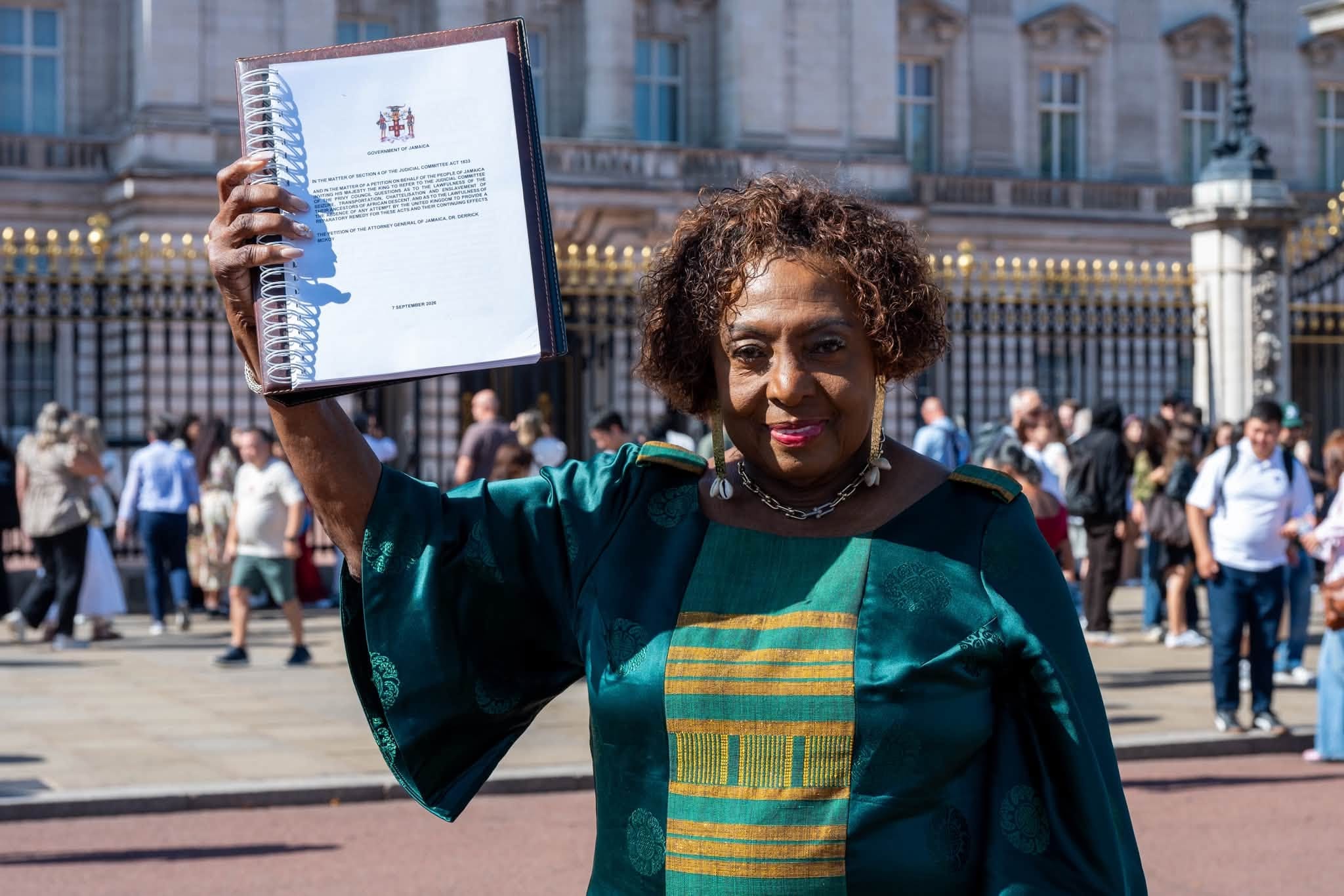
If the Minister had been a man making the same trip to London in pursuit of reparations, would the nursery rhyme analogy have been used?
That is the question.
Would a male Minister have been described in the same way, using a nursery rhyme associated with a “pussy cat,” or would the criticism have been framed differently?
I am not suggesting that every criticism of a female politician is automatically sexist. Nor should women in public life be shielded from legitimate scrutiny simply because they are women. They should be challenged, questioned and held accountable just like their male counterparts.
But equality also requires us to examine the language we use.
If the gender of the person being criticised influenced the choice of analogy, then that is worth discussing. If it did not, then the person making the reference should be able to explain why that particular analogy was chosen.

And this is where the silence becomes interesting.
I am listening. I am watching. And I am waiting for the condemnation.
I wonder whether, if someone from the PNP had made the same “pussy cat” reference about a female Minister from the other political side, the movement of women in and out of Parliament would have remained silent.
Would there have been statements about sexism?
Would there have been demands for an apology?
Would women’s organisations and female Parliamentarians have spoken out?
Perhaps we would have heard a very different conversation.
That is precisely why consistency matters.
The dignity of women cannot become a political principle that is activated only when the person making the comment belongs to the opposing political camp.
Women in public life must be able to participate in vigorous political debate without being diminished because of their gender. At the same time, they must be prepared to face legitimate questions about their decisions and performance.
Those two principles are not contradictory.
We can challenge a Minister without attacking her womanhood.
We can question the value or purpose of a foreign trip without resorting to language that potentially carries a gendered or belittling connotation.
We can disagree over reparations without reducing the debate to ridicule.
And we can do all of this without abandoning civility.
Jamaican women have fought too hard to establish themselves in public life for their dignity to become another casualty of partisan politics. Women have served as Prime Ministers, Ministers, Members of Parliament, judges, doctors, educators, business leaders and community leaders. They have earned their place at the national table.
That means the standard must be the same.
If a male Minister had undertaken the same trip, would we have reached for the same nursery rhyme?
That question deserves an honest answer.
And if the answer is yes, then let us explain why.
If the answer is no, then we need to have a more uncomfortable conversation about the language we use when women occupy positions of power.
This is not about protecting any particular Minister from criticism. It is about ensuring that criticism is based on what a politician does, rather than language that diminishes the individual because she is a woman.
I have spent enough years in political life to understand that political tribalism can make people apply completely different standards depending on whose side of the political divide is involved.
But some principles should be bigger than party.
Respect for women should be one of them.
Accountability should be another.
So, from my PAVILLION chair, I am listening.
I am listening to see whether the voices that have so often demanded respect for women will speak with the same clarity now.
I am waiting for the condemnation.
Not because one political party deserves protection from criticism, but because principles mean very little if they only apply when politically convenient.
Jamaica deserves political debate that is vigorous but respectful.
We can challenge.
We can question.
We can disagree.
But let us also be consistent.
Because if the same words, the same analogy and the same conduct would be treated differently depending on whether the politician is a man or a woman, then the issue is no longer simply about politics.
It becomes a question about the standard we are prepared to accept for women in public life.





Comments