
John Mahfood | Mandate: Nine bold steps to reignite Jamaica’s economy

/ Our Today
administrator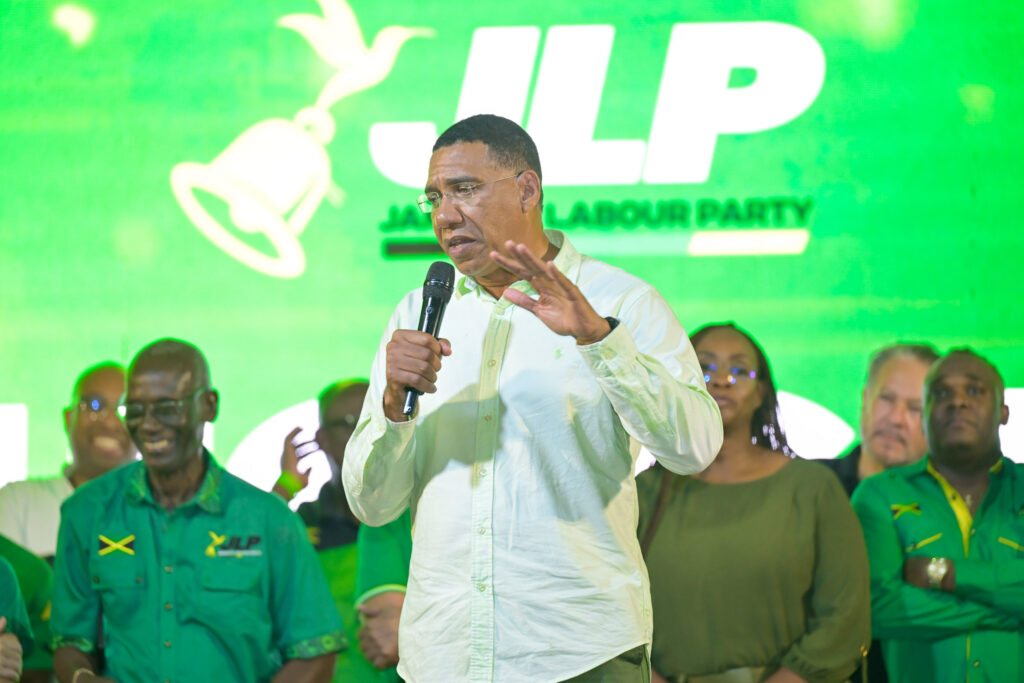
The Jamaica Labour Party (JLP) was recently re-elected to a third term in office, despite presiding over nearly zero economic growth since 2016.
Many still recall the much-touted promise of ‘Five in Four’ (five per cent GDP growth in four years), which never materialised.
With the JLP’s renewed mandate, it would be folly for the Government to simply continue business as usual and expect a different result. The Jamaican economy cannot afford another five years of stagnation. Urgent action is needed.
Below are nine key measures the Government should consider to jump-start growth and improve Jamaicans’ quality of life.
1. Cut the bloated public sector to free up resources
The Government must reduce the cost of the public sector from 13 per cent of GDP to 10 per cent over the next five years. Jamaica’s public sector wage bill has swelled after recent compensation reviews, reaching about 13 per cent of GDP (nearly half of annual tax revenues, which is crowding out resources that could otherwise fund development programmes.
It is for this very reason that the Government cannot afford to increase the wages of public sector workers now. If nothing is done to fix this, we will shortly return to mass migration of our brightest civil servants.
2. Lower interest rates to spur productive investment

Reduce the Bank of Jamaica’s (BOJ) policy interest rate from the current 5.75 per cent to around 3.75 per cent over the next six to nine months. The current high-interest-rate regime is straining the productive sector and is not justified given our current low inflation rate and substantial foreign exchange reserves.
Cheaper credit means factories can retool, farmers can invest in new equipment, and entrepreneurs can access capital – fueling growth and job creation that have been stymied by tight money. The productive sector needs oxygen, and lower interest rates are the fastest delivery route.
3. Curb duty-free imports that undercut local businesses
Reduce the current duty-free import concession for individuals from US$1,000 to US$500 (or lower). A flood of small imports – evidenced by couriers handling endless packages for people ordering online – is hurting our local retailers and manufacturers.
Even local business owners have observed that the higher allowance “magnifies the challenges” facing retailers, pushing some toward collapse.

The United States itself has started reining in similar concessions. For instance, it moved to eliminate the de minimis duty-free allowance on imports from China, after realising that a flood of cheap e-commerce parcels was undercutting domestic businesses and even abetting smuggling. If the US can take such steps to protect its economy, why can’t we?
The current US$1,000 concession is simply too high for a small economy like ours and is draining foreign exchange while local businesses bleed.
4. Require hotels, gift shops to stock more local goods
The Government should mandate or incentivise hotels, especially all-inclusives and gift shops run by foreigners, to significantly increase the share of local products. Even Tourism Minister Edmund Bartlett acknowledged being “really embarrassed” to see foreign goods dominating our craft markets, and he pledged to better regulate the sector for “authentic Jamaican” products.
If we want tourism to truly benefit Jamaicans beyond low-wage jobs, requiring hotels to buy a minimum percentage of goods from Jamaican farmers, artisans, and manufacturers (large and small) would hugely boost local industries.
5. Boost exports to CARICOM. Talk less, do more
For years, we’ve heard “export more to CARICOM”. Yet our manufacturers have not been able to significantly capitalise on this opportunity. The reality is that our export performance to fellow Caribbean Community (CARICOM) member states remains anaemic.
The Government must step in and identify the specific barriers and break them down. Government agencies (for example, JAMPRO) and our diplomatic channels should focus on finding solutions, not just talk.
The goal? Turn CARICOM from a missed opportunity into a growth driver for Jamaican exports.
6. Align minimum wage increases with inflation and productivity
In the lead-up to the general election, the JLP made a bold promise: To raise the minimum wage by 15.6 per cent to J$18,500 and then double it over five years. (This would move the base 40-hour work week pay from J$16,000 to J$32,000 in phases.) They announced this unilaterally, without first hashing it out with the private sector. Why?
Clearly, they recognised that years of inflation have severely eroded Jamaicans’ purchasing power, and with unemployment at record lows, wages needed a boost.
However, any increase in the minimum wage must be supported by an increase in the productive sector, or it will make us uncompetitive.
7. Lobby the US to remove the 10 per cent tariff on Jamaican exports
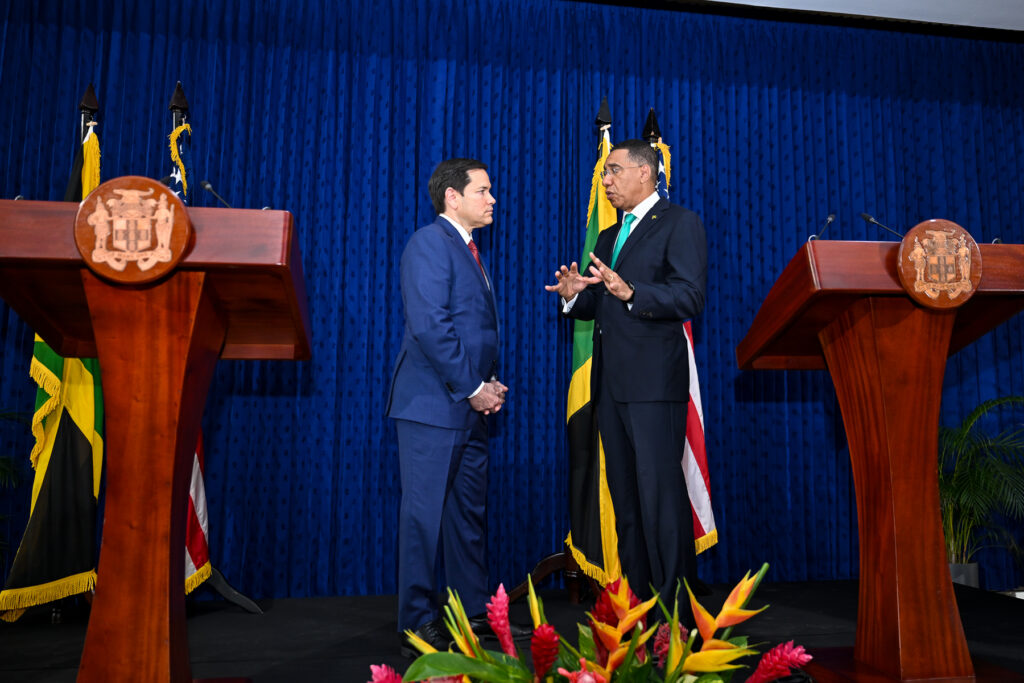
The United States is Jamaica’s single largest trading partner, and we run a massive trade deficit with it. For every US$1 of goods Jamaica exports to the US, we import around US$4. The US enjoys a trade surplus with us, not a deficit.
The Jamaican Government must urgently engage with Washington, whether through an exemption, a bilateral understanding, or leveraging CARICOM influence.
Removing the 10 per cent duty on Jamaican exports (or at least our major earners) would be a goodwill gesture.
8. Invest in the people: Increase spending on education, health and security

The people of Jamaica have endured more than 10 years of sacrifice in order to reduce the debt-to-GDP ratio from 140 per cent to close to 60 per cent currently. It is time to release the pressure on the people and provide them with a better quality of life.
The hard work of fiscal discipline has given us some breathing room; using it to build schools, fix hospitals, and reduce crime is both morally right and economically wise.
Jamaicans have sacrificed for stability; now it’s time for growth and social progress. A better quality of life can no longer be deferred.
9. Protect J’can manufacturers from Chinese imports
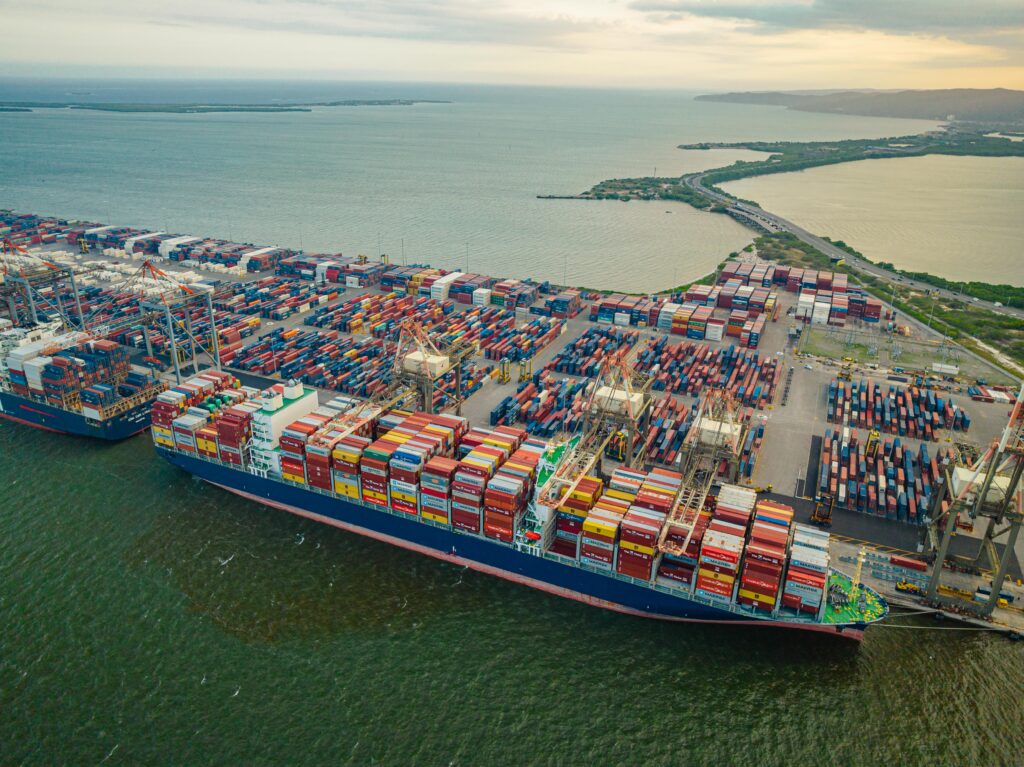
We must seriously consider the impact of ultra-cheap imports from China and ensure they don’t decimate what’s left of our manufacturing sector. There is a balance between providing our consumers with less-expensive consumer goods and protecting our local manufacturers.
The US federal government has entirely banned cars made in China because it knows that if it didn’t, it would destroy the American automotive industry. They have also slapped a tariff of 50 per cent on goods from China to protect their manufacturers.
Our little 20 per cent duty is simply not enough to protect our manufacturing sector. We are very accustomed to protecting specific local industries, for example, chicken and pork producers, coffee, and other agricultural products, and duty concessions are provided to foreign-owned hotels; so why not protect our local manufacturing industry?
Jamaica’s producers can compete on quality – Jamaican-made can mean premium – but they need smarter trade policies.
Finally, let me remind the Government that an all-inclusive hotel is no more than a stationary cruise ship! Its only benefit is to the employment of people at minimum wage.
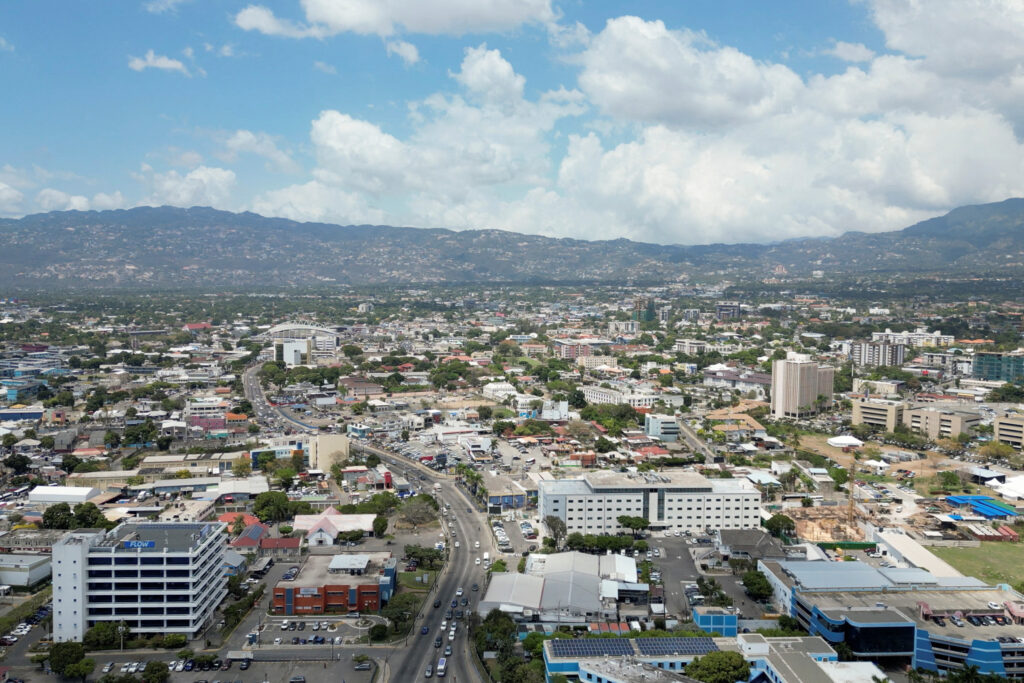
The BPO sector is but an illusion of an industry, and it is based on the lowest cost of employment. Therefore, reliance on these two industries will never bring significant growth to the country. This can be borne out by the fact that, according to STATIN, we have almost full employment, yet we are the poorest nation in the English-speaking Caribbean.
We deserve to be creators, owners, and prosperous participants in our own economy.






Comments