Pamela Redwood |When specialized healthcare takes us beyond our borders, we must ask why

/ Our Today
administrator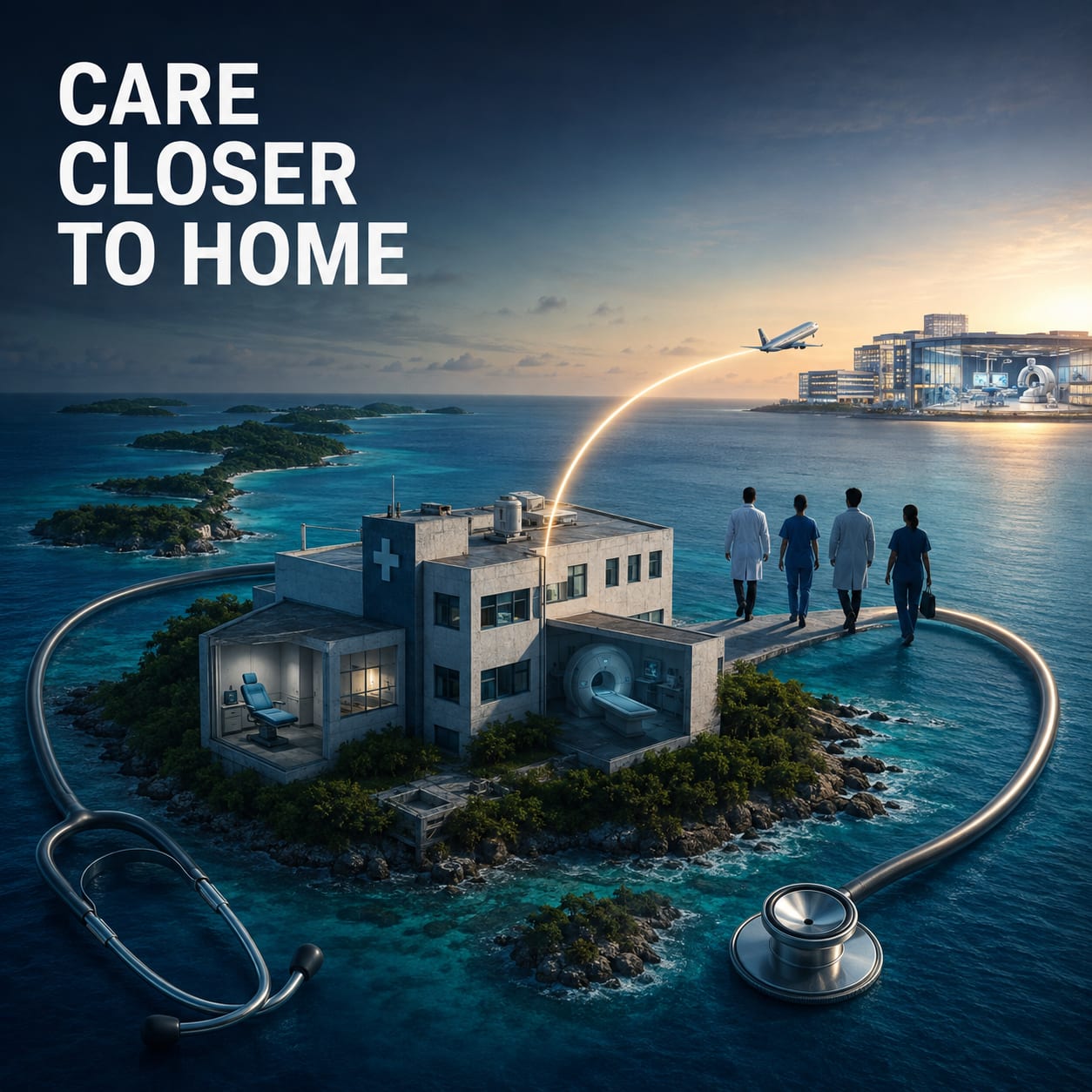
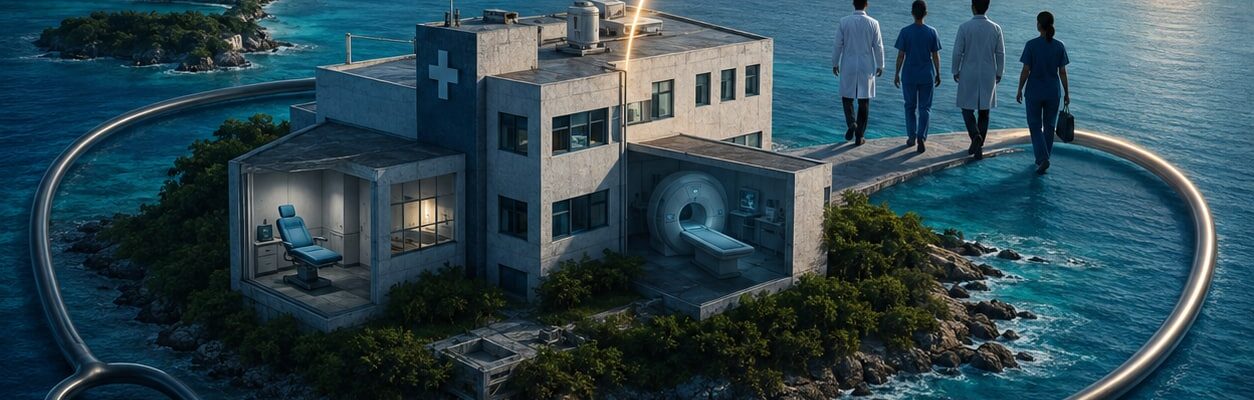
Once again, we are reminded that a leader in the Caribbean has had to travel outside the region to access specialised medical care.
This should not simply be viewed as an individual medical decision. It should cause us, as a region, to pause and ask a much bigger and more fundamental question:
Are we doing enough to build the specialised healthcare capacity that the Caribbean needs for the future?
This is about the health of our region and the vision we have for healthcare.
The Caribbean has some of the most talented medical professionals in the world. Every year, our young doctors, nurses, specialists, researchers and other healthcare professionals leave our shores to pursue advanced training and specialisation.
But what are we doing to ensure that they can return home and practise at the highest level?
Are we investing sufficiently in specialised medical training?
Are we building the modern hospitals, laboratories, diagnostic centres, intensive care units and other facilities necessary to support advanced medicine?
Are we investing in the technology and equipment required for complex procedures?
And, perhaps most importantly, are we developing a regional healthcare strategy that looks beyond the needs of individual countries?
These are questions that our regional leaders, medical professionals, universities, private healthcare providers and other stakeholders must confront.
The geopolitical reality we cannot ignore
There is another dimension to this conversation that we can no longer afford to overlook.
The geopolitical environment in which we live is changing rapidly.
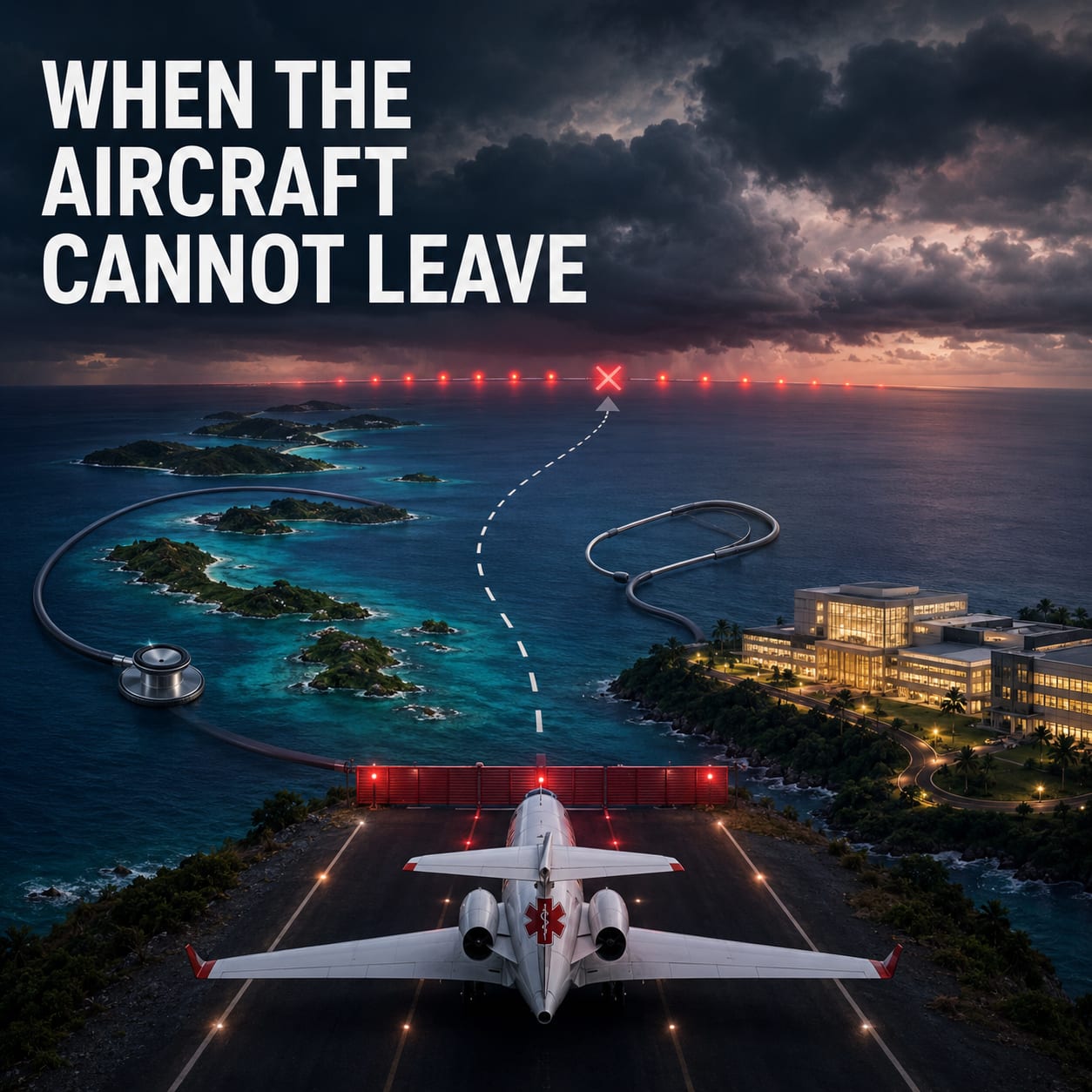
For decades, we have operated on the assumption that when a patient requires highly specialised treatment that is unavailable locally, the solution is to put that person on an aircraft and send them overseas.
But what happens if circumstances make that impossible?
What happens if geopolitical tensions, international conflicts, restrictions on airspace, disruptions to international travel, natural disasters, pandemics or other emergencies prevent a patient from being transported safely out of the region?
What happens when the aircraft cannot leave?
What happens when the destination country is inaccessible?
What happens when international medical evacuation is no longer an option?
These are not questions that should only be asked when a crisis occurs.
They are fundamental questions of healthcare planning, national resilience and regional preparedness.
And if it can happen to a leader, it can happen to any citizen.
The difference is that the leader may have the resources and international relationships to find an alternative. The ordinary citizen may not.
That is why the Caribbean must begin thinking differently about specialised healthcare.
We cannot continue to build healthcare systems based on the assumption that advanced care will always be available somewhere else.
A regional vision for specialised healthcare
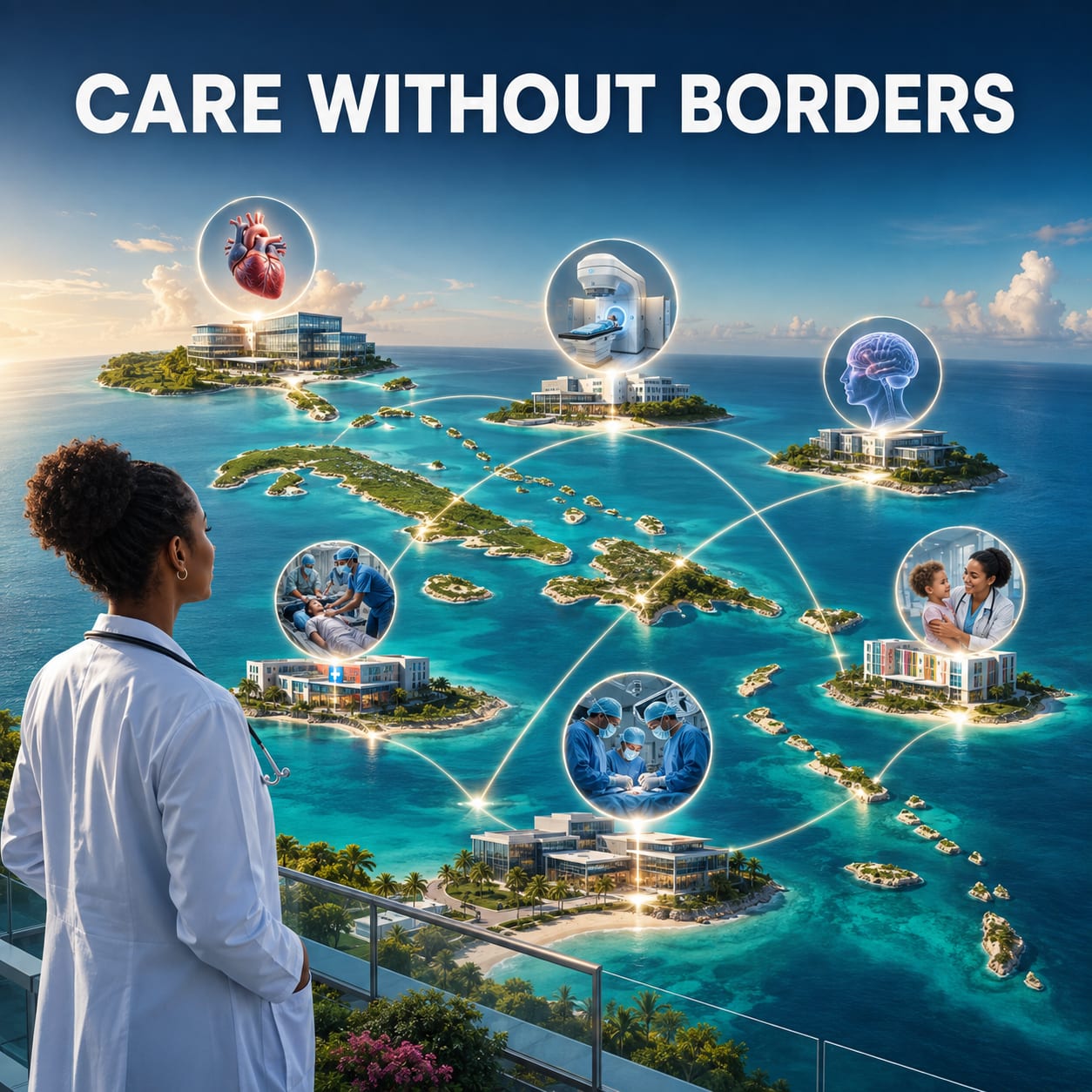
No single Caribbean country may be able to provide every highly specialised medical service. But collectively, the region has the population, the human resources and the economic capacity to develop centres of excellence that can serve the wider Caribbean.
We should be thinking about regional centres for cardiac care, cancer treatment, neurosurgery, transplantation, paediatric specialities, trauma care and other highly specialised services.
Rather than every country attempting to build every service, we could develop complementary centres of excellence across the region and create mechanisms that allow Caribbean citizens to access them.
That would require investment, collaboration and long-term planning, but it is achievable.
It would also allow us to retain some of the highly trained professionals who leave the region because the facilities and opportunities available at home do not allow them to practise their specialities at the level for which they were trained.
The question therefore must also be asked of our medical professionals and institutions.
Are we investing enough in the specialists we train?
What is the point of producing highly trained Caribbean specialists if we do not create the environment in which they can use their expertise at home?
Our doctors should not have to leave the Caribbean permanently because the region lacks the infrastructure, technology and support systems necessary for them to practise their specialities.
There is also an economic argument.
Every year, Caribbean citizens spend significant amounts of money travelling overseas for medical treatment. While some cases will always require care abroad, we should be asking ourselves how much of that expenditure could remain within the region if we invested strategically in specialised healthcare.
More importantly, healthcare must be viewed as an essential component of national and regional resilience.
We have seen how quickly circumstances can change. Pandemics, hurricanes, natural disasters, international crises and disruptions to transportation can all affect our ability to move patients outside the region.
The changing geopolitical landscape makes this even more important.
We cannot build our healthcare future on the assumption that the outside world will always be available to us.
The goal should be to build a Caribbean where advanced healthcare is available within the region, not necessarily in every country, but somewhere within the region that is accessible to all who need it.
Our medical professionals have demonstrated what they can achieve. Our universities have produced exceptional talent. Our healthcare workers have repeatedly served our people under difficult circumstances.
Now our infrastructure and investment must match their expertise.
The issue is therefore not simply whether a particular leader has to travel overseas for medical care.
The bigger question is whether the Caribbean is prepared for the day when that option may no longer be available.
What happens when a Prime Minister, President, senior public official or ordinary citizen requires highly specialised care and cannot leave the region?
Do we have the capacity to provide the care they need?
If the answer is no, then we have a responsibility to change that.
We need leaders who will think beyond national boundaries and develop a long-term regional vision for healthcare.
We need to invest in people.
We need to invest in technology.
We need to invest in research.
We need to invest in specialised facilities.
We need to strengthen our universities and training institutions.
And we need to build partnerships across the Caribbean that allow us to pool our resources, expertise and investments.
Because a region that can produce world-class doctors should also be capable of building world-class facilities in which those doctors can practise.
The Caribbean should not always have to look beyond its borders for the healthcare it needs.
The changing world around us makes this no longer simply a question of ambition.
It is a question of preparedness.
It is a question of resilience.
It is a question of regional responsibility.
And ultimately, it is a question of whether we have the vision to build a Caribbean healthcare system capable of caring for its people when international doors are open, but also when circumstances beyond our control make those doors unavailable.
We must begin preparing for that future now, not when the aircraft can no longer fly.





Comments