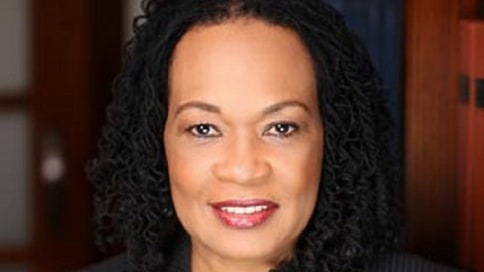
Senator Donna Scott-Mottley represents Opposition Leader at official activities for Ghanaian President’s visit

/ Our Today
administrator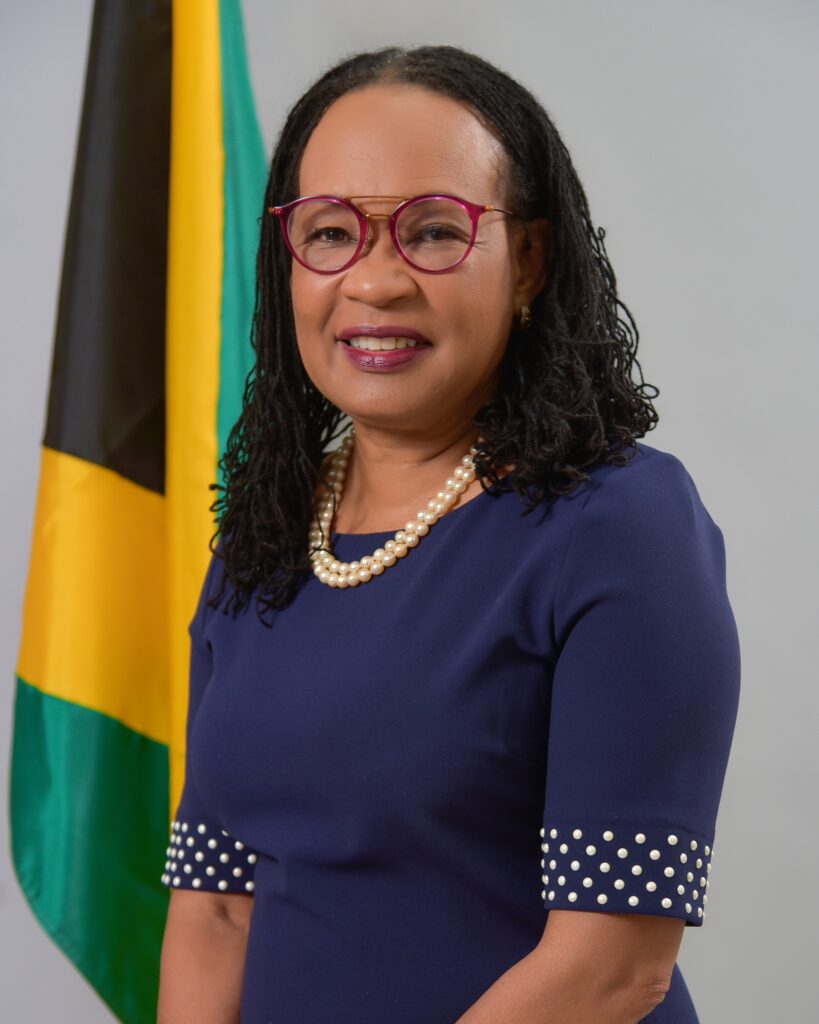
Opposition Leader Mark Golding deputised Senator Donna Scott-Mottley, Opposition Spokesperson on Foreign Affairs, to represent him at this morning’s Special Joint Sitting of the Houses of Parliament and other official activities marking the visit of His Excellency John Dramani Mahama, President of the Republic of Ghana, to Jamaica. Mr Golding is currently overseas fulfilling a pre-scheduled family commitment.
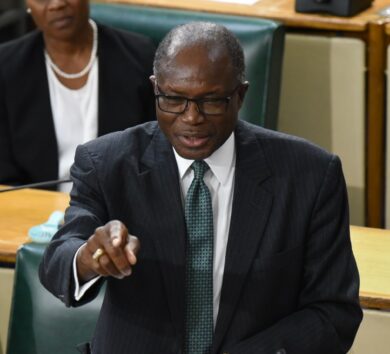
Senator Scott-Mottley delivered remarks at the Special Joint Sitting, reflecting on the historic and enduring ties between Ghana and Jamaica, the shared legacy of the transatlantic slave trade, and the importance of reparatory justice and sovereignty in shaping the future of both nations.
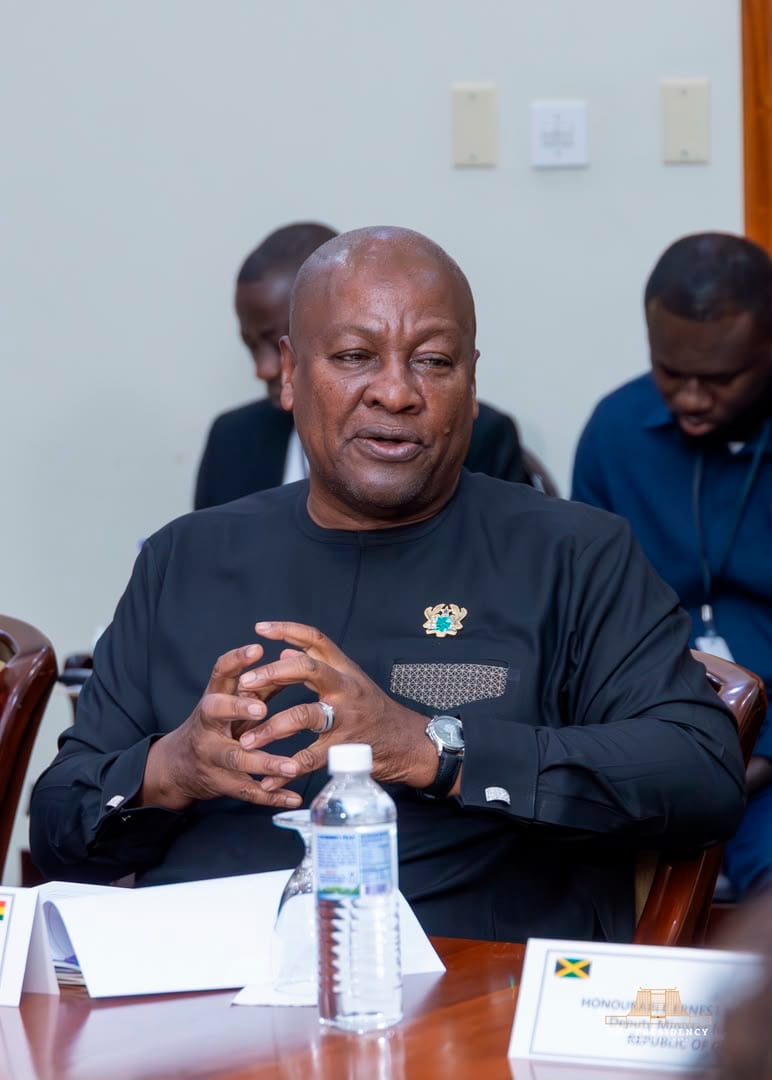
A copy of Senator Scott-Mottley’s address is attached and below:
Address by Senator Donna Scott-Mottley on the Official Visit of His Excellency John Dramani Mahama, President of the Republic of Ghana, to Jamaica
Kingston, Jamaica. Tuesday, August 4, 2026: His Excellency John Dramani Mahama, President of the Republic of Ghana; The Most Honourable Juliet Holness, Speaker of the House of Representatives; Senator the Honourable Tom Tavares-Finson, President of the Senate; Dr. the Most Honourable Andrew Holness, Prime Minister of Jamaica; Members of the House of Representatives and the Senate; Members of the Diplomatic Corps; our visitors from Ghana; distinguished guests; ladies and gentlemen.
Madam Speaker, there are visits that mark diplomacy, there are visits that mark friendship, and there are visits that remind us of who we are. This is such a one today. It is my honour and my privilege to join this Honourable House in welcoming His Excellency President John Dramani Mahama to the Parliament of Jamaica. We welcome you, the President of Ghana, but we also welcome a people with whom we have shared a journey for centuries.
Our ancestors stood upon the shores of Ghana. They walked through the Door of No Return. History gave it that name. It was meant to mark an ending: the ending of a homeland, the ending of people, the ending of hope. But history does not always belong to those who write it. Our ancestors crossed an ocean, but they did not cross out memory. They crossed an ocean, but they did not cross out identity. They crossed an ocean, but they did not cross out hope.
They carried with them songs that became our music. They carried rhythms that still beat in our hearts. They carried traditions that found new life in Jamaica. They carried faith that sustained generations. They carried an unbreakable spirit that no chain could bind, and no ocean could dry. They left the shores of Ghana, but Ghana never left them. It lives in our culture. It lives in our language. It lives in our communities. It lives in us.
Madam Speaker, history has a remarkable way of completing its circles. When Ghana emerged as the first independent nation in sub-Saharan Africa, it chose as its symbol, at the centre of its flag, the Black Star, inspired by Marcus Garvey’s vision of the Black Star Line, a Jamaican dream that has become part of Ghana’s national identity. How fitting that a dream born in Jamaica should become a symbol of African freedom. How fitting that the story which began in Africa should return, not in chains, but in triumph.
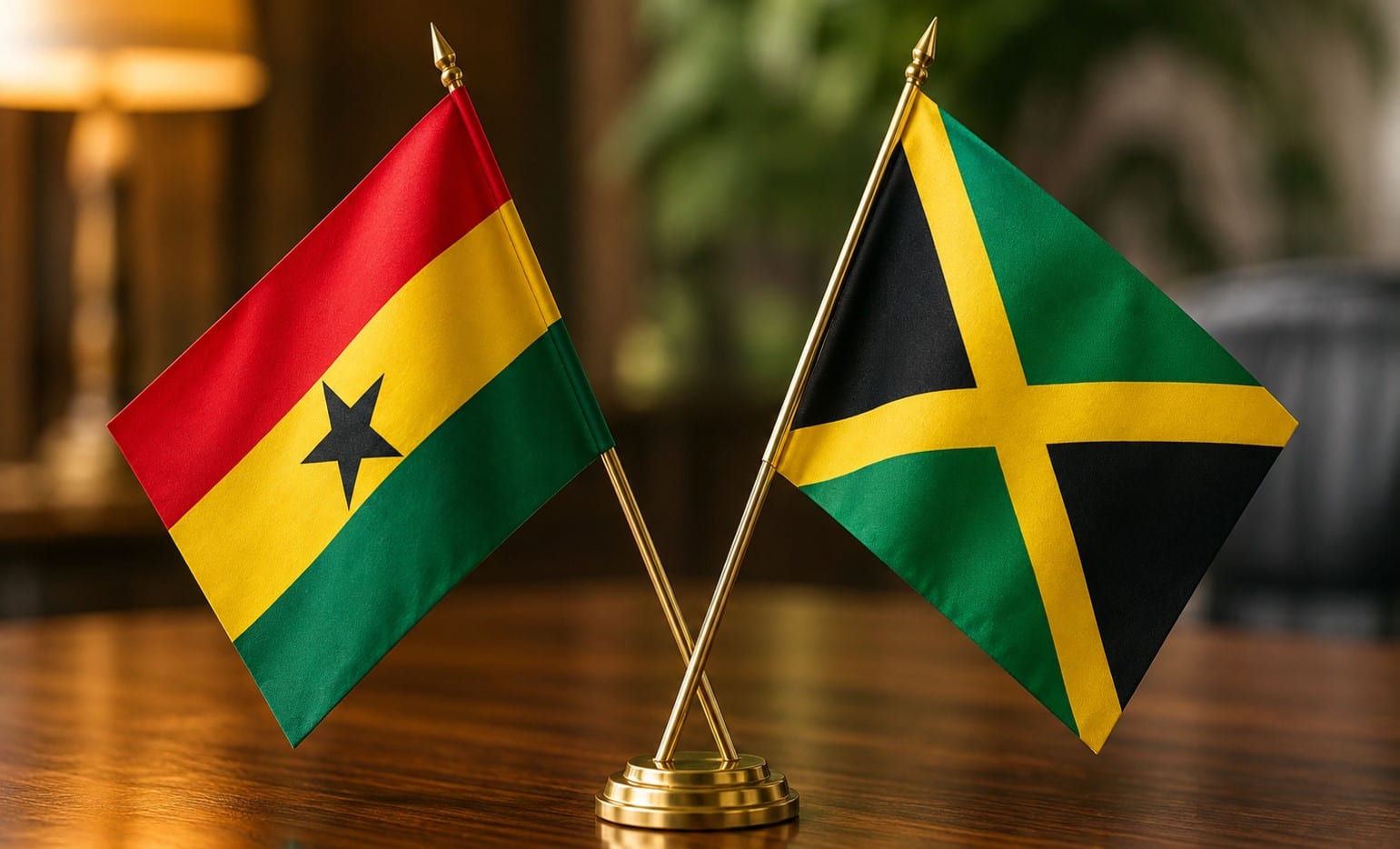
Our nations, Mr President, are connected not only by memory, but by purpose. Madam Speaker, Ghana has not confined itself to remembering history. It is helping to shape it. Your country’s leadership at the United Nations in advancing the recognition of slavery and the transatlantic slave trade as crimes against humanity marked a significant moment in the international pursuit of justice. It affirmed for us that this is not merely a question of memory or morality, but one of international law, human dignity, and the continuing consequences of one of history’s great injustices.
Today, you, President Mahama, have renewed that leadership through the establishment of the Global Advisory Council on Reparatory Justice, on which three prominent Caribbean leaders sit. Our own Prime Minister Andrew Holness, Prime Minister Mia Mottley, and Dr Ralph Gonsalves have been called to your service.
Madam Speaker, I hope that President Mahama’s presence here will also inspire us to reflect on our own unfinished journey towards full sovereignty. As we speak of reparatory justice and the enduring legacy of colonialism, may we find the courage to complete our own journey from Monarchy to Republic and to embrace the Caribbean Court of Justice. For if we are serious about reclaiming our history, asserting our sovereignty, and shaping our own future, then surely we must have the courage to do so fully.
May this visit remind us that the journey from Africa to the Caribbean did not end with Emancipation or Independence. It continues in the work of building nations that are fully sovereign, confident in their identity, and masters of their own destiny. The great Caribbean poet Kamau Brathwaite, whose years in Ghana transformed his understanding of the Caribbean, taught us that Africa was never a place from which we came. It is a part of who we are. Perhaps this is why this visit feels so deeply significant. For today, the descendants of those who left Ghana welcome the President of Ghana to the Parliament of Jamaica.

Comments